

Let us start with an anecdote from my +2 college friend's elder brother's wedding. Since they did not have many relatives in Kathmandu and the family wished to make the wedding look grand, we were compelled to join as wedding procession guests (janti). Because four or five people would make the procession look sparse, my friend requested me to bring two to five other friends as well, so that the number of guests would appear larger. I searched for friends, invited a few, and thus around 50 to 60 of us gathered and went as the wedding procession.
Upon arriving at the bride's house, we sat for a while, but there was some delay in serving food. Due to technical reasons, the time for the groom to apply vermilion (sindoor) to the bride and the time for serving food happened to coincide. Thinking that we could both enjoy the feast and watch the vermilion ceremony, and feeling a bit hungry, I and about 5 to 7 friends went outside to have coffee. Coincidentally, while we were outside, both the feast and the vermilion ceremony ended at the same time.
Then the dispute began. Our team of seven missed both seeing the vermilion ceremony and eating at the feast. We raised our voices, and the dispute escalated. The bride's father happened to be a retired soldier. We organized a sort of protest—declaring that without eating the feast and watching the vermilion ceremony, we would not recognize the marriage. We even submitted an application to the ward chairman not to register the marriage, but no matter how much we protested, it was of no use; the marriage was registered, and the wedding was completed. Ultimately, we realized that continuing the dispute was foolishness, so we stayed quiet.
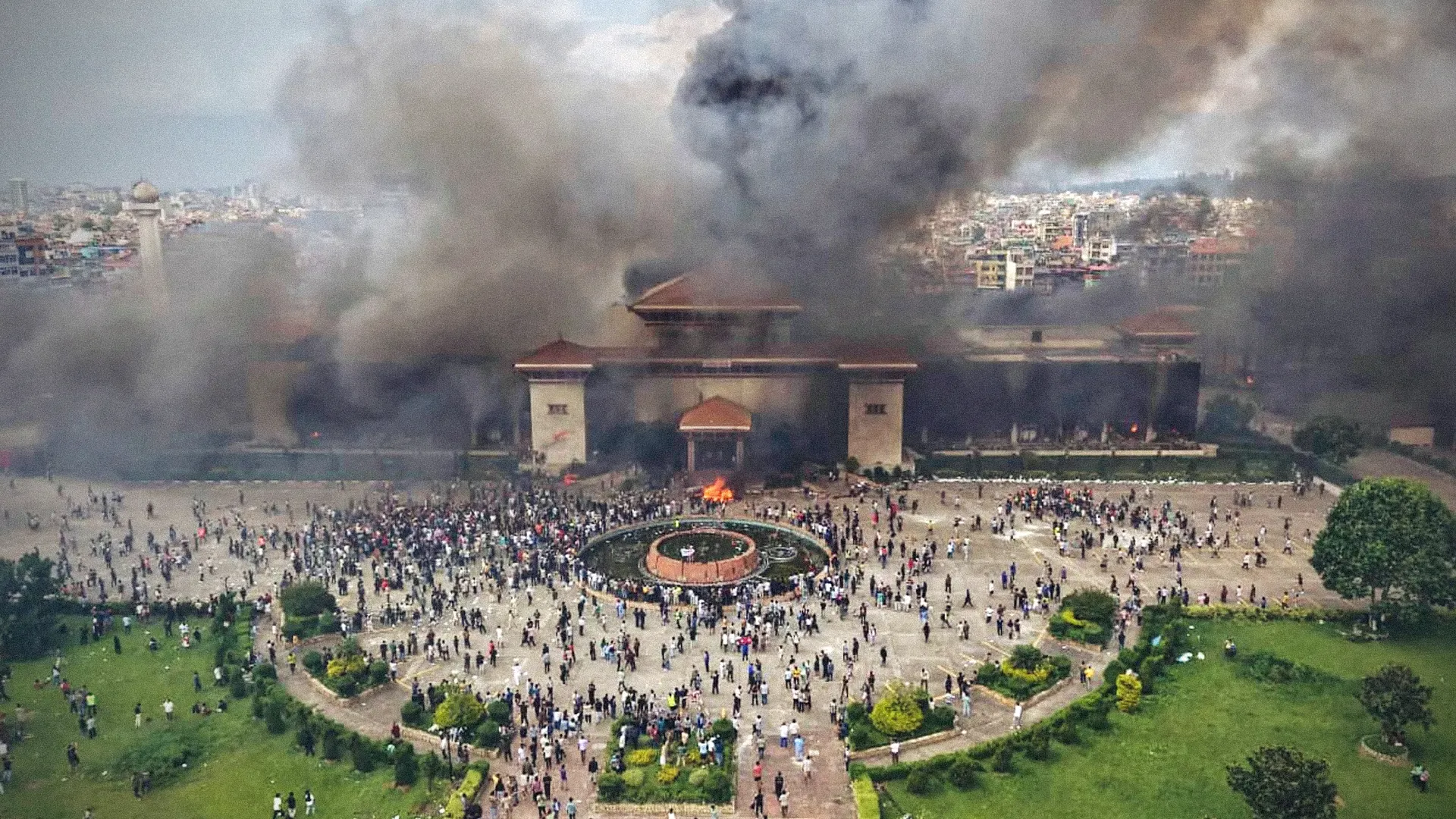
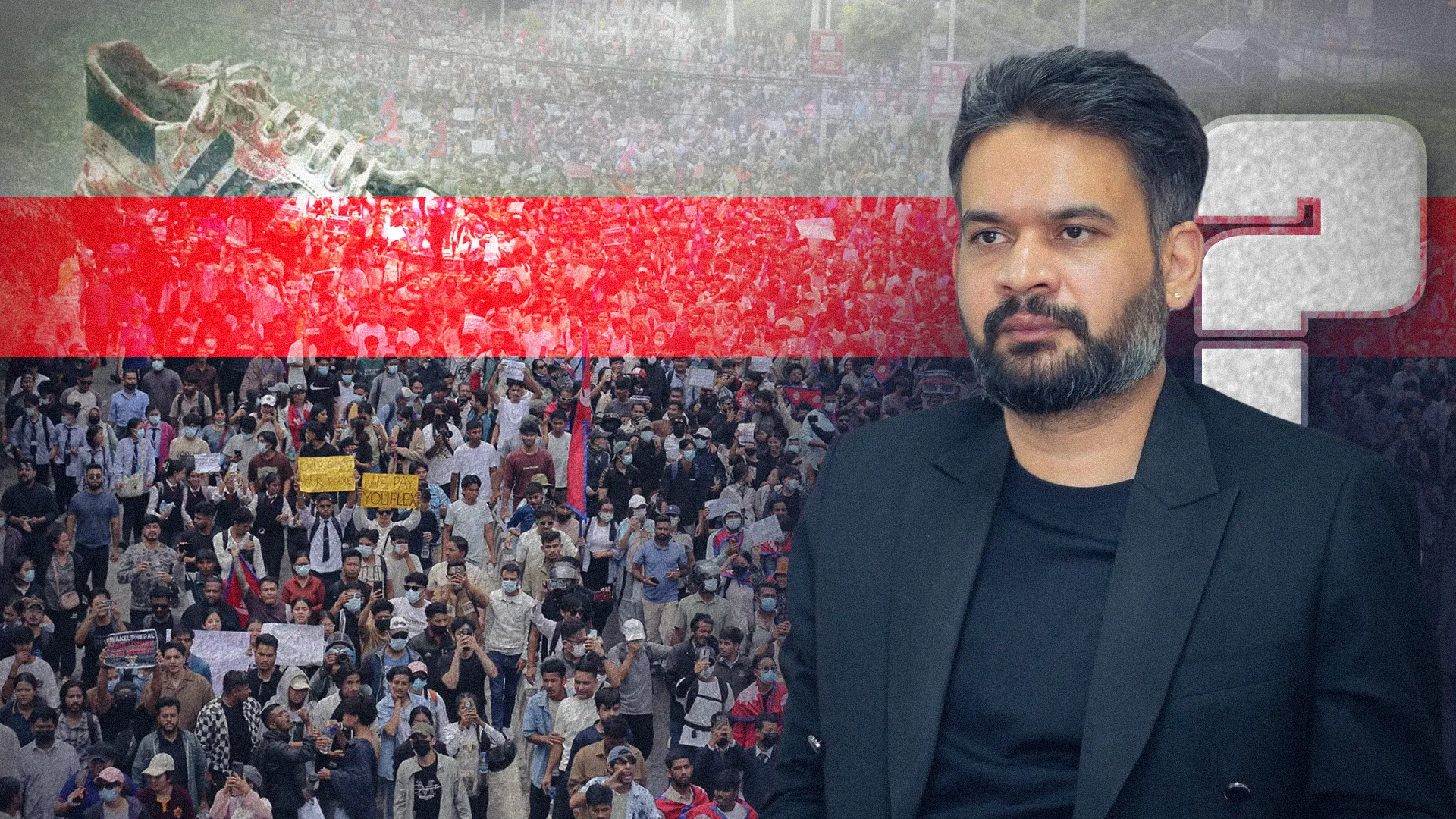
Observing the nature and reality of the 'Gen-Z movement' that took place a year ago reveals a remarkably similar situation. In the initial stage of the movement, Gen-Z youth stood at the forefront just as we went as wedding guests. They were coaxed and invited like procession guests to participate in the movement. They feel that this major political uprising occurred because of Gen-Z, just as we felt that the wedding was completed because of us. But as a result, neither did they gain direct political access or power, nor were their demands addressed; just as our demands were not addressed.
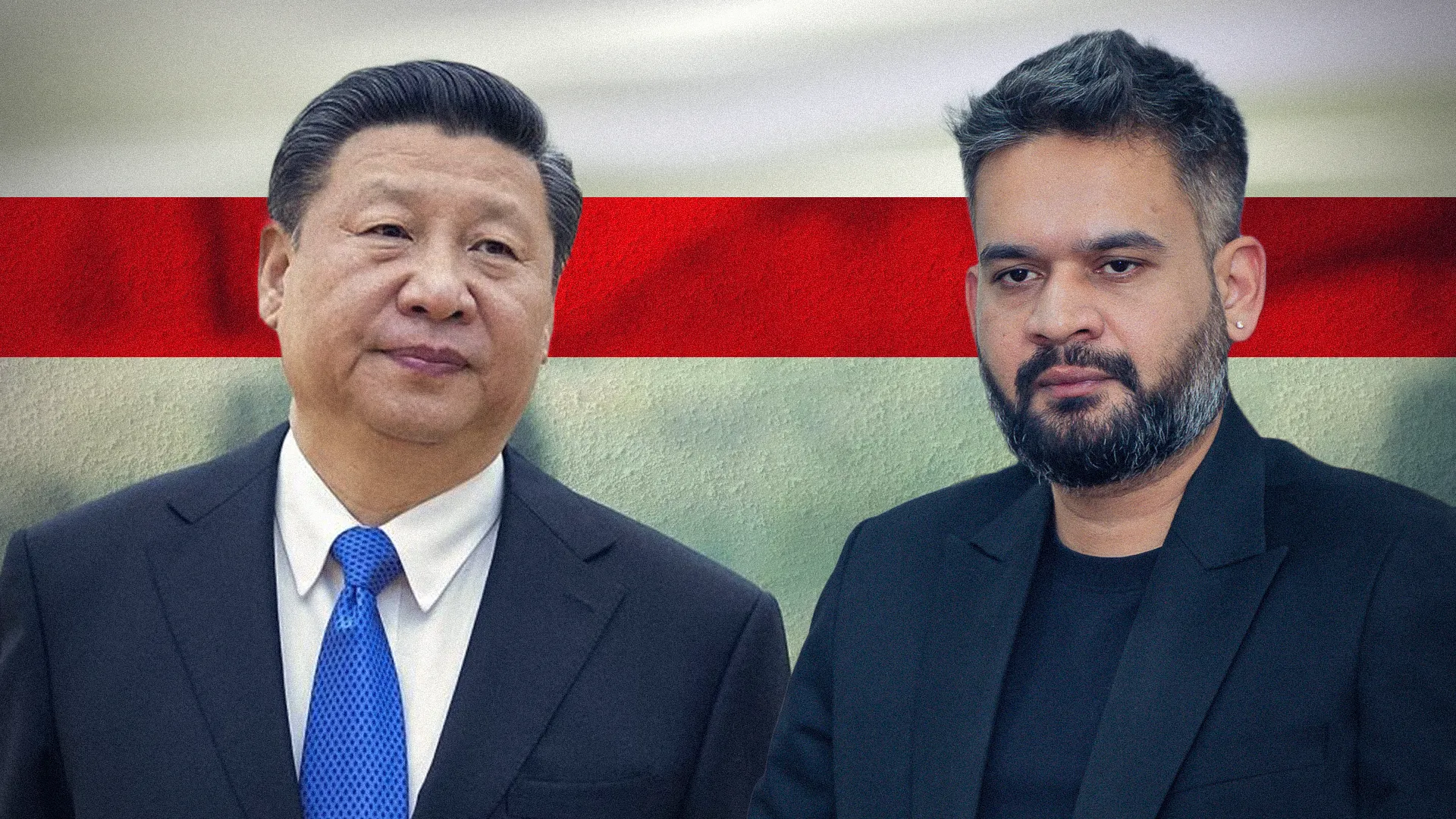
We chose the path of staying quiet after understanding the limits of our boundaries in time, but the protesting youth still seem yet to fully understand this realistic ground. They are still asking—why did Prime Minister Balendra Shah not come to the Gen-Z program or why did he never visit the injured? Meanwhile, some ministers of the government were seen attending Gen-Z programs.

Interested in this ad?
Would you like to continue to the link or provide your information for more details?
Please provide your information
To continue, please fill in your details
This context is similar to how, to satisfy us friends who were angry about missing the vermilion ceremony and feast, the groom's brother (my friend) later invited all dissatisfied friends to his nephew's rice-feeding ceremony and his brother's wedding anniversary. Among those invited, some went, while others did not; I myself did not go as I had to leave for Pokhara. The attendance of some government ministers at Gen-Z programs is merely a formal effort to appease and reassure those who are dissatisfied.
Therefore, it is imperative for Gen-Z to move beyond this emotional loop of the movement and understand the realistic ground and political process. In the post-movement situation, it is necessary for protesting Gen-Z youth and the injured to realistically consider their political and social future and move forward.
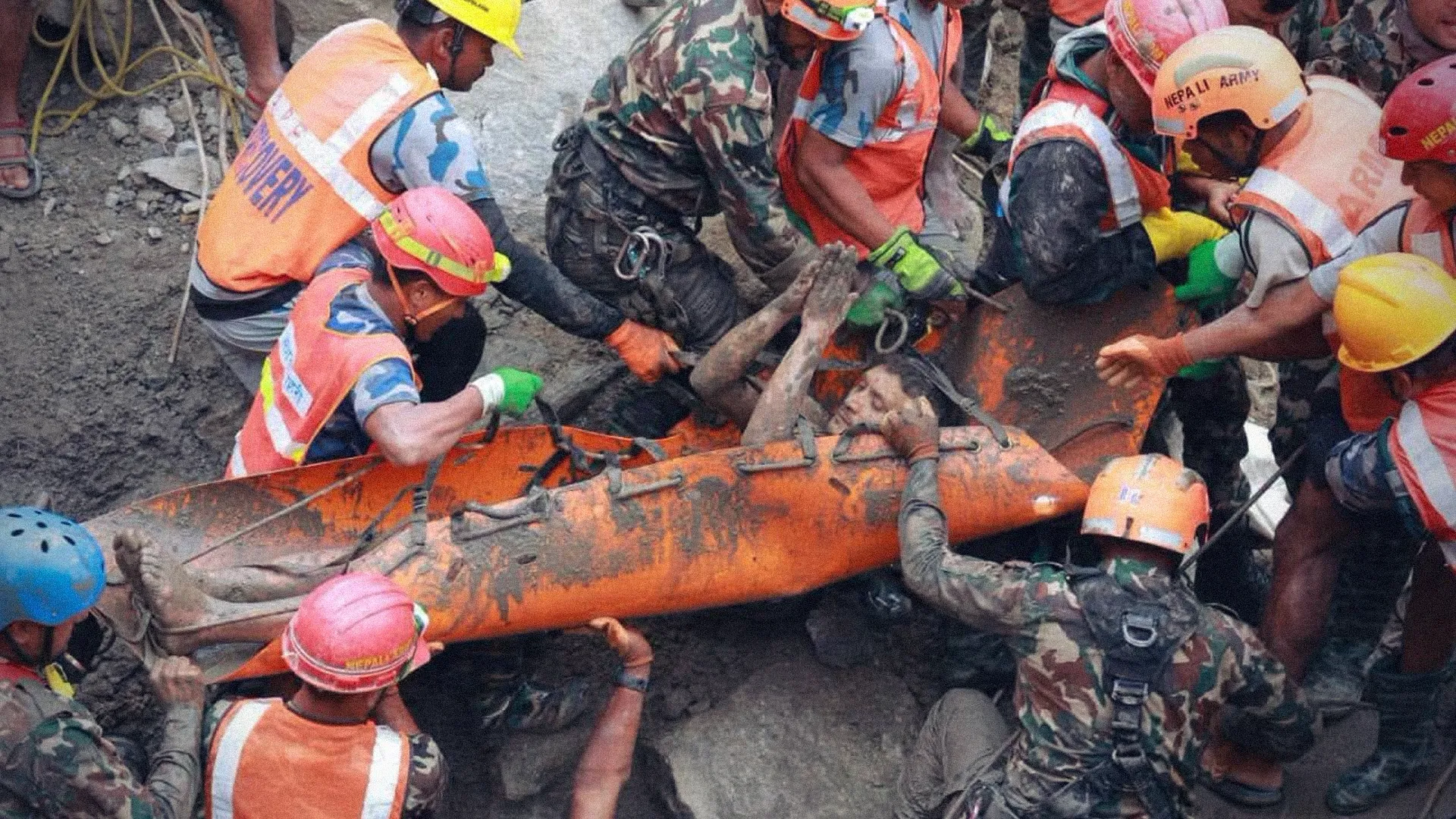
We pay heartfelt tributes to all the deceased who lost their lives during the movement and express our deep condolences to the bereaved family members. Likewise, we wish a speedy recovery to all citizens injured in the movement and express sincere sympathy for the physical and mental pain they have suffered.
Editorial Note: To maintain the moral balance and credibility of this article, we wish to clarify that no personal anecdote or comparison can fully encompass the gravity of human loss and sacrifice. The comparison presented here should only be taken as an illustration to clarify political dynamics and reality, not with the intention of downplaying the contributions or sacrifices of those involved in the movement.