


A major diplomatic effort is taking shape in Kathmandu as Nepal and India lay the groundwork for Prime Minister Balendra Shah’s upcoming maiden official visit to New Delhi, proposed for November 23 and 24. According to reporting by national news agency RSS, the high-profile trip aims to inject fresh momentum into bilateral ties spanning infrastructure, energy, and cross-border connectivity, though formal confirmation of the dates remains pending.
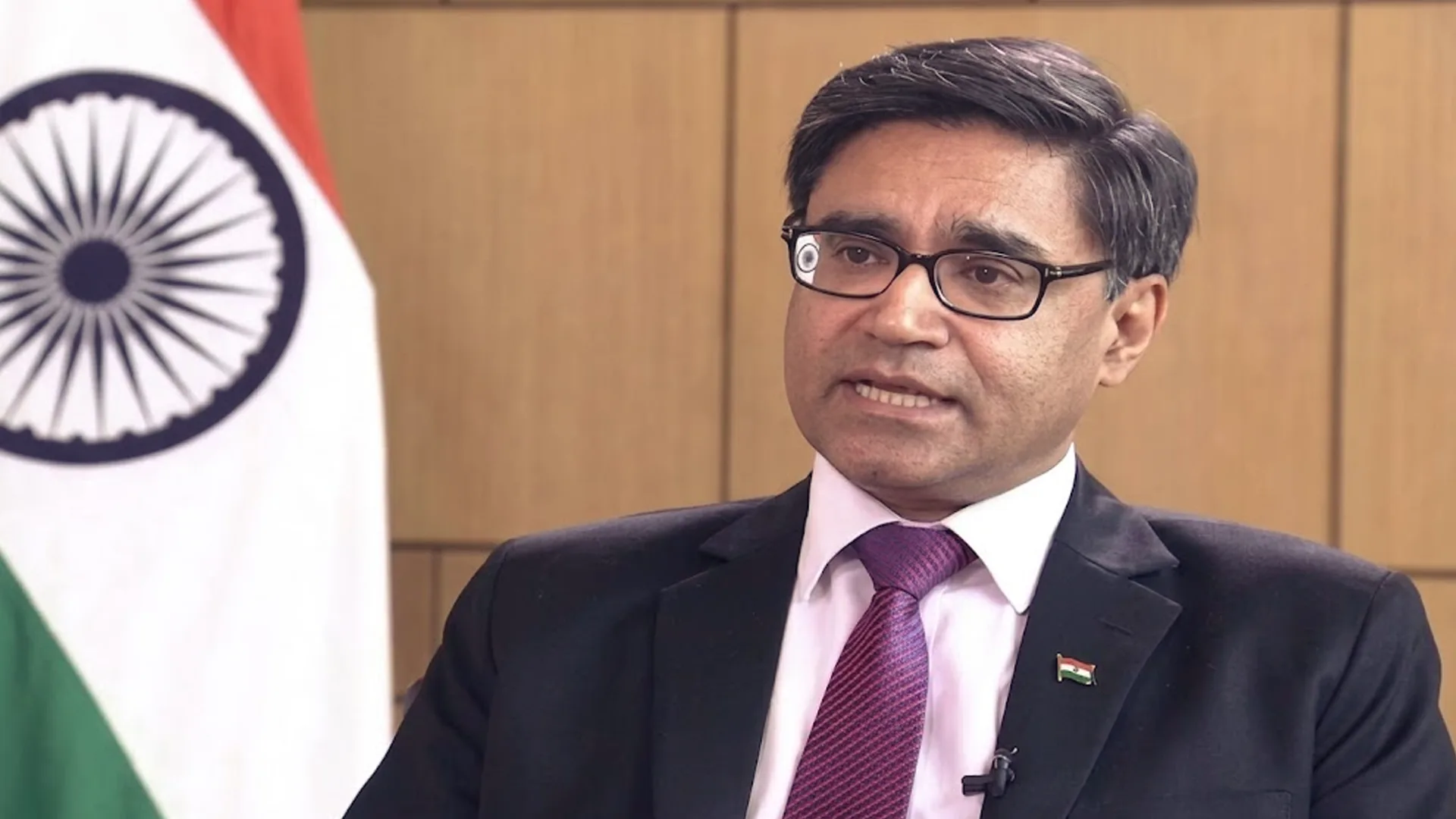
Catalyzing these preparations, Indian Foreign Secretary Vikram Misri is set to conduct a two-day official visit to the Nepali capital on November 4 and 5. His visit focuses on shaping the summit’s agenda, ironing out bilateral consensus, and finalizing potential pacts aimed at expediting critical development ventures across the country.
During his stay, Misri is slated to engage in high-level talks with Prime Minister Shah, alongside a series of ministerial meetings with Foreign Minister Shishir Khanal, Physical Infrastructure Minister Sunil Lamsal, and Energy Minister Biraj Bhakta Shrestha.
A major centerpiece of the proposed summit is the ceremonial rollout of a direct passenger train service linking Janakpurdham to Ayodhyadham. Officials view this railway milestone as a pivotal catalyst for deepening cultural bonds, strengthening people-to-people contact, and expanding religious tourism between the neighboring states.
This diplomatic surge follows a recent preparatory visit by Manu Mahawar, Additional Secretary and head of the Nepal Desk at India's Ministry of External Affairs, who conferred with Foreign Minister Khanal and members of the Prime Minister's core delegation. Meanwhile, newly appointed Indian Ambassador Sudhakar Dalela will assume office in Kathmandu on November 3, just ahead of Foreign Secretary Misri's arrival.
As Prime Minister Shah prepares for his inaugural state visit to India since taking office, both capitals view the forthcoming summit as a crucial opportunity to accelerate shared strategic priorities in political diplomacy, energy grids, and regional infrastructure networks.