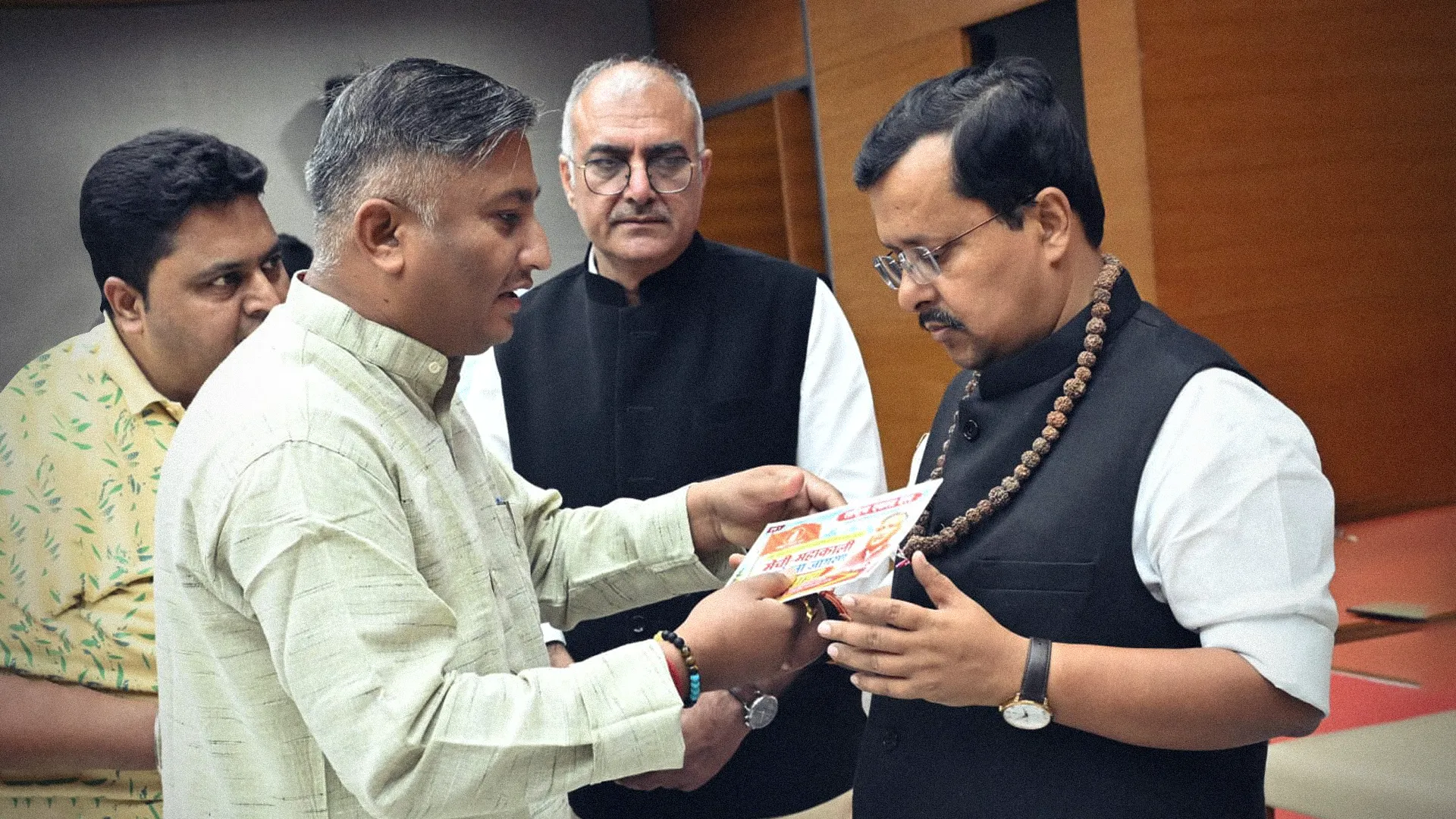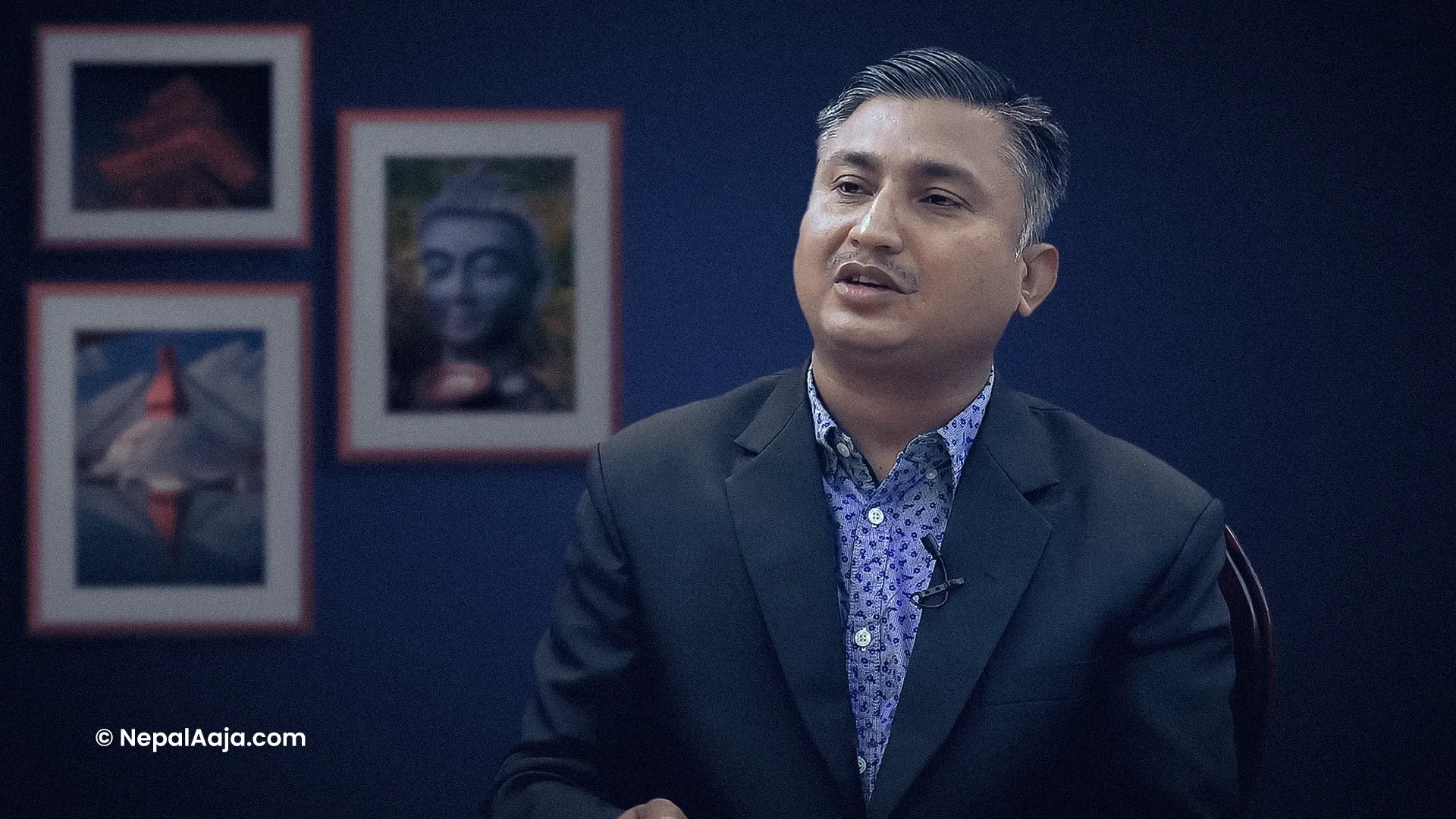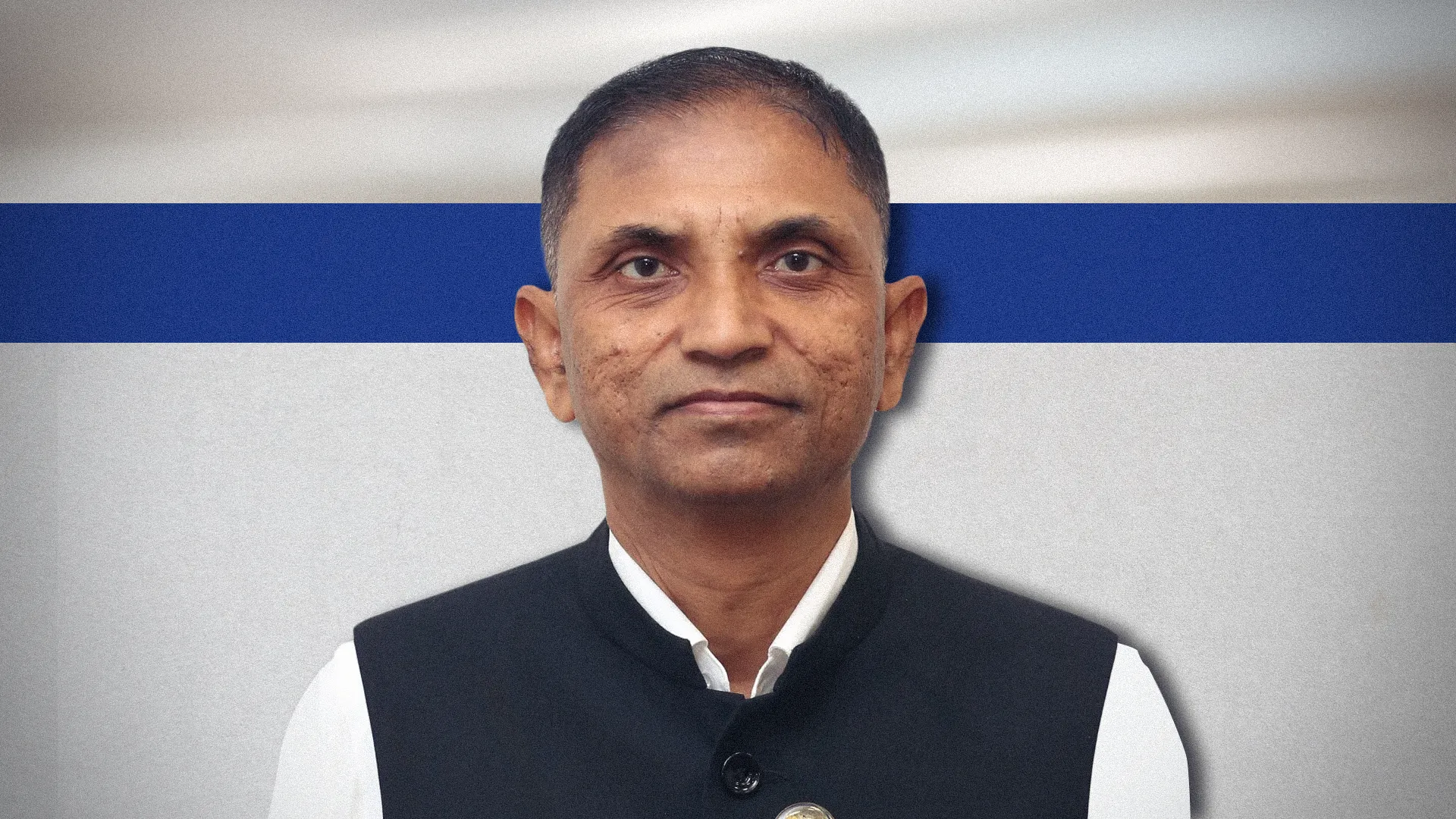



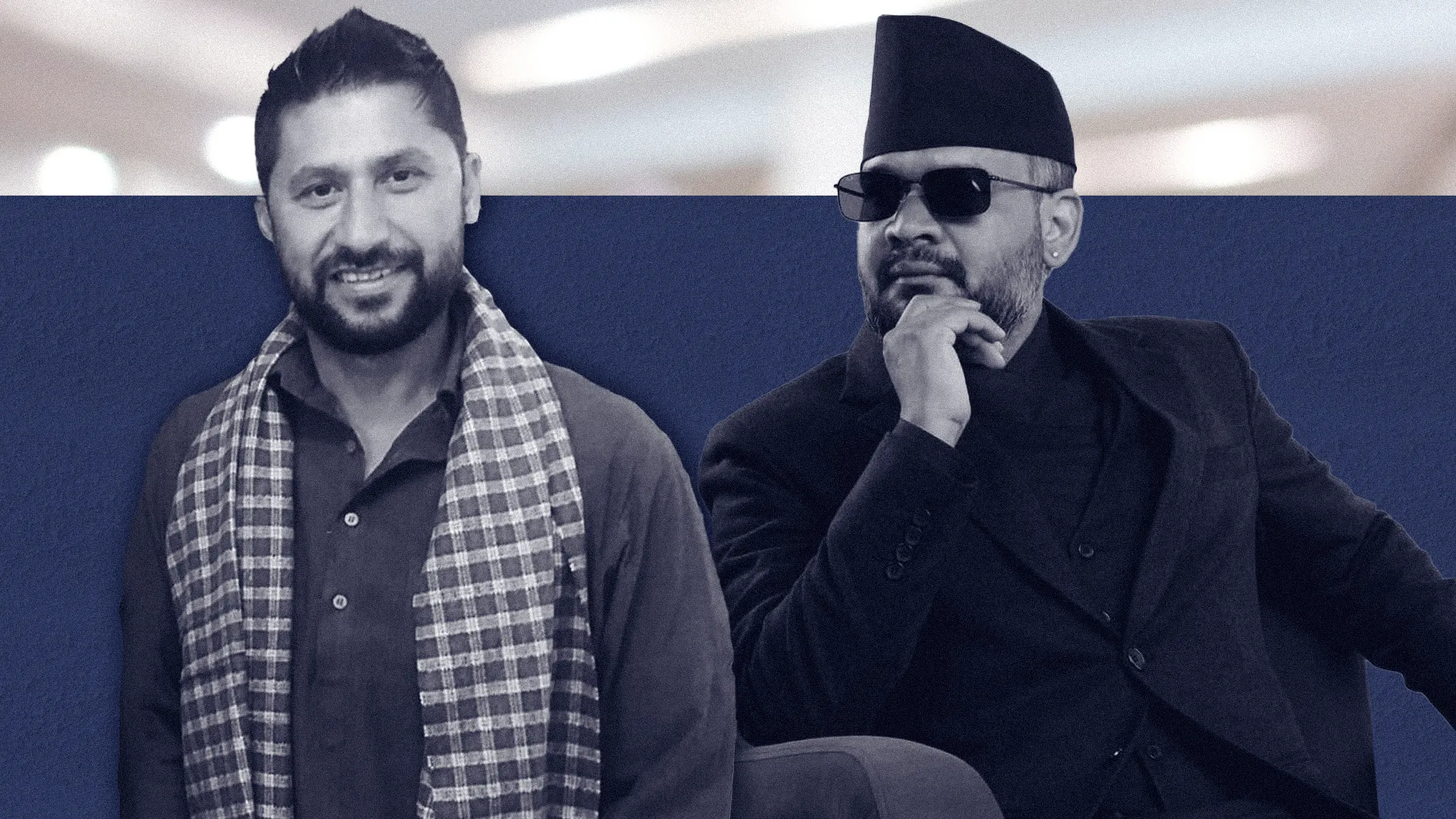
The long-simmering internal friction and cold war within the Rastriya Swatantra Party (RSP) are beginning to surface as a heated confrontation. As expectations grow for intensified street protests and political activity immediately following major festivals like Dashain, Tihar, and Chhath, the power balance and division within the RSP have taken a new turn. The internal clash between the party's two main pillars—President Rabi Lamichhane and Prime Minister and senior leader Balendra Shah—has created ripples from parliamentary arithmetic to public support equations.
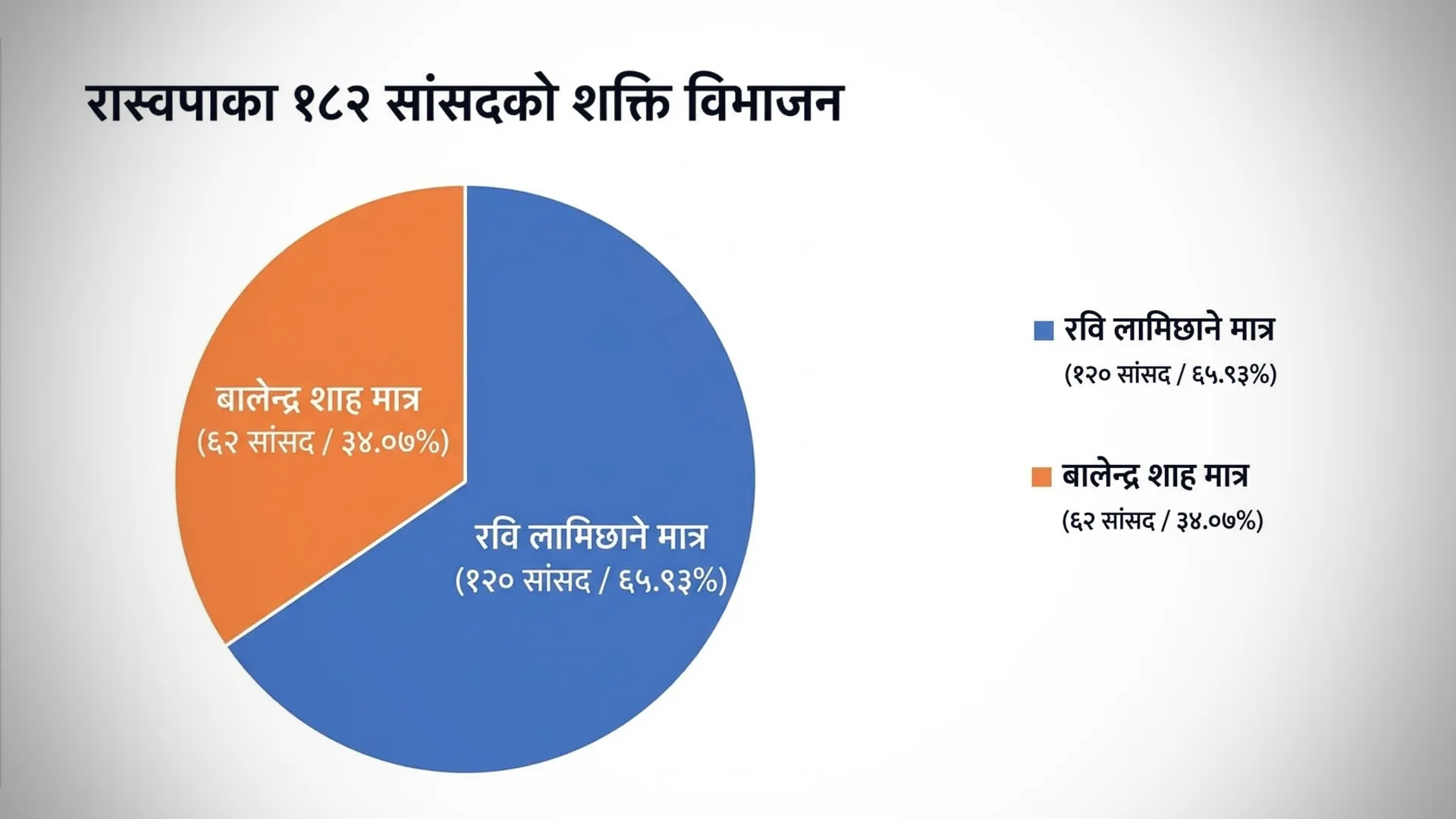
Lamichhane Dominates Parliamentary Strength
Parliamentary data confirms that Rabi Lamichhane holds a stronger position than Balendra Shah in the party's parliamentary arithmetic as polarization sets in. Regarded as an experienced and astute political player, party President Lamichhane has established a firm grip on the parliamentary party. Currently, around 120 RSP lawmakers stand openly in favor of President Lamichhane. Most MPs have naturally gravitated toward the accessible party president due to difficulties in meeting and contacting Prime Minister Balendra Shah, as well as the Prime Minister's faction showing little concern for the concerns and presence of their MPs. With a clear majority in the parliamentary party, President Lamichhane appears enthusiastic and confident in controlling internal power.

Interested in this ad?
Would you like to continue to the link or provide your information for more details?
Please provide your information
To continue, please fill in your details
Shah Relies on Public Mandate
On the other hand, despite lagging behind in parliamentary numbers, Prime Minister Balendra Shah remains firm on his distinct strategic footing. Estimates suggest that only about 60 to 62 MPs are currently aligned with Balen. However, despite the lower number of lawmakers, Prime Minister Balen remains confident in the analysis that he enjoys unprecedented support from the vast majority of citizens across the country. Guided by strong conviction—"Regardless of parliamentary arithmetic, the general public is on my side"—Balen considers himself powerful based on popular support. This has established a new narrative within the party: "Majority of MPs with Rabi, majority of the public with Balen."
Factions Deepen Ahead of Political Shift
Although a few undecided and opportunistic MPs are currently watching the situation from both sides without declaring allegiance, a clear division between the Rabi and Balen factions has already begun within the party. This polarization is bound to become even more pronounced and vocal in the coming days alongside potential post-festival street demonstrations and political realignments. It remains intriguing to see which direction this internal conflict between 'Rabi power' in parliamentary arithmetic and 'Balen power' on the streets and among the public will steer Nepali politics and the future of RSP.