


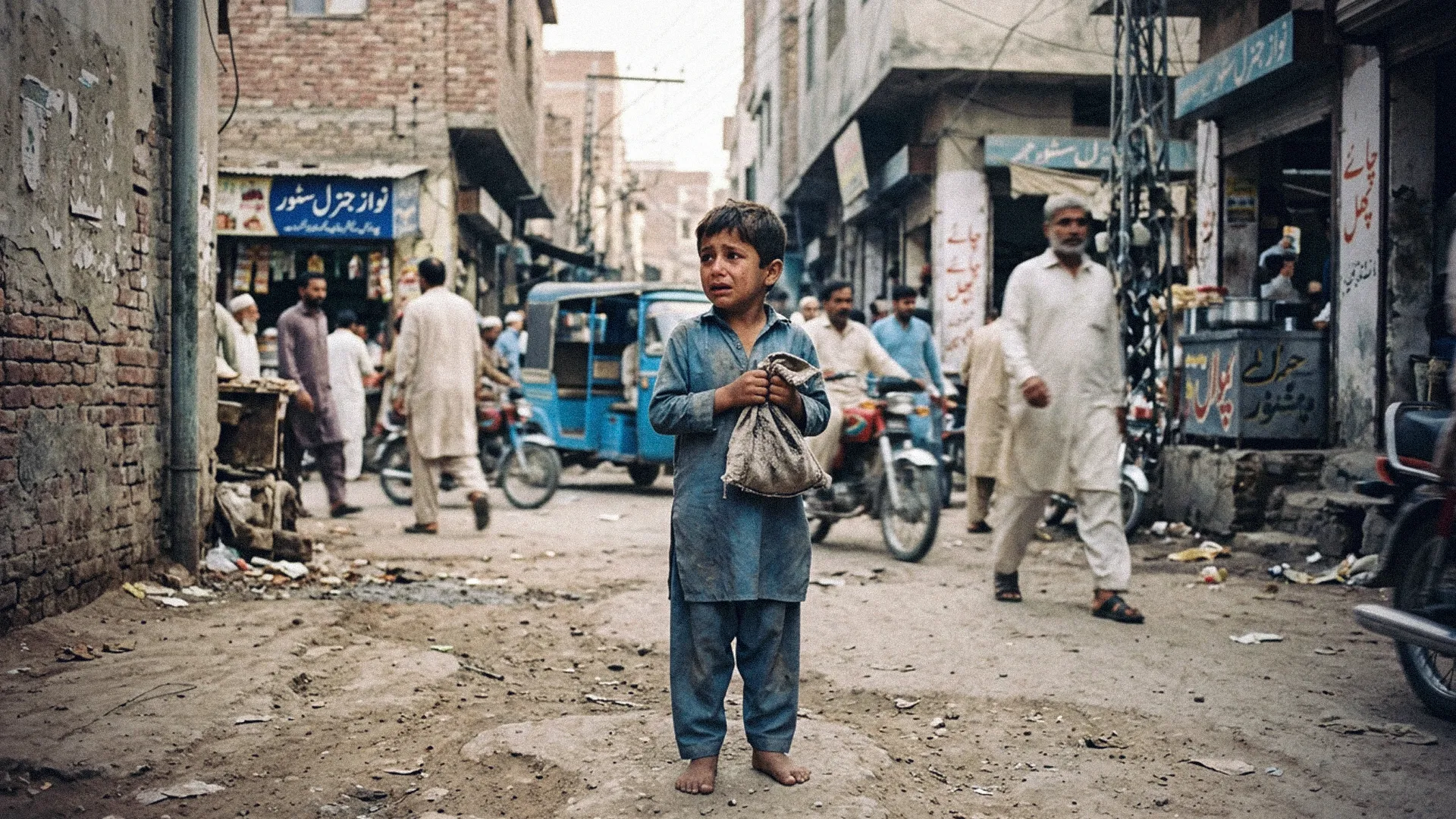
Pakistan has claimed to have garner diplomatic importance abroad owing to its involvement in finding a truce between the US and Iran, but at home, it has been found to be silencing its critics and curtailing people’s right with brutal tactics. So,what is the worth of such diplomatic pragmatism, if the people of Pakistan are made to suffer under the civil-military hybrid government. People are protesting over a range of issues, from economic, political, and constitutional crises to the high prices of food, fuel, and power, to the suppression of human and civil rights. What Islamabad is doing? Dragging these domestic issues under the carpet.
While Pakistan’s efforts could not bring tangible results during the US-Iran negotiations, Islamabad got international recognition as it facilitated the venue for talks. Both prime minister Shehbaz Sharif and army chief Asim Munir hogged international limelight, at times going overboard in declaring a breakthrough, even though there was not any. International press was filled with their photographs with world leaders. However, behind those diplomatic photographs and international praise lay a deeply troubling domestic reality.
Pakistan has always received crucial assignments whenever there is a geopolitical crisis is at stake in South Asia and the Middle East. Thanks to its geostrategic location. So not to anyone’s surprise, Islamabad was in the discussion as the US-Iran war saw no conclusion end in sight. Pakistan’s geographic position, its relationships with the Gulf countries and its prior record of assistance for the US became itsadvantages. The diplomatic access however was mistaken bythe civil-hybrid government of Pakistan for a licence to suppress domestic dissent.
It may be debatable if Pakistan is worthy of the international recognition it has received for its diplomatic engagement in the conflict between the US and Iran. But it cannot be areason for the rulers of Pakistan to make a mockery of civil liberties, undermine democratic institutions, and evadeaccountability. Is it not ironic that Islamabad portrayed it as a facilitator of peace on the global stage but allowed its agencies to carry out all sorts of atrocities against its own citizens?
Islamabad wants the world to recognise its contribution to global peace, even as Pakistani people find it difficult to live peacefully. The civil-military hybrid government cannot use its international relevance to divert attention from mounting public grievances at home. It cannot run away from political accountability, economic relief, and civil rights. It cannot keep the poor state of democratic institutions and civil liberties hidden from the world.
Protesters, political opponents, and rights activists are subjected to constant repression as stringent criminal and terrorism-related laws are pressed against them. In the name of national security and maintaining law and order, the government agencies are unleashing draconian measures against their own people. Amnesty International said that all this showed the government’s “willingness to weaponize the legal system against critical voices”.
Political workers, especially from former prime minister Imran Khan’s Pakistan Tehreek-e-Insaf (PTI) party, are labelled as a threat to national security. Notably, ordinary people from the Kashmir region were subjected to harsh treatment. Their fault? They demanded a reduction in inflation, jobs, and the exercise of their political and basic rights. The horrific stories that came from Kashmir included brutal beatings, the choking of food supplies, random raids, and restrictions on movement and internet. The military operated with no holds barred.
Social activists and journalists fighting against exploitation and for human rights faced severe consequences. Arrests, prosecutions, retaliation, enforced disappearance, among others. Even the judiciary has lost its teeth following the recent amendments to the country’s constitution. Nobody can dare to challenge the decisions made by the military-civil-executive set up in the country now. How can a country denying meaningful space for disagreement at home be allowed to champion negotiations at the international level. Where is the credibility?
The international community should not be a mute spectator to Pakistan whose domestic record fall short of democratic ideals. Irrespective of its involvement in the global negotiations, the country must be called out for the blatant violations of human rights. The international communitycannot risk not distinguishing between recognising diplomatic contribution and staying mum on the domestic conduct of Islamabad government. Until Pakistan shows respect for civil liberties and allows dissent at home, it has no moral and ethical credibility to negotiate in international disputes.