


KATHMANDU — In a landmark move poised to redefine global high-altitude climbing and stimulate mountain economics, Nepal has formally petitioned the international mountaineering community to grant official recognition to six additional Himalayan peaks exceeding 8,000 meters. If approved, the technical proposal will increase Nepal’s portfolio of recognized eight-thousand-meter mountains from 8 to 14, effectively expanding the world’s global count of 8,000-meter peaks from 14 to 20.
The initiative was officially introduced during the opening session of the two-day International Climbing and Mountaineering Federation (UIAA) General Assembly in Kathmandu. Returning to the Nepali capital for the third time—following previous assemblies in 1982 and 2011—the international gathering brings together 95 delegates representing 45 nations.
Presenting the formal justification, Phurba Gyaltsen Sherpa, President of the Nepal Mountaineering Association (NMA), submitted a detailed research report to the assembly. The NMA study team gathered field and scientific data establishing that each proposed peak features an independent summit, a distinct geographical identity, and a standalone climbing route required for individual mountain status.
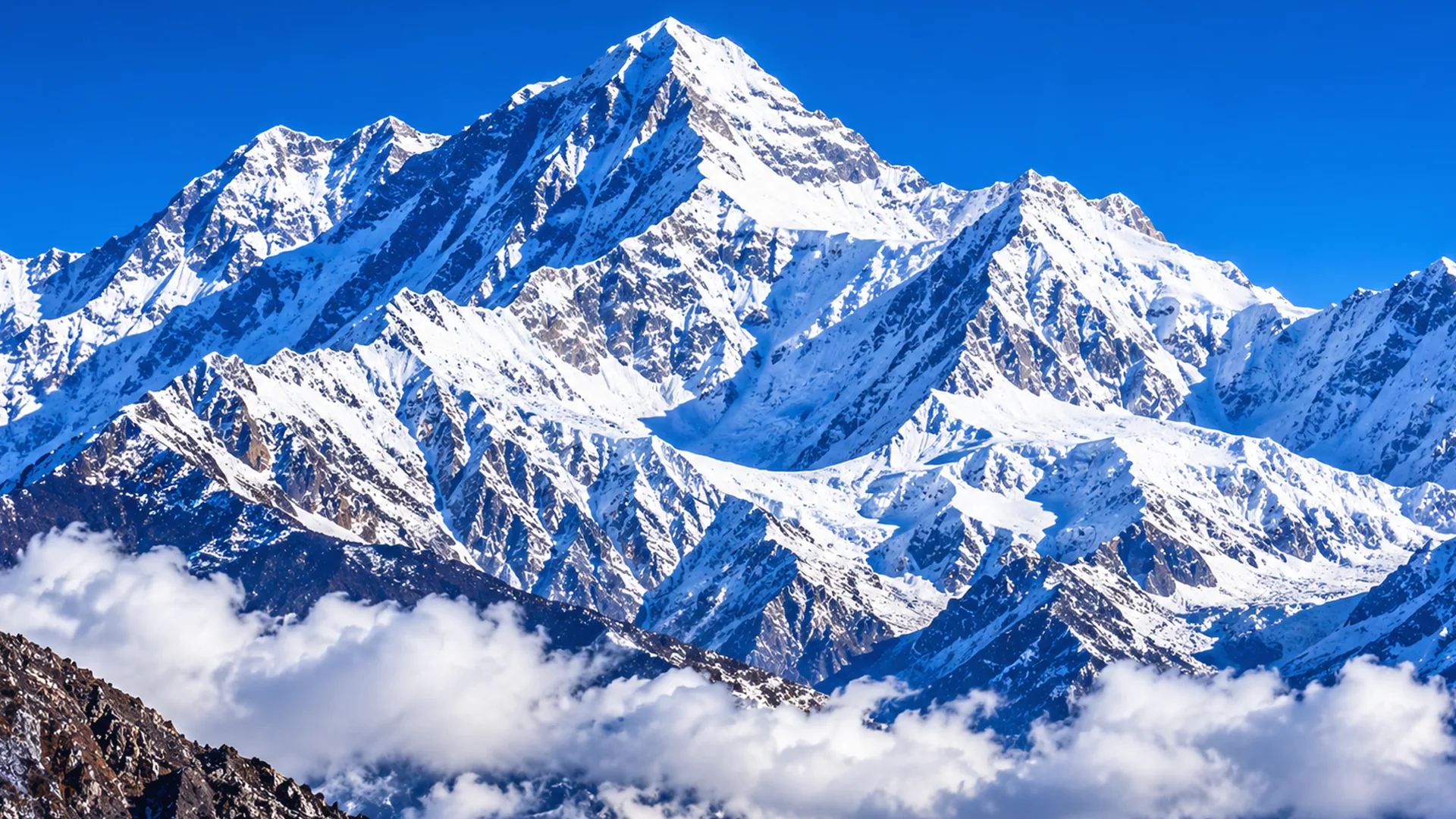
The six Himalayan summits submitted for international recognition and their respective elevations are:
-
Yalung Kang: 8,505 meters
-
Kangchenjunga South: 8,476 meters
-
Kangchenjunga Central: 8,473 meters
-
Lhotse Middle: 8,410 meters
-
Lhotse Shar: 8,400 meters
-
Yalung Kang West: 8,077 meters
Underlining the economic and strategic potential of the proposal, Minister for Culture, Tourism and Civil Aviation Khag Raj Paudel stated that hosting 14 of the world’s 20 eight-thousand-meter peaks would solidify Nepal's status as the global epicenter for high-altitude expeditionary climbing. Paudel emphasized that this expansion will generate new economic streams in adventure tourism, scientific research, and regional mountain development. Writing on social media, the minister reiterated that the submission is backed by scientific verification aimed at showcasing Nepal's unique Himalayan heritage to the world.
If the UIAA formally adopts these findings, the reclassification will restructure global mountaineering itineraries, unlocking unprecedented possibilities for high-altitude expeditions and alpine research.