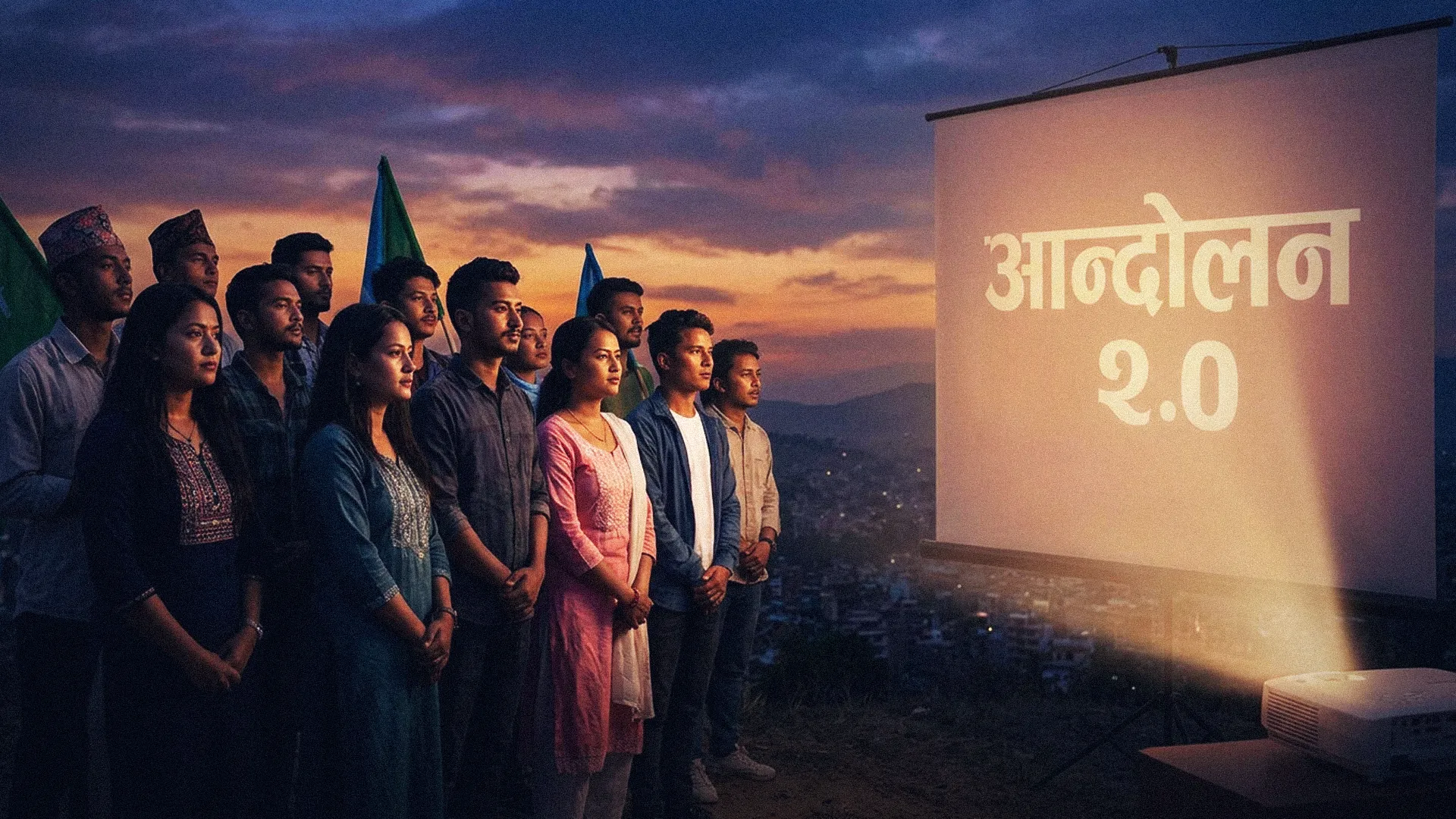



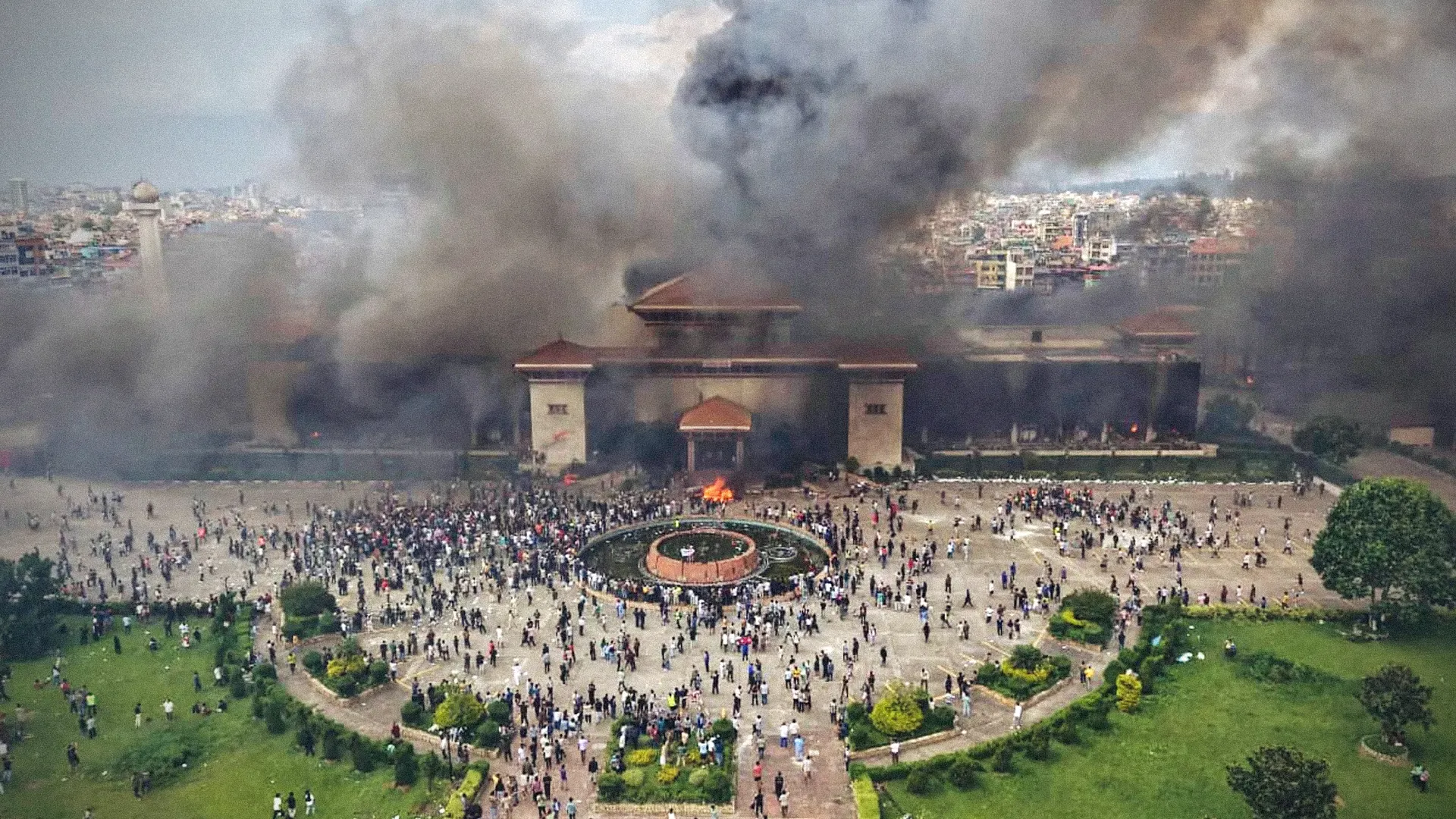
SB Shah - Today, Bhadra 23, the state has declared a public holiday on the occasion of completing one year since the 'Gen-Z Movement'. This rebellion raised by the younger generation against the existing irregularities, corruption, and political syndicate in the country brought epoch-making changes in Nepali politics, but the severe wounds and negative messages it left behind are equally concerning.
Positive Achievements of the Movement
-
Establishment of Civic Supremacy: Regardless of the damage to physical property, this movement established an unprecedented precedent that the army should not shoot at its own citizens and that citizen safety is the top priority.
-
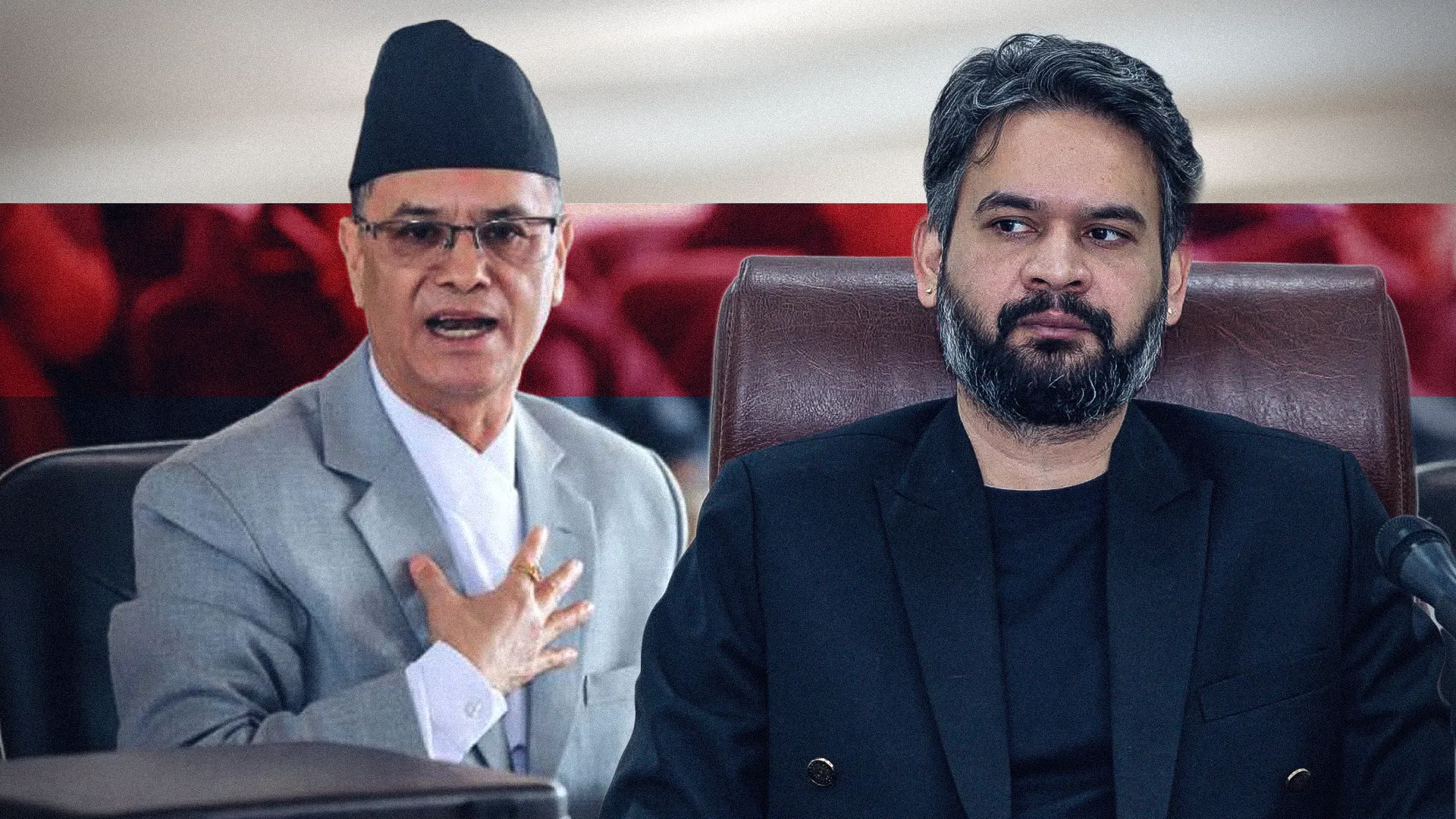
New Leadership and Rapid Development: After the movement, an electoral government was formed under the leadership of former Chief Justice Sushila Karki. Through the elections conducted by that government, a new popularly elected government was formed under the leadership of Balendra Shah, which is currently leading the country toward rapid development and administrative reform.
Negative Shadows and Serious Questions of the Movement
-
Morale and Constitutional Duty of Security Forces: In the process of saving a state heritage like the Parliament building, a situation arose where the police had to open fire, leading to murder allegations against the police. This has raised a serious question for future movements about whether security personnel should save state property or open the doors of Singha Durbar.
-
Mobocracy and Violent Activities: The brutal assault on former Prime Minister Sher Bahadur Deuba and Foreign Minister Arzu Deuba by an agitated mob, along with looting and arson at leaders' homes, encouraged chaotic trends of taking the law into one's own hands. However, police successfully recovered and returned most of the items looted from Gagan Thapa's home a few days later.
-
Destruction of Historical Heritage and National Property: Singha Durbar, the Supreme Court, and the Parliament building were burned, while historical documents related to the Sugauli Treaty were turned to ashes in the fire. Prisoners escaping through jailbreaks and hundreds of innocent children losing their lives during the movement became the darkest and most painful aspects of this rebellion.
-
Non-Political Influence in Regime Change: Allegations arose regarding the army's role in forcing then Prime Minister KP Sharma Oli to resign, setting a bad precedent in the democratic system.

Interested in this ad?
Would you like to continue to the link or provide your information for more details?
Please provide your information
To continue, please fill in your details
Reflection of Movement in Poetry
This poem clearly highlights the storm brought by this movement, its achievements, and the wounds it left behind:
Today is that very day—
The day the Parliament building was destroyed,
The day Singha Durbar was engulfed in flames,
The day even the Supreme Court was not safe.
The day murder suspects escaped,
The day Shital Niwas was burned,
The day fire reached the courtyards of leaders' homes,
The day years of earnings turned to ashes in an instant.
The day murderers and corrupt individuals were protected inside the army perimeter,
The day a brave brother was beaten on the street,
The day even sister-in-law had to endure violence,
The day Gagan's house became the target of looting for a few days.
The day pages of history inside Singha Durbar and
Documents related to the Sugauli Treaty fell into the fire,
The day it was claimed that after thirty years the country started walking a new path,
The day an era of running the country through black glasses, Facebook statuses, and social media slogans began.
But this very day
Is also the painful day when hundreds of children lost their lives.
For some, a day when the army's pride increased,
For some, a day when the nation's honor rose,
For some, a day when jail doors broke,
And for some, a day a new journey started in a sunroof car.
How history will remember this day—
The decision is not today, time will tell.
Undoubtedly, the Gen-Z Movement dealt a major blow to decades of political irregularity and gave the country new leadership, but the chaos and human loss during this process demanded a huge price. Rising above the culture of running the country solely on social media slogans and statuses, building the nation on the foundation of procedure, law, and good governance is the real challenge ahead.