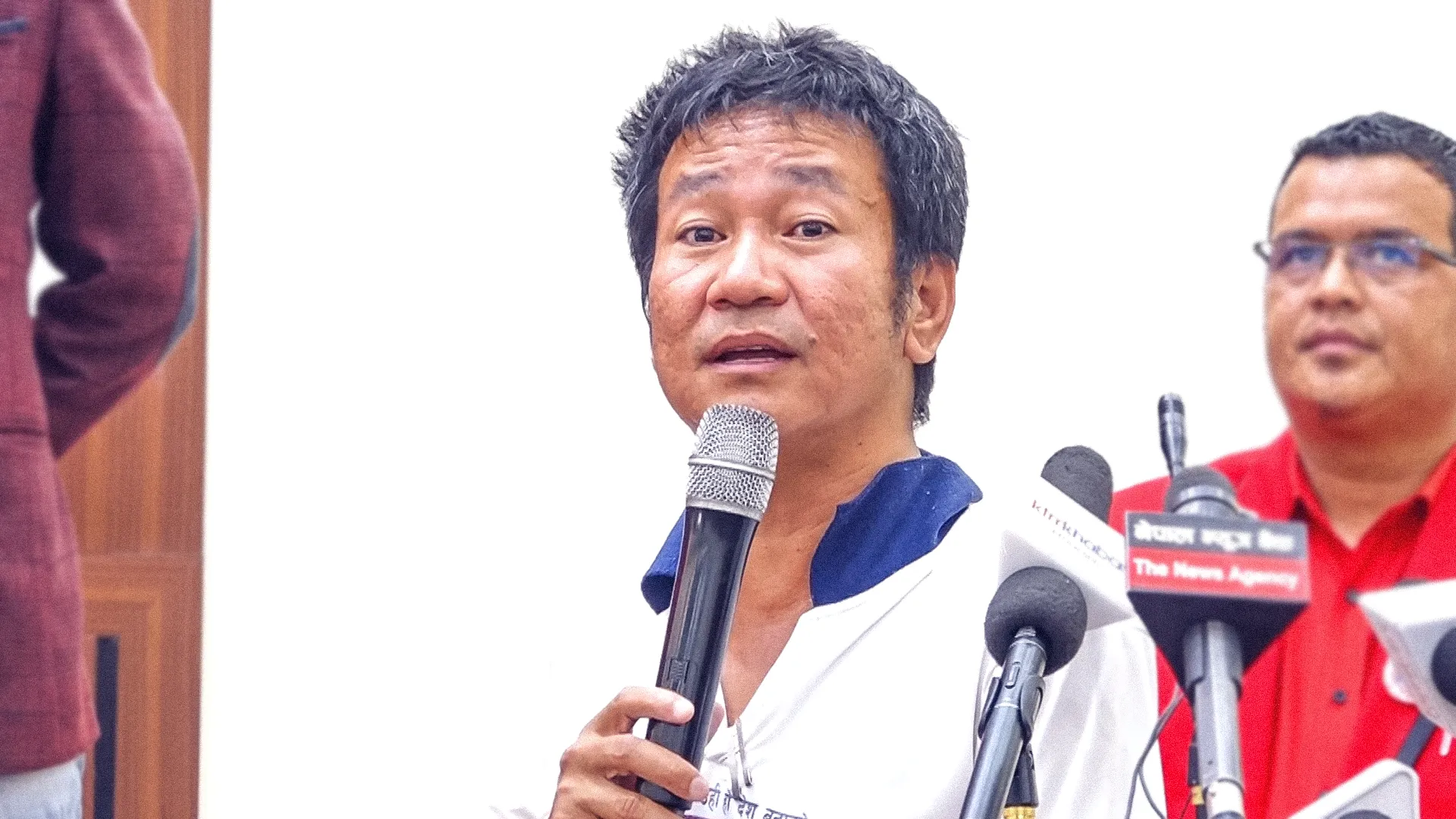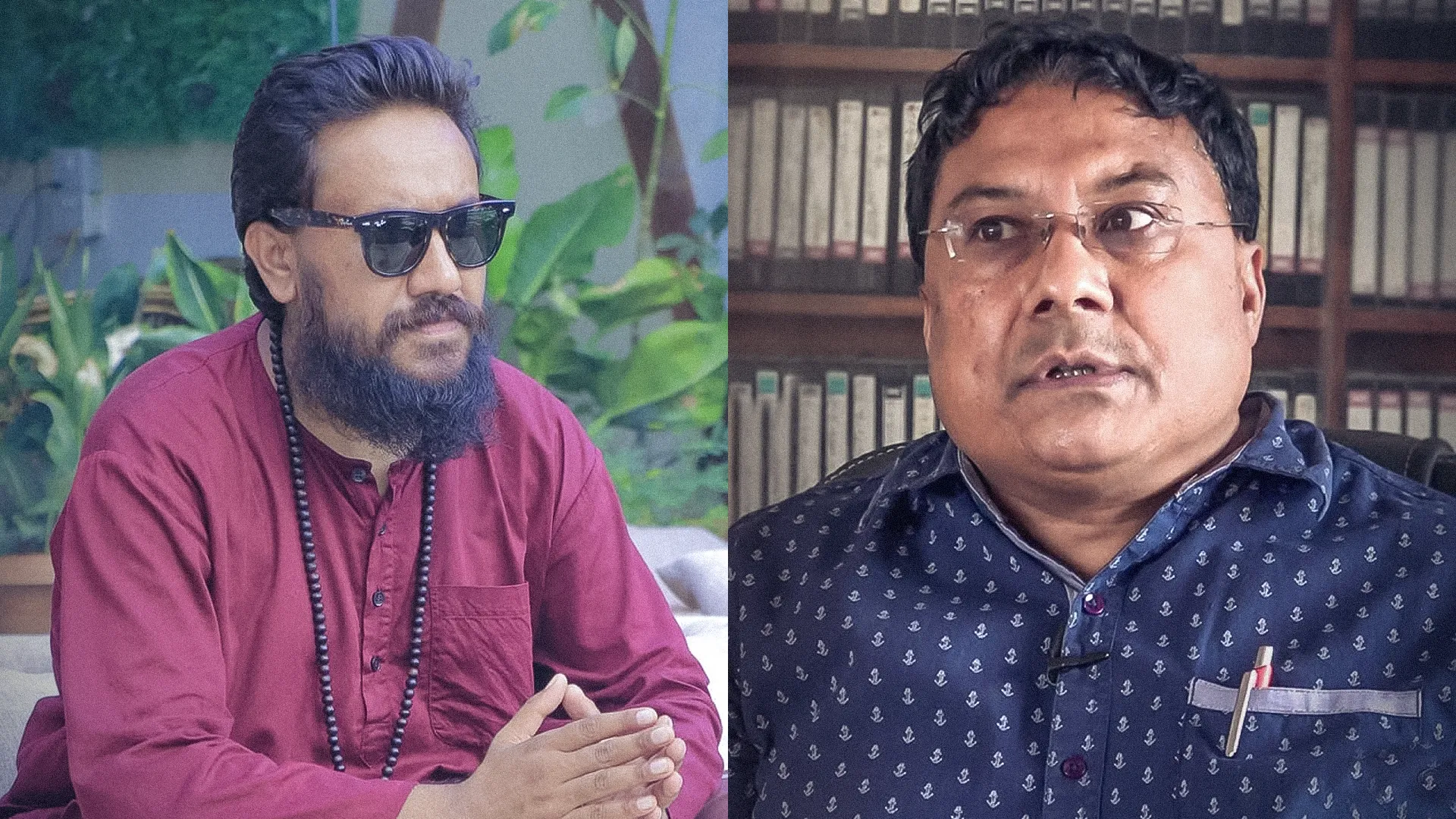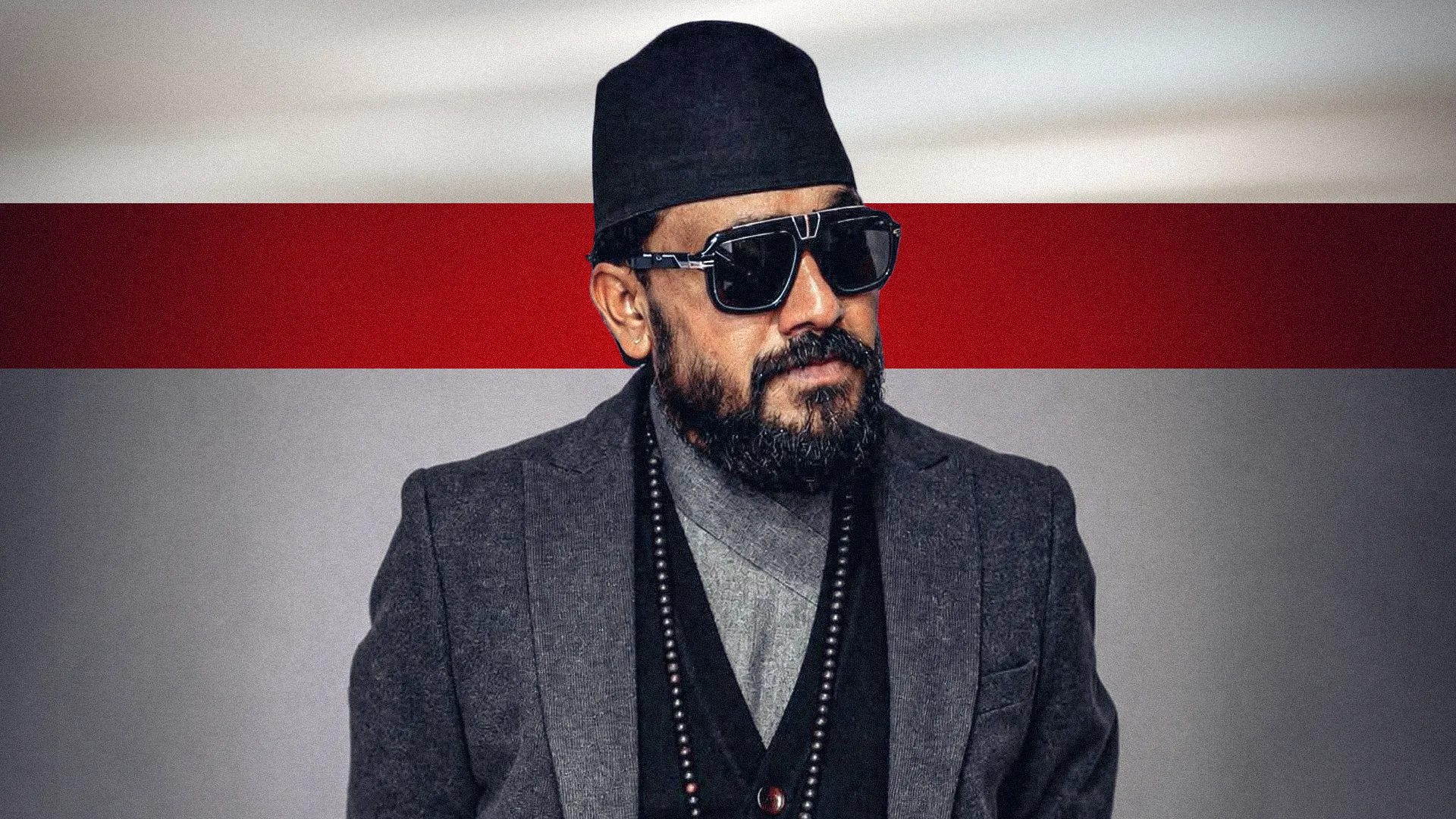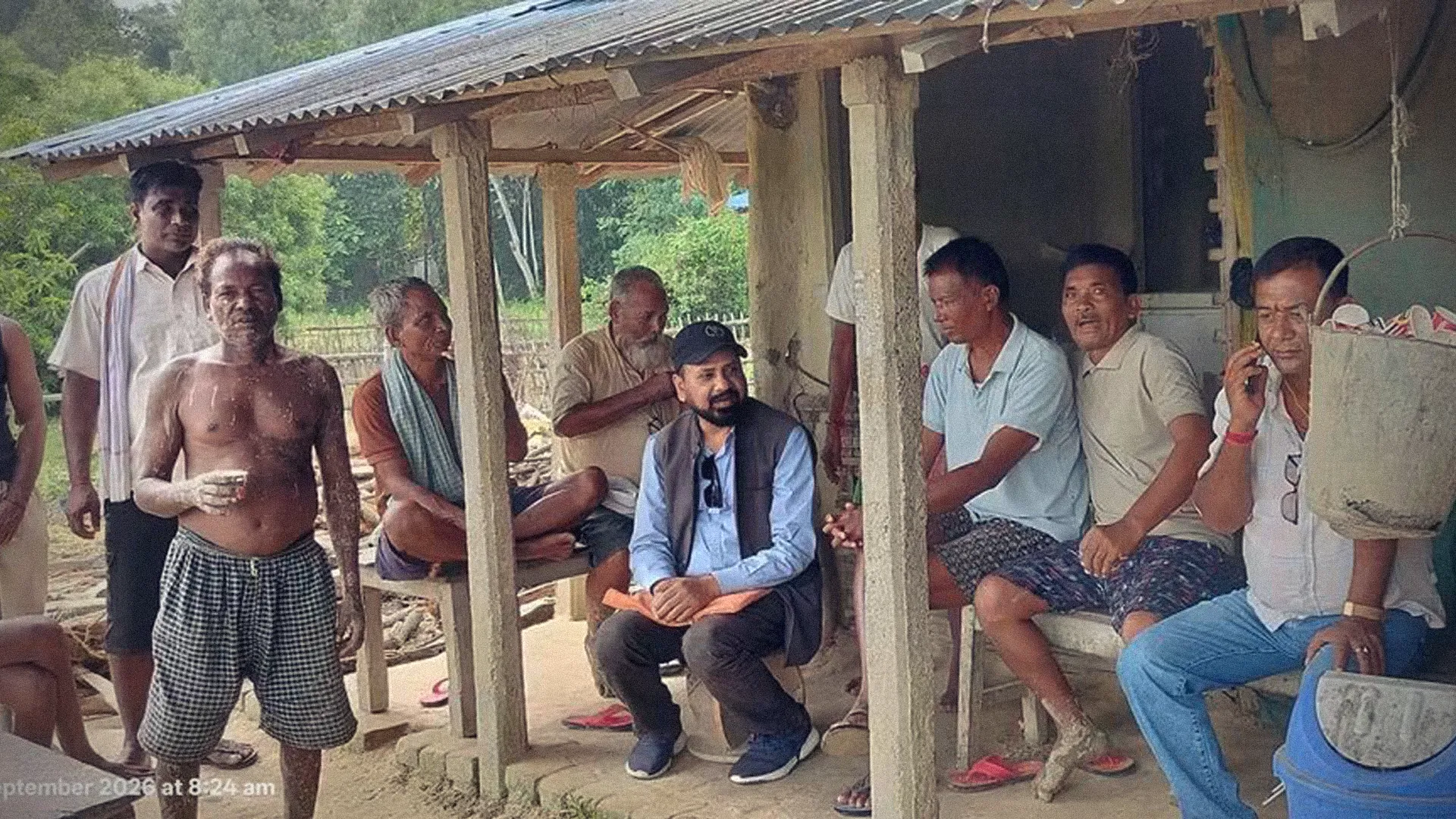



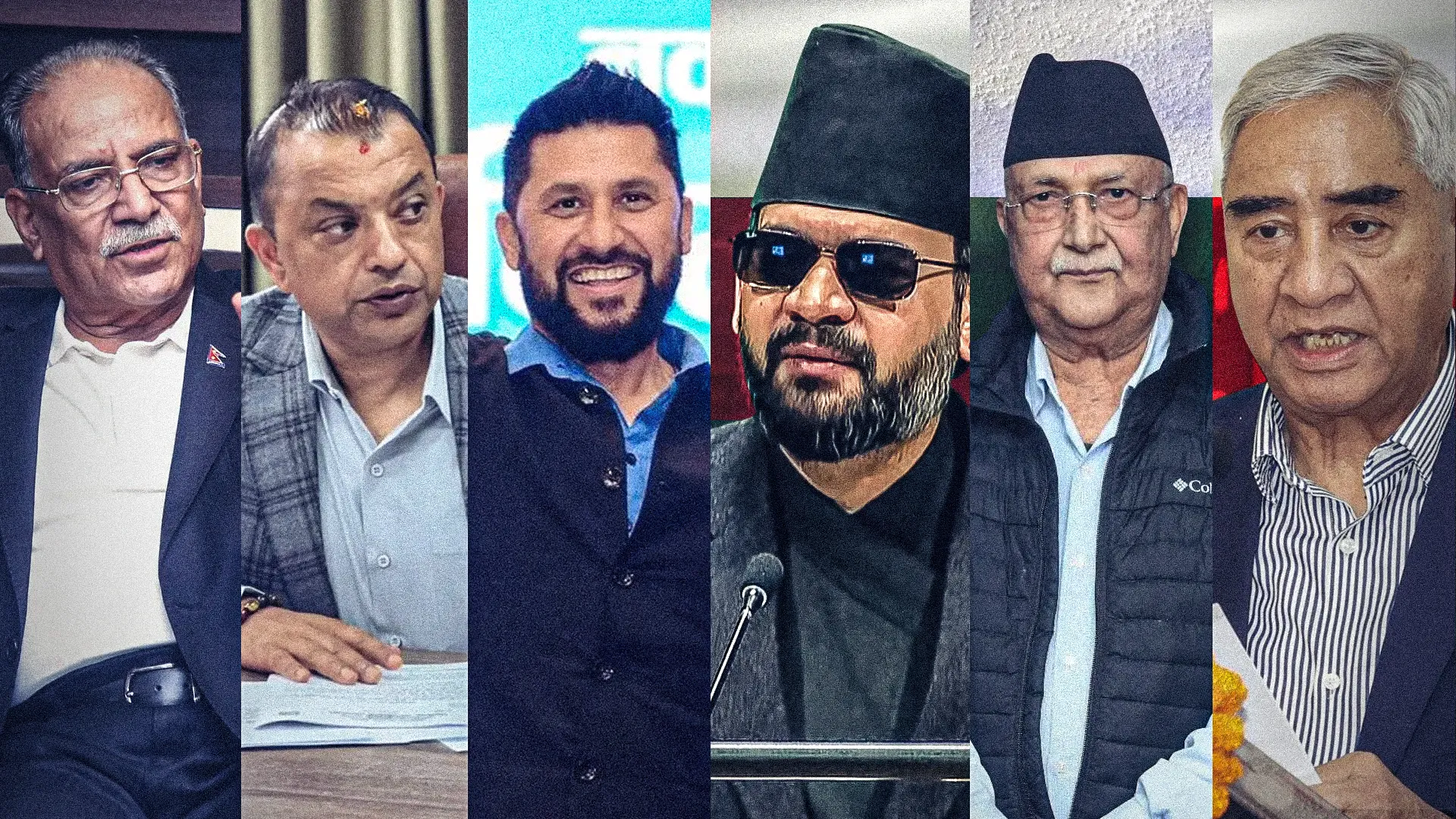
SB Shah - With the conclusion of the Chhath festival, clear signs have emerged that Nepali politics is once again entering a critical juncture marked by fierce street protests, potential polarization, and a shifting power balance. Invisible political calculations among traditional left forces, the dissatisfied establishment faction within the Nepali Congress, and emerging political forces have made the future political trajectory increasingly complex and intricate. At the center of these developments lie a potential coalition between the CPN (UML), the communist faction led by Pushpa Kamal Dahal 'Prachanda', and the Sher Bahadur Deuba faction of the Nepali Congress, alongside Gagan Thapa's ideological stance, and the internal strategic friction within the Rastriya Swatantra Party (RSP) between its Chairman Rabi Lamichhane and senior leader and Prime Minister Balendra Shah.
In Nepali politics, post-festival movements have traditionally served not merely as street demonstrations, but as established tools to alter power equations. Facing declining public support, CPN (UML) and the communist faction led by Prachanda are uniting once again to showcase organizational strength through street protests and force the current government onto the defensive. For Prachanda, street movement has always been a key instrument to enhance bargaining power in parliamentary politics. The most intriguing aspect of this equation is the potential participation of the Sher Bahadur Deuba faction. Despite Gagan Thapa taking over the leadership of the Nepali Congress—and amid accusations that the Deuba family faced physical assault and home looting during the Gen Z protests at Thapa's instigation—Deuba remains active and influential in politics. Defensive after being sidelined by Thapa and suffering physical assault, the Deuba faction may adopt a strategy of cooperating with communist forces or offering indirect support to the movement to preserve its political existence and influence.
On the other hand, Nepali Congress President Gagan Thapa has taken a firm and clear stance against participating in any movement or alliance led by UML or Prachanda. Thapa analyzes that forming unnatural alliances with communist forces repeatedly has cost the Congress its ideological foundation and public trust. Staying aloof from immediate power mathematics to preserve the party's democratic identity is seen as a strategic long-term move for Thapa, yet in the short term, it carries the equal risk of isolating Congress from traditional coalition arithmetic. This has further widened the rift between the Deuba and Thapa factions within the Nepali Congress.

Interested in this ad?
Would you like to continue to the link or provide your information for more details?
Please provide your information
To continue, please fill in your details
Meanwhile, the situation within the RSP and its top leadership has become exceptionally dualistic and intriguing. Although the government operates under the leadership of RSP's senior leader Balendra Shah, Chairman Rabi Lamichhane believes he constantly faces legal prosecution and humiliation from state mechanisms. Lamichhane feels that despite his own party's senior leader Balendra Shah serving as Prime Minister, the threat of arrest looms over him and he receives insufficient respect. To avenge this perceived humiliation while avoiding the risks of open rebellion from within the government, Lamichhane has opted for a 'backdoor' or invisible collaboration with Prachanda's movement—a dual play aimed at strengthening Prachanda's movement from behind to escalate pressure on the government.
Prime Minister and senior RSP leader Balendra Shah, along with his faction leading the government, is closely monitoring these political developments and Lamichhane's moves. Balen's side assesses that upon Lamichhane's request, Prachanda could temper the intensity of the movement or bring it under control. For this reason, Prime Minister Balen has recently begun heeding Chairman Rabi's views, adopting a strategy of showing external respect and flexibility, even if not entirely heartfelt. This is not driven by ideological affinity or internal unity, but is a purely pragmatic move to diffuse the heat of potential protests and adjust the power balance.
The potential post-Chhath protests and polarization reaffirm how political survival and opportunism prevail over principles and ideals in Nepal. While the Congress led by Gagan Thapa maintains an ideological stance not to repeat past mistakes, the UML, Prachanda, and Deuba factions strive to capture power and the streets through familiar coalition tactics. Meanwhile, internal mistrust, a desire for retribution, and strategic maneuvering between Chairman Rabi Lamichhane and Prime Minister Balendra Shah within the same party (RSP) are bound to make Nepali politics even more unstable, intricate, and unpredictable in the coming days.