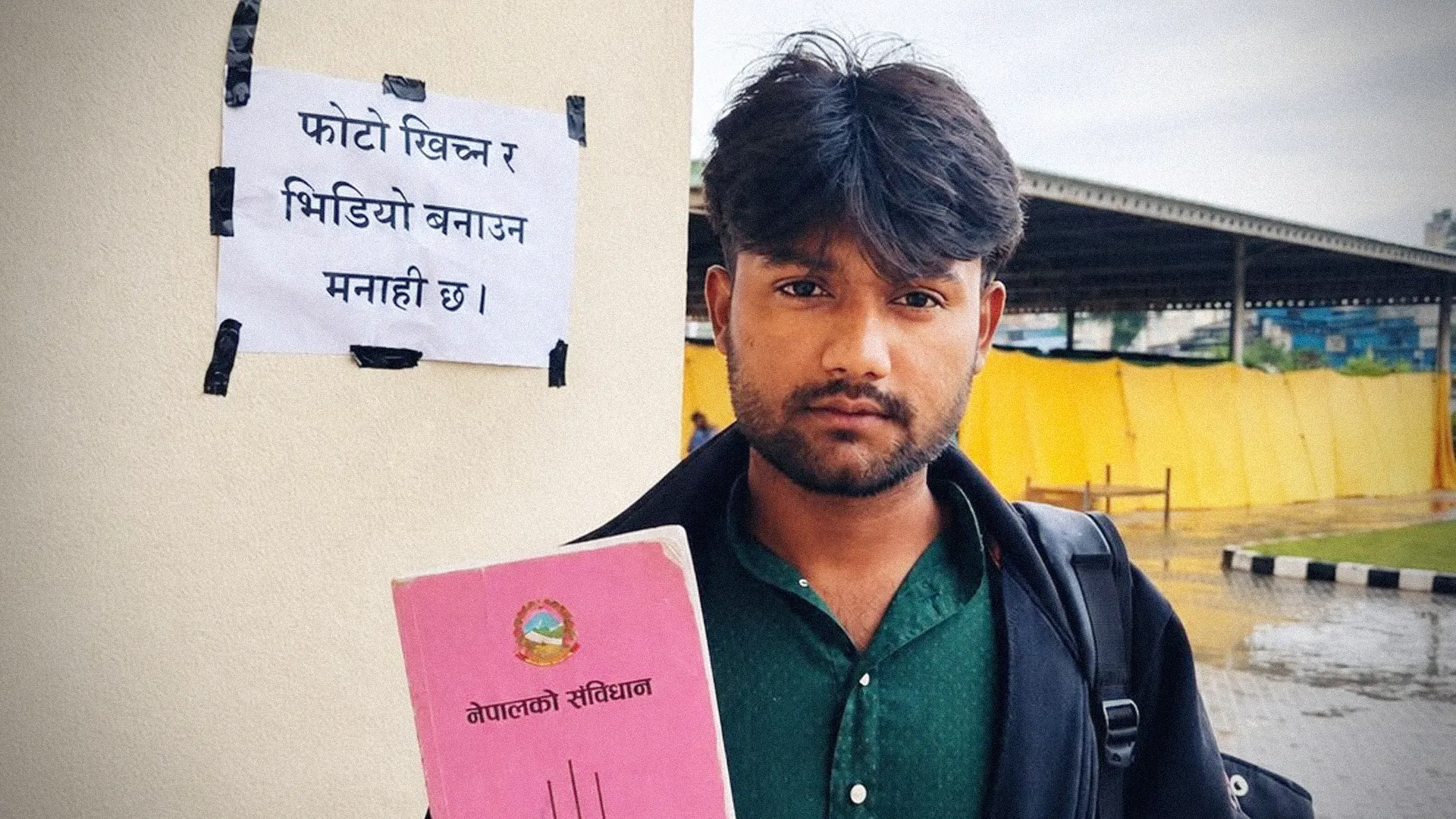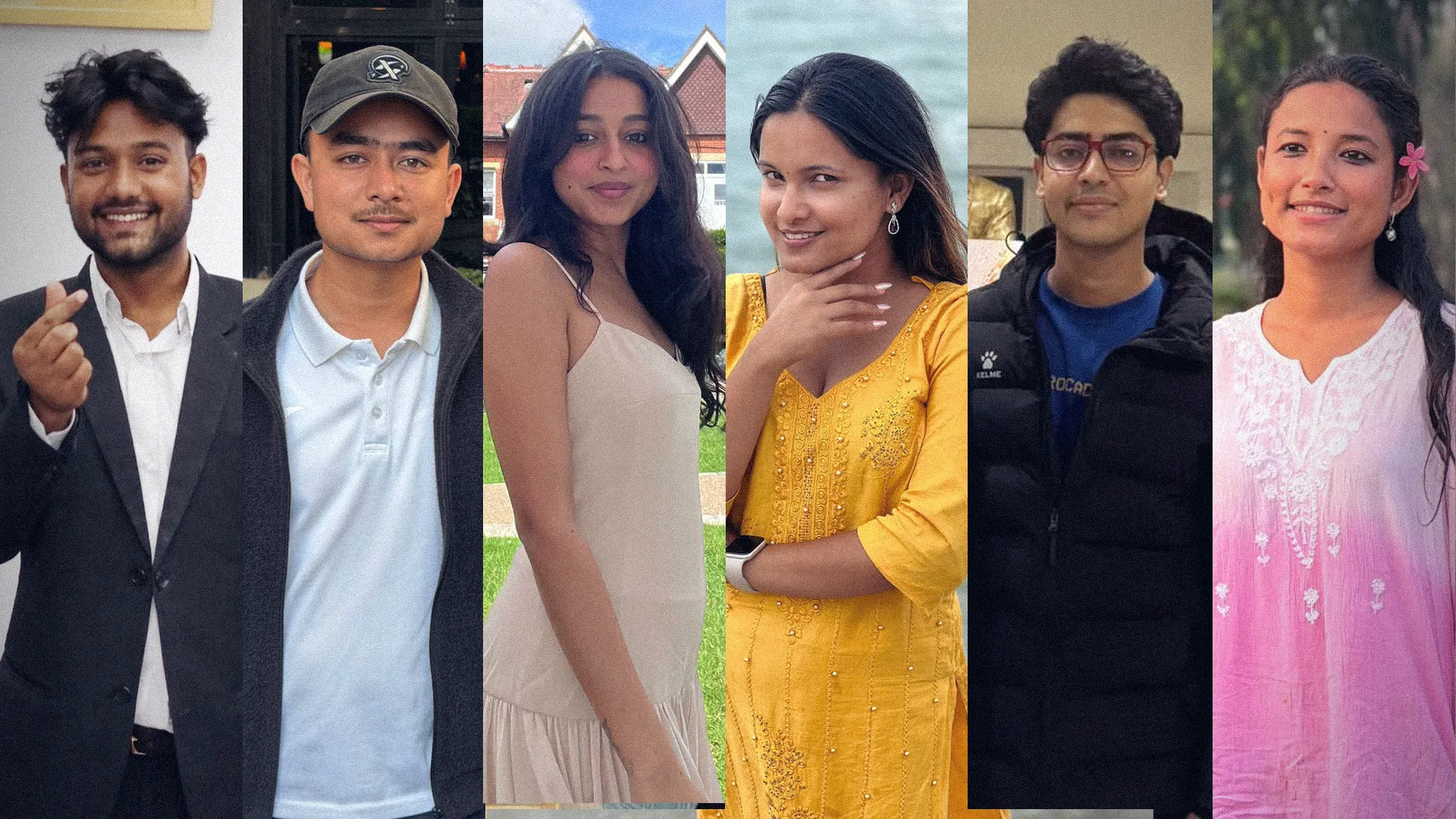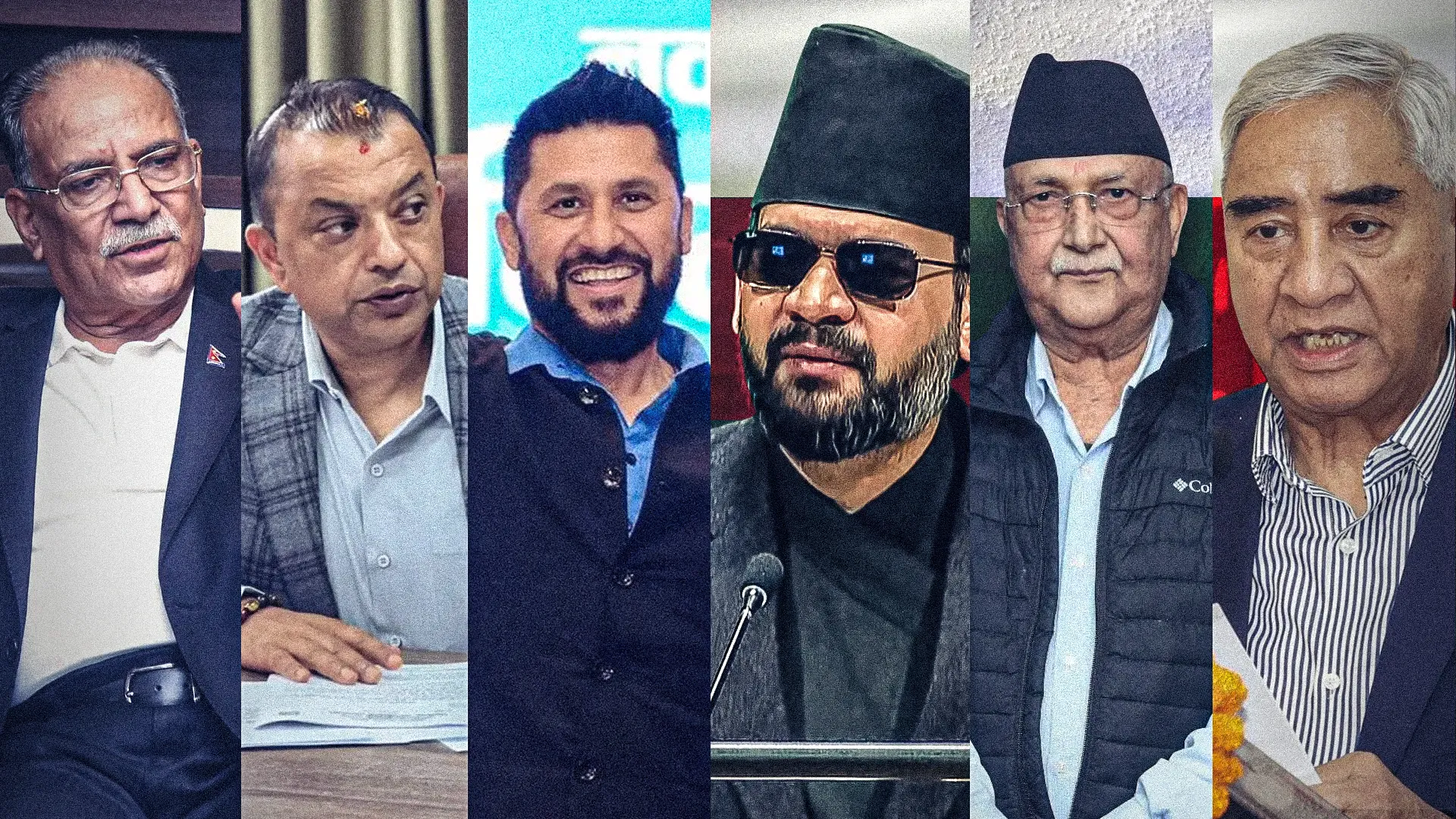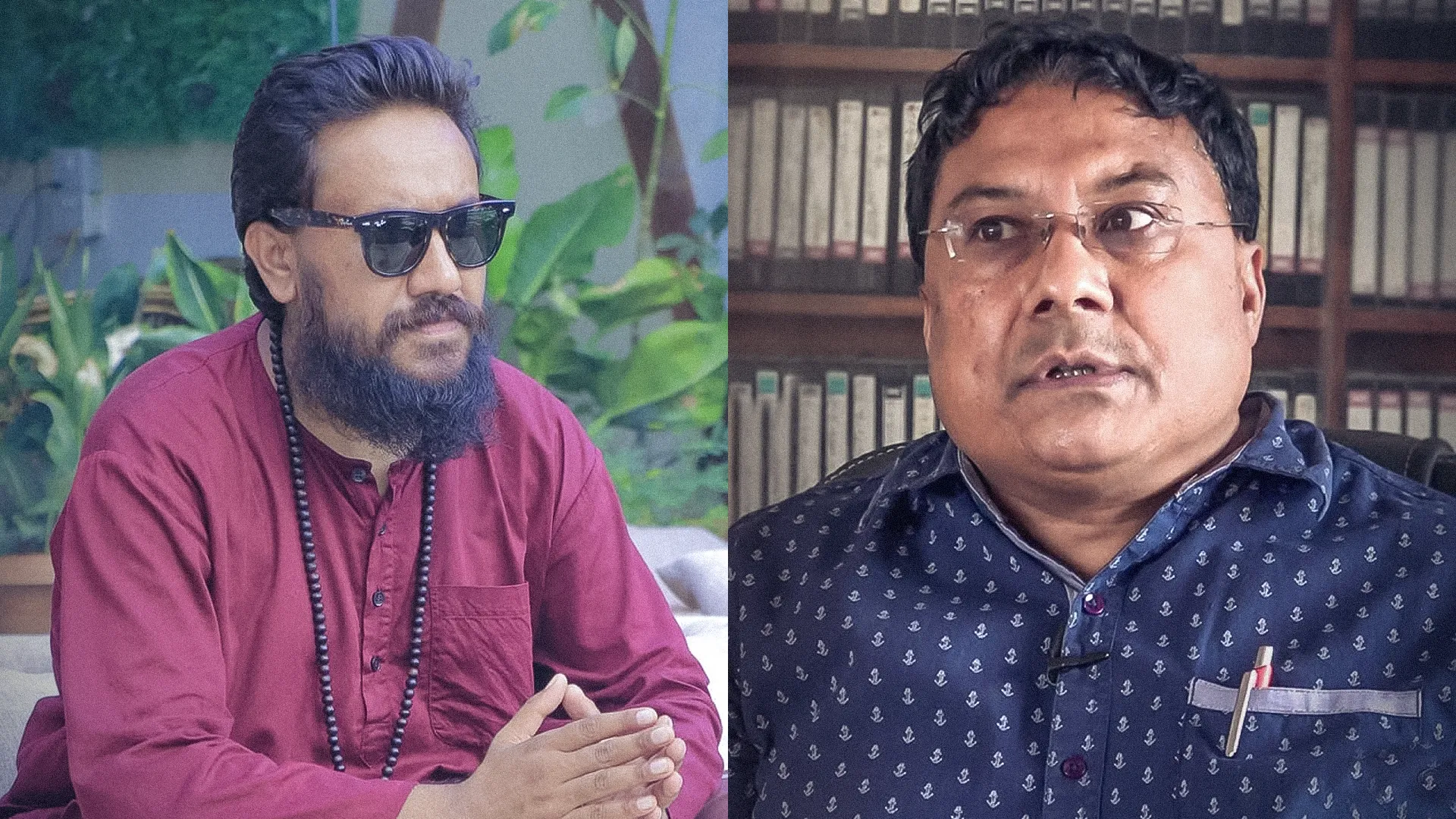



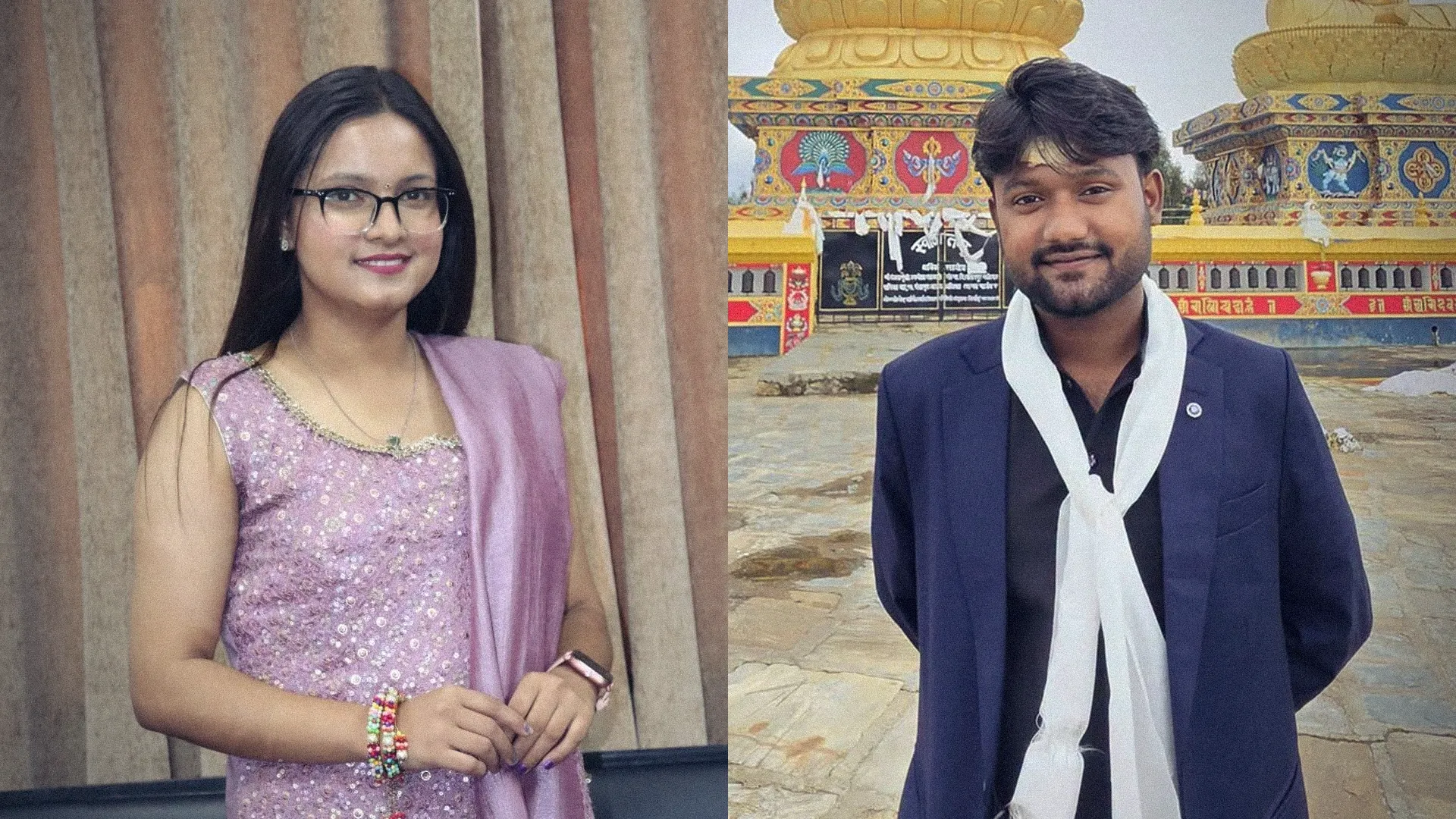
Following news that state security agencies have increased surveillance on Nepal’s new generation of Gen Z youth leaders, a series of debates and reactions continues on social media. Regarding the report published in 'Nepal Aaja', the concerned youth leaders have been expressing their views and dissatisfaction via Facebook.
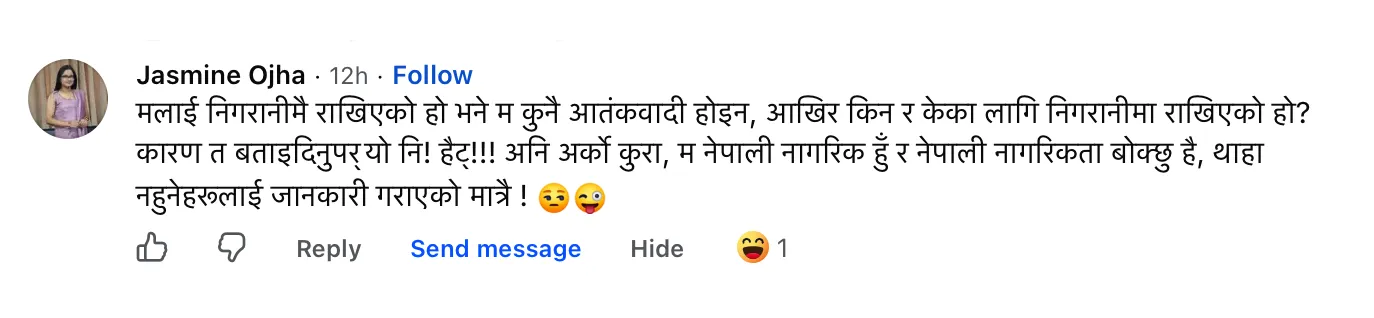
In this context, Gen Z leader Jasmin Ojha made her statement public through a Facebook comment. She wrote, "If I am indeed kept under surveillance, I am not a terrorist. After all, why and for what reason am I being monitored? A reason must be given! Hait!!! And another thing, I am a Nepali citizen and hold Nepali citizenship, just informing those who don't know!" Prior to this, another Gen Z leader, Majid Ansari, had also commented expressing objection to the media's reporting. Ansari, who initially twisted the word journalist into an offensive slur 'patrukar' (trash journalist), later edited the comment and wrote, "Is the state organ aware of this? How did you dare call me an agent of weak Bangladesh instead of calling me an agent of powerful India, Mr. Journalist? Either prove this allegation or be ready to answer to the Press Council. Nepal Aaja !"

Interested in this ad?
Would you like to continue to the link or provide your information for more details?
Please provide your information
To continue, please fill in your details
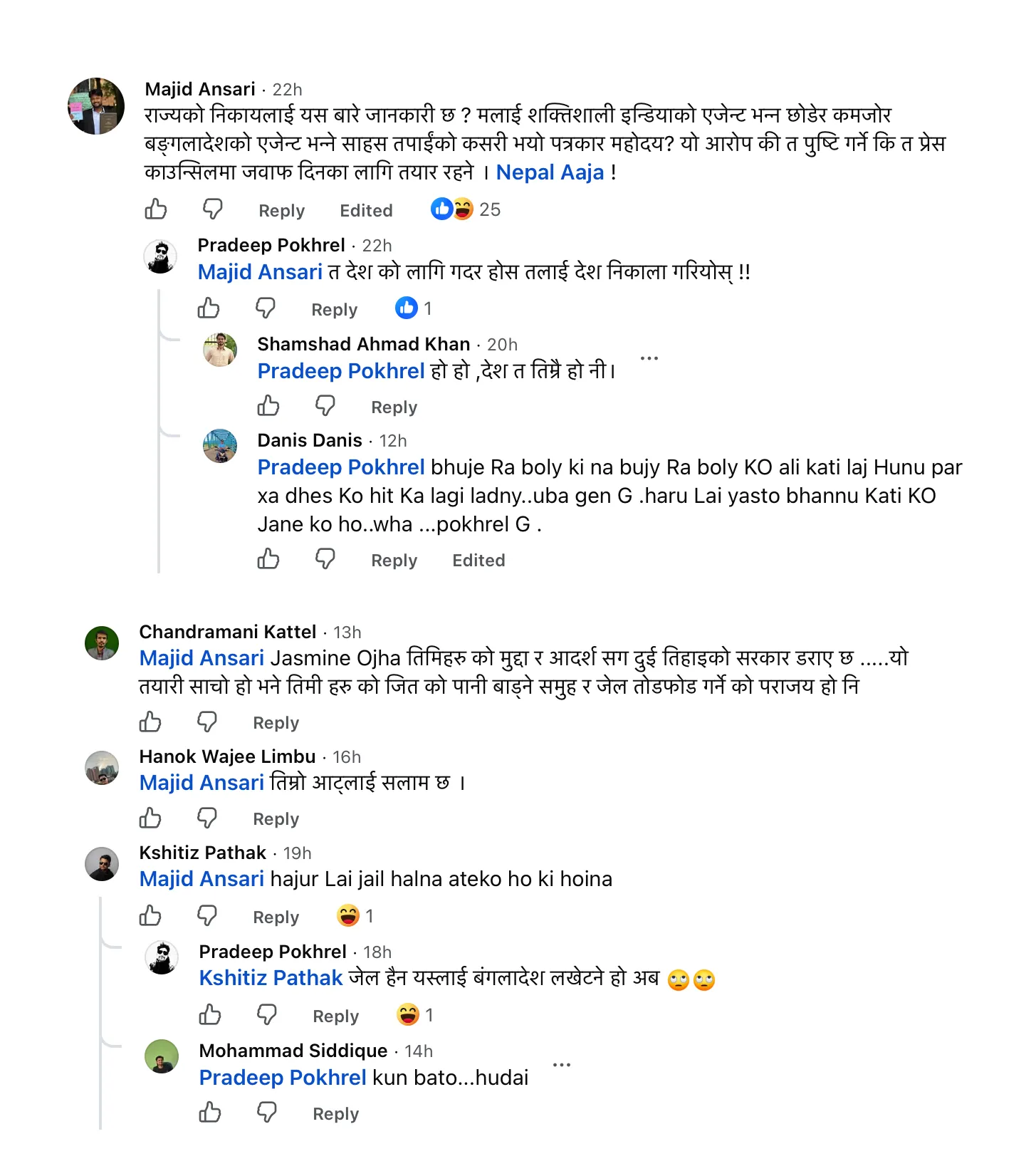
Such clarifications given by youth leaders on issues not raised anywhere in the original news article have sparked satire, with critics claiming their political ground appears somewhat shallow. In the news written purely on political power balance and monitoring, there was neither any mention of terrorism nor any question raised regarding anyone's nationality or citizenship. However, displaying a style on social media of 'acting sharper than the knife, claiming Gen Z knows more than millennials', they seem busy creating imaginary issues on their own. Earlier, Majid Ansari raised questions about the word 'agent' which was not mentioned in the news at all, while this female Gen Z leader went two steps ahead of Ansari to directly present certificates of terrorism and nationality. If both these 'know-it-all' Gen Z leaders continue to display such amazing discipline and wisdom, it is certain that they will become 'Prime Minister' and 'President' in the future. Readers are also expecting more such interesting and entertaining clarifications from them in the coming days so that a good dose of entertainment can be found even within serious politics.
Such statements given by youth representatives in the public sphere regarding media reporting and issues of public concern indicate their political maturity and the direction of their upcoming political journey. What turn this strange style of reaction by youth leaders toward state security surveillance will take in the coming days has become a center of interest.