


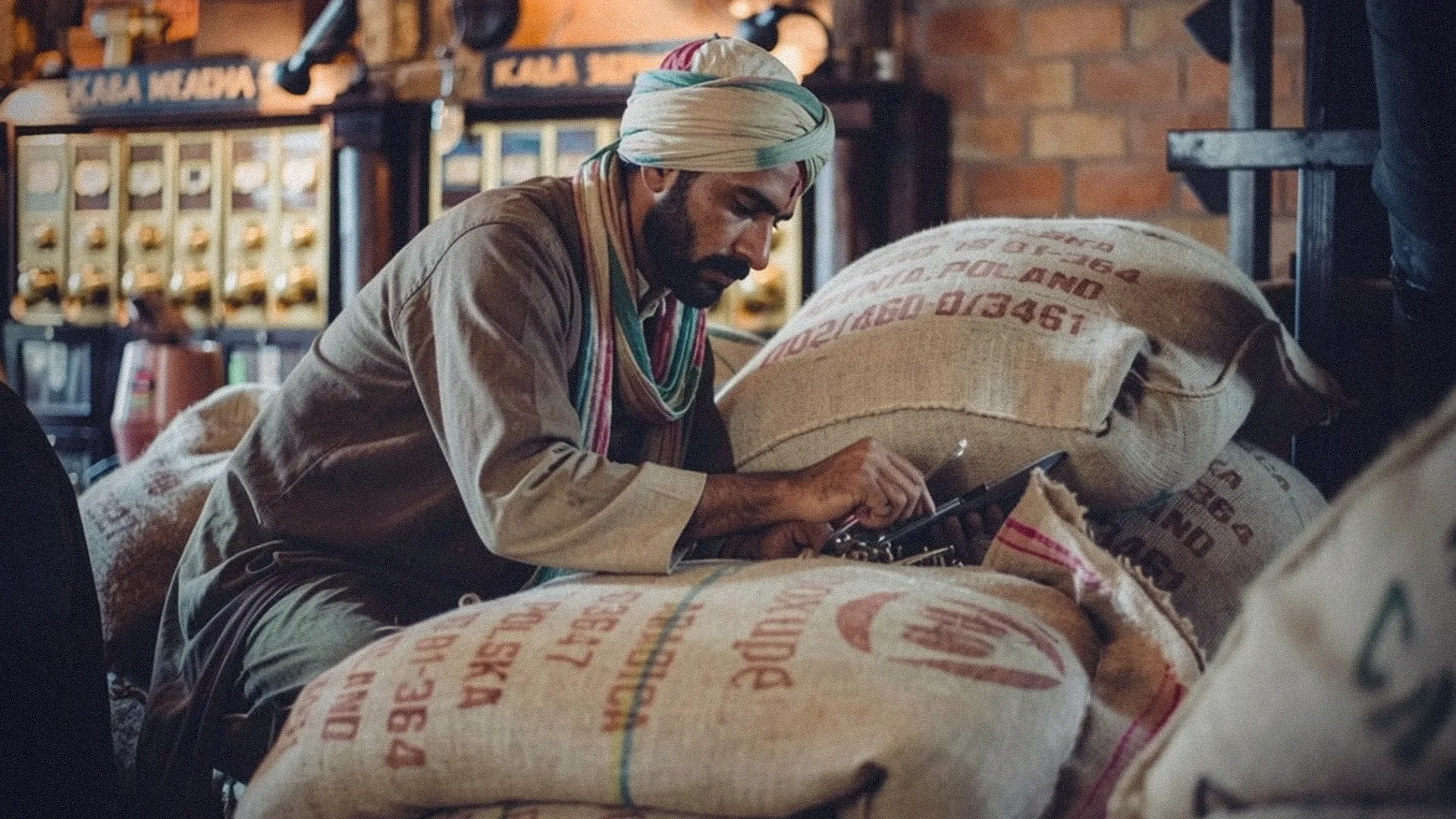
Pakistan's latest decision to clear sugar exports has triggered widespread concerns over imminent domestic price shocks and market shortages across the country.
The Pakistan Sugar Mills Association (PSMA) had claimed a surplus of approximately 1.03 million tonnes and requested permission to export one million tonnes. In response, the Economic Coordination Committee (ECC) approved a limited export of 200,000 tonnes in September, a decision subsequently ratified by the federal cabinet. Following this, the State Bank of Pakistan issued implementation guidelines on October 2 and revised mill-wise export quotas on October 13.
However, economists and consumer advocates warn that relying on industry-supplied surplus figures risks repeating last year’s costly cycle. During the previous cycle, the government permitted the export of nearly 750,000 tonnes of sugar, only to watch retail prices skyrocket past Rs 180 to Rs 200 per kilogramme. To stabilize the market, authorities were ultimately forced to import roughly 300,000 tonnes at significantly higher international prices, depleting foreign exchange reserves.

Interested in this ad?
Would you like to continue to the link or provide your information for more details?
Please provide your information
To continue, please fill in your details
The industry's market conduct has also drawn regulatory scrutiny. In November 2020, the Competition Commission of Pakistan (CCP) issued show-cause notices to PSMA and 84 mills over alleged anti-competitive practices and supply manipulation. More recently, in November 2025, the CCP issued notices to ten Punjab mills over alleged coordination to delay crushing and cap sugarcane procurement prices at Rs 400 per maund.
While mill owners argue that exports are essential to generate liquidity and clear outstanding dues to sugarcane farmers, critics point out that growers remain vulnerable to delayed payments and buyer coordination. With sugar serving as an essential input for households, bakeries, and food manufacturers, any supply miscalculation will once again leave local consumers and farmers bearing the financial burden. As the new crushing season approaches, the effectiveness of official monitoring mechanisms will determine whether the government can prevent private export profits from turning into a public economic burden.