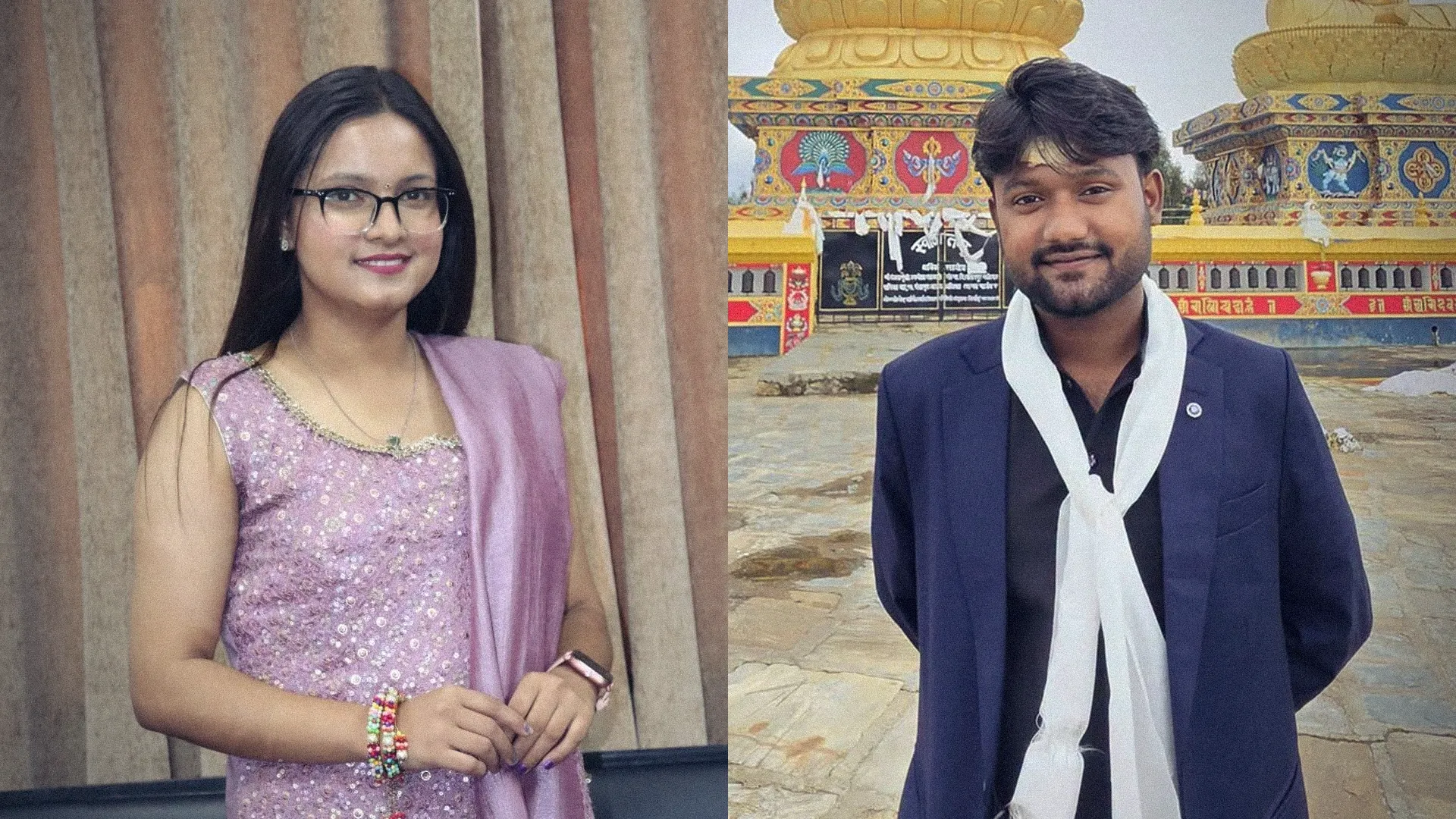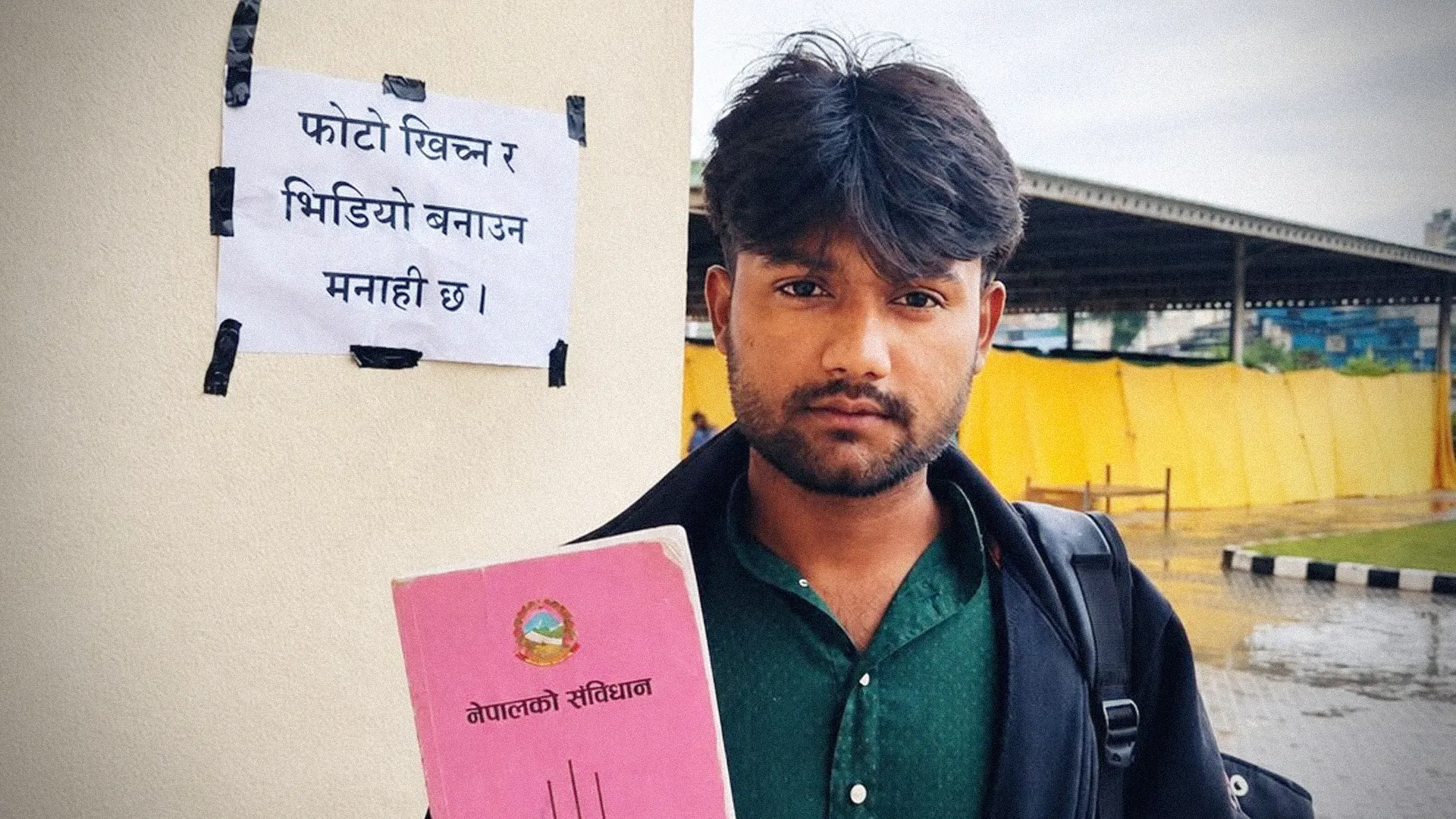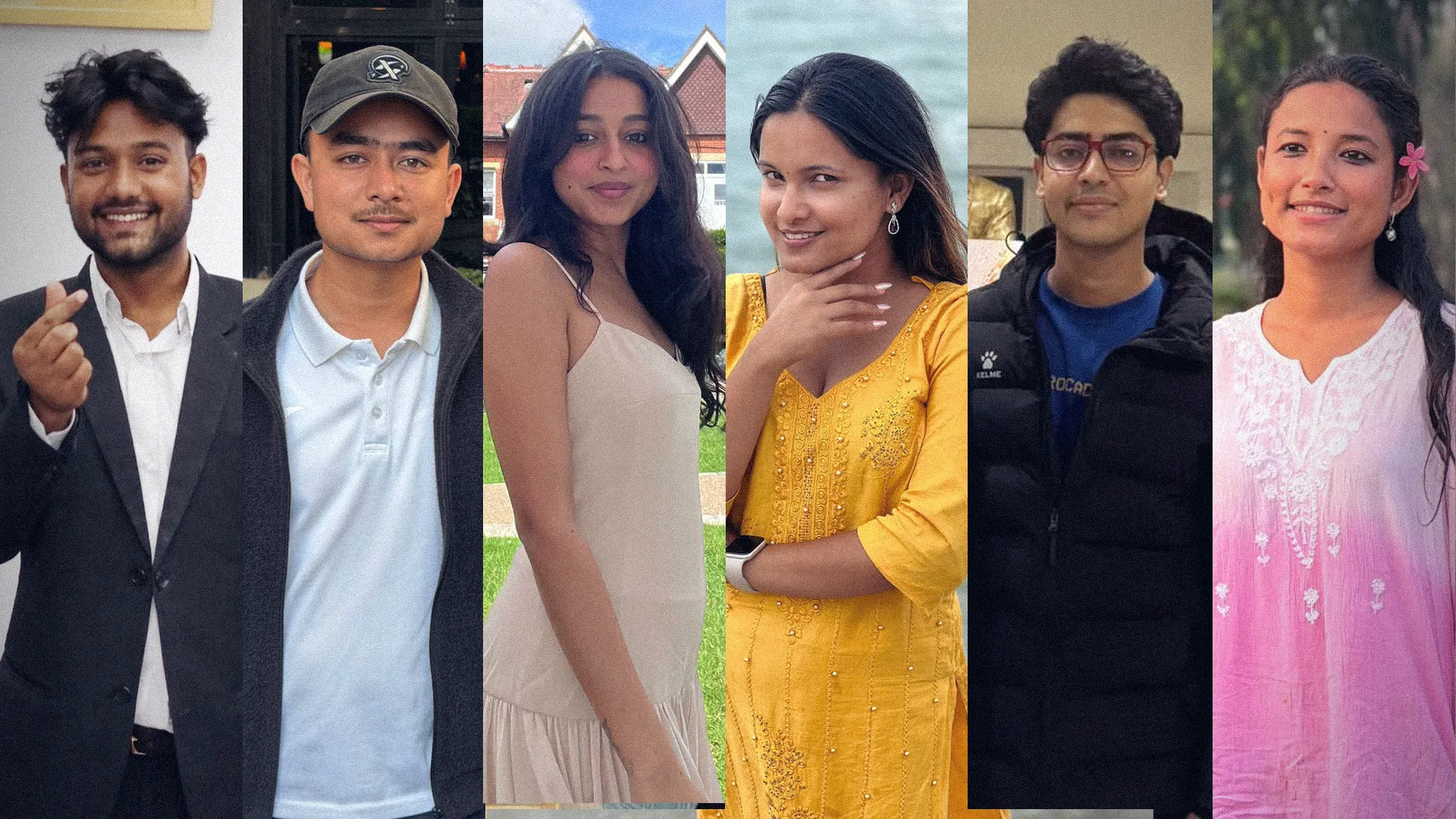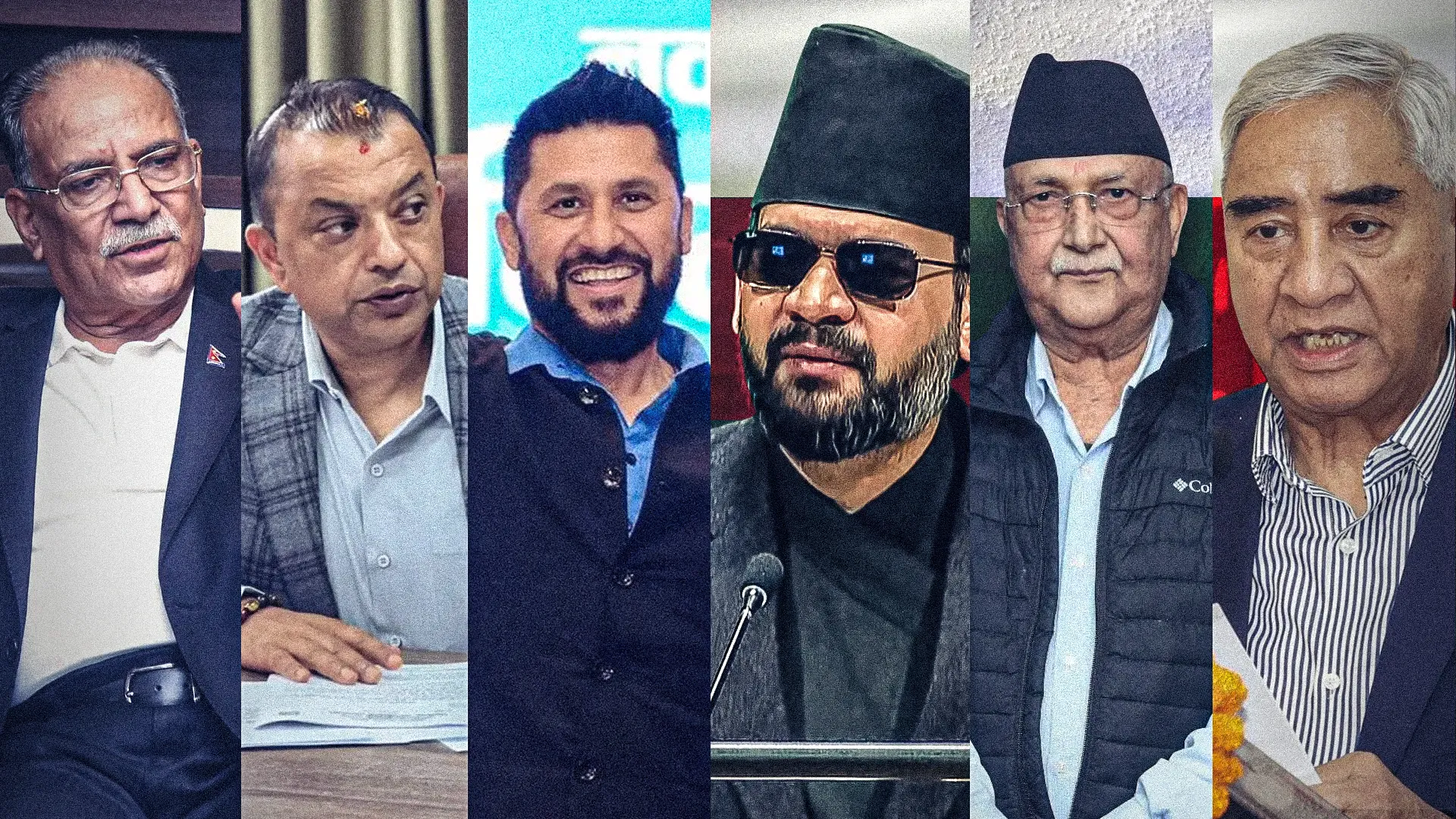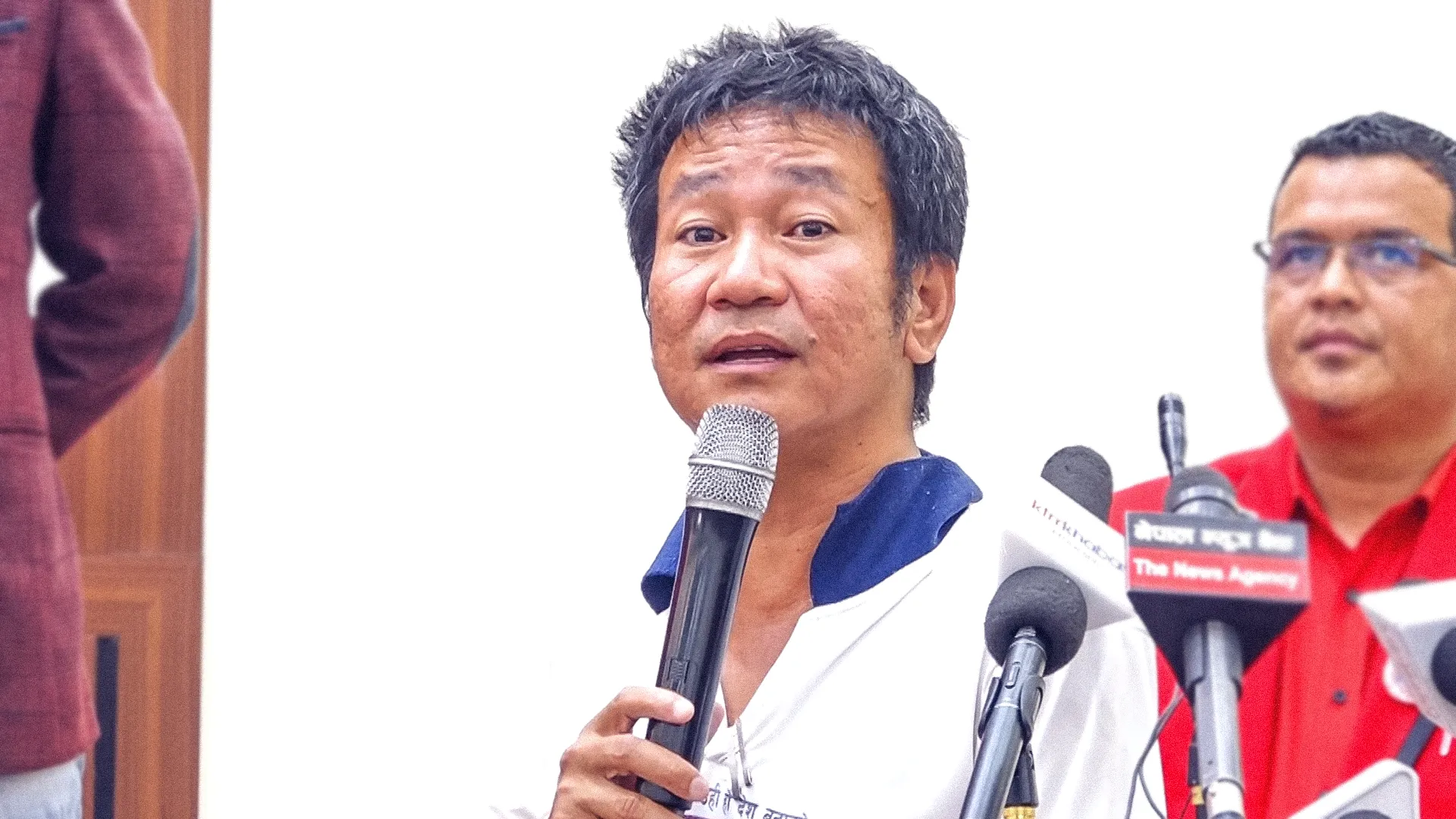



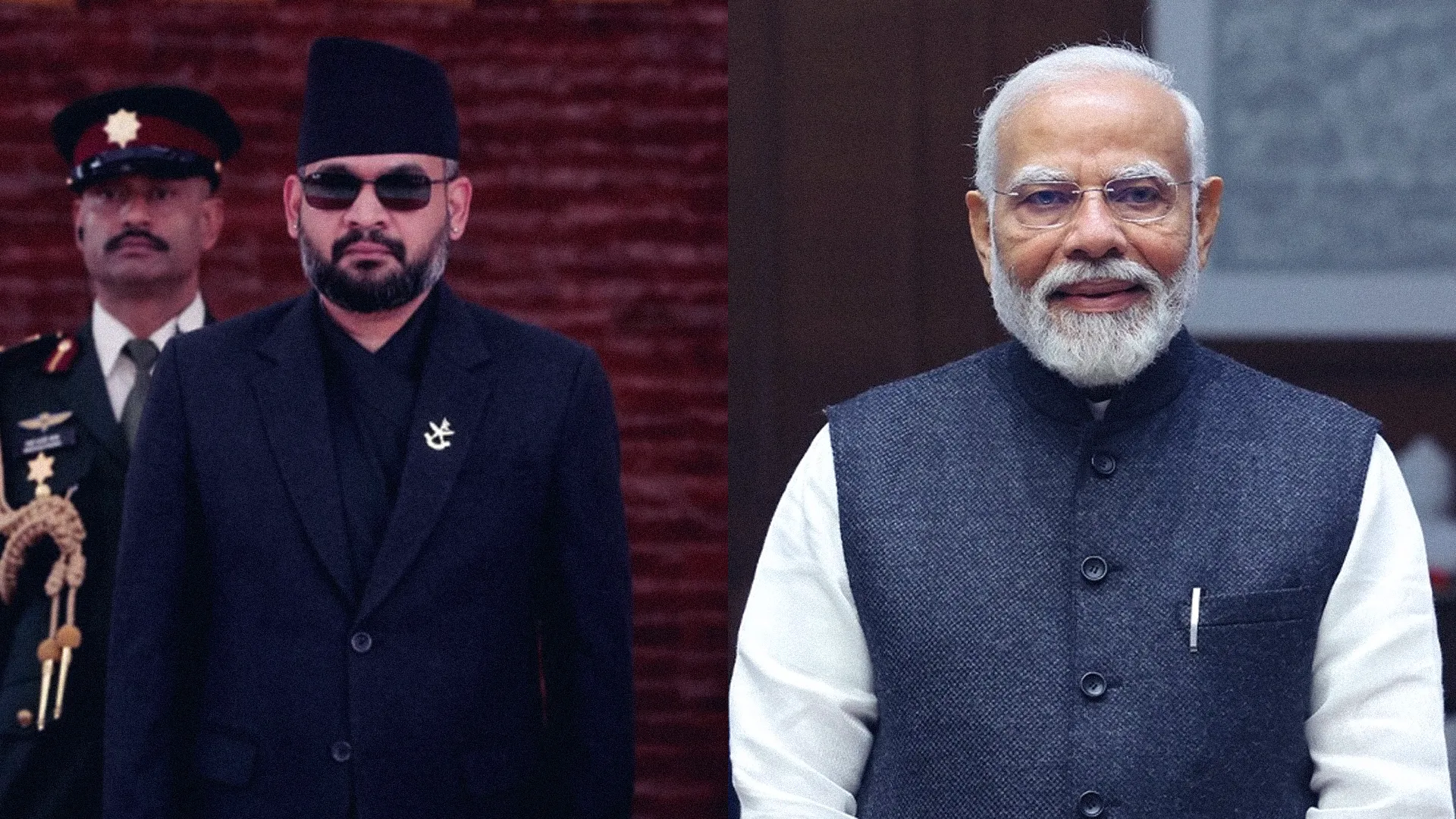
Kathmandu — Prime Minister Balendra Shah is set to visit India from November 23 to 25 (Mangsir 7 to 9). According to sources close to the government, the schedule for this visit was finalized through special initiatives by Nepal in coordination with the Indian government.
Main Agenda: Border Disputes to Hydropower
During the visit, discussions between the two countries are likely to focus on the following key issues:
-
Border Disputes: Prime Minister Shah had previously remarked in parliament regarding border issues between Nepal and India. Additionally, against the backdrop of discussions surrounding the burning of the Sugauli Treaty during the 'Gen Z' movement, there is widespread interest in the strategy to resolve border disputes this time.
-
Flood Disasters and Relief Coordination: India assisted Nepal during the Bhote Koshi floods. As Nepal is an upper riparian nation, floods and natural disasters will be discussed as a shared concern for both Nepal and India.
-
Hydropower and Energy Trade: Talks will focus on facilitating and expanding Indian hydropower projects in Nepal and power trade between the two nations.

Interested in this ad?
Would you like to continue to the link or provide your information for more details?
Please provide your information
To continue, please fill in your details
How Was the Visit Finalized? (Behind-the-Scenes Diplomacy)
The Ministry of Foreign Affairs has not provided any official information regarding this visit. According to sources, rumors had circulated that the Prime Minister's Chief Advisor, Kumar Benjenkar (Kumar Ben), quietly traveled to India a while ago to meet Indian National Security Advisor (NSA) Ajit Doval. However, this meeting between Kumar Ben and Ajit Doval has not been officially confirmed. It is claimed that the visit was arranged through the direct initiative of Chief Advisor Kumar Ben rather than formal diplomatic channels (Ministry of Foreign Affairs).
Delegation and Internal Political Waves
The delegation accompanying the Prime Minister has not yet been finalized. Either Foreign Minister Shishir Khanal, Chief Advisor Kumar Ben, or both are likely to join the visit. Speculation suggests that if the visit was arranged without the direct involvement of the Ministry of Foreign Affairs, the Foreign Minister might not participate despite it being a prime-ministerial visit. Meanwhile, political circles have begun making comparisons to the high-level reception previously accorded to Rastriya Swatantra Party (RSP) Chairman Rabi Lamichhane during his visit to India. Given that Foreign Minister Khanal is considered close to Lamichhane, interest centers on how Lamichhane will react to the visit being arranged via an advisor bypassing the ministry, and what kind of welcome India will extend to PM Shah.