

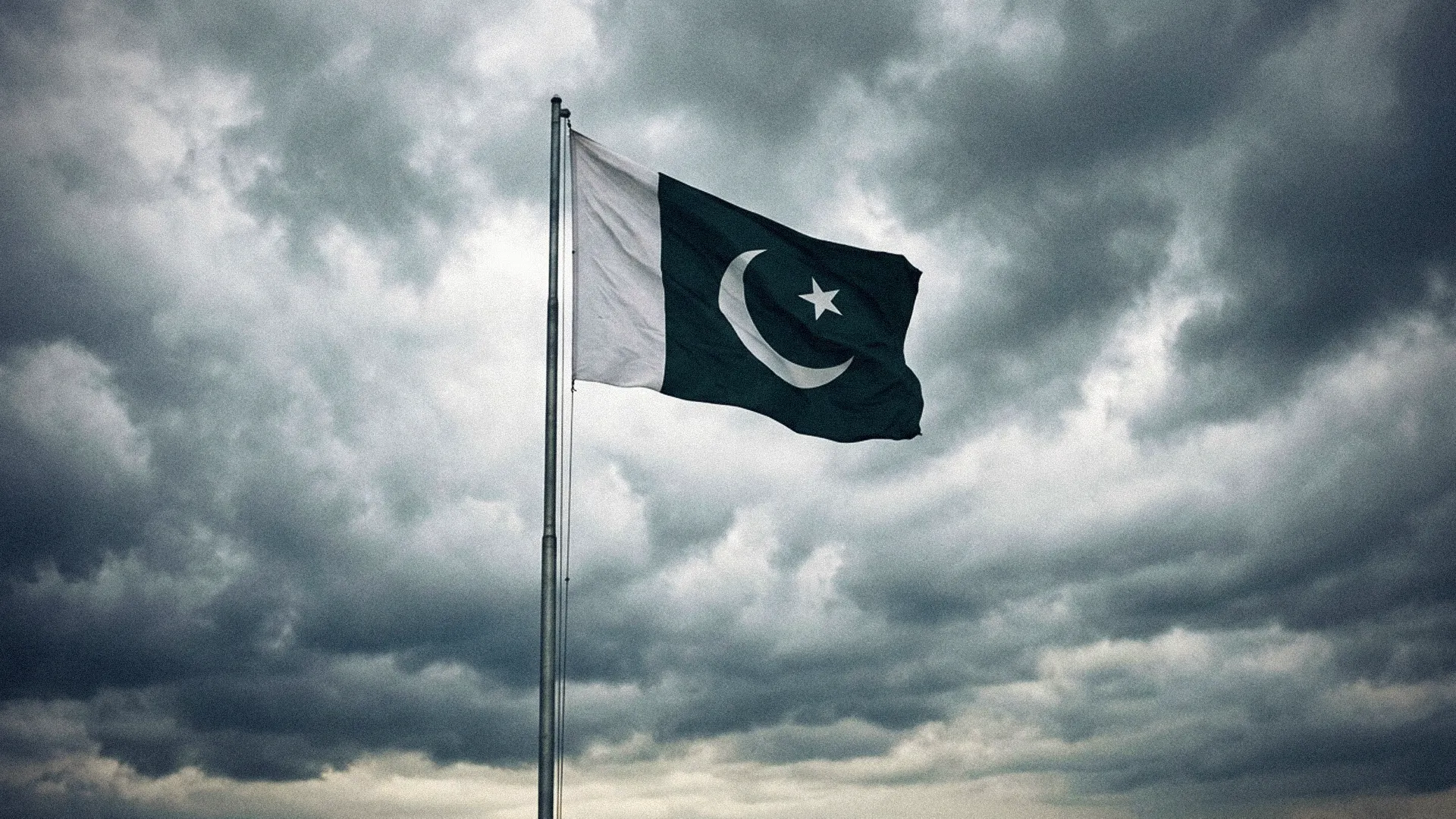
Pakistan is attempting to present itself as a mediator power standing for peace and dialogue in regional crises. Islamabad has sought to establish its role through diplomatic dialogue and talks, particularly amid regional tensions involving Iran. However, questions are beginning to arise regarding the real impact and cost of this 'peace diplomacy' put forward by Pakistan.
For Pakistan, such a diplomatic role is also an opportunity to expand its regional and international influence. Instead of becoming a direct military party in conflicts, if Islamabad can play the role of talks, communication, and mediation, it can present itself as an essential power for regional stability.
However, the role of mediation is inherently challenging. Pakistan must maintain trust among various parties while balancing its own strategic, economic, and security interests. If excessive closeness to one party is perceived, its credibility as a mediator could be questioned.

Interested in this ad?
Would you like to continue to the link or provide your information for more details?
Please provide your information
To continue, please fill in your details
Pakistan's internal situation is also crucial for such a diplomatic role. Amid economic pressure, political tension, and security challenges, Islamabad must link external diplomacy with its national interest. Therefore, Pakistan's 'peace efforts' are seen not merely as a matter of regional stability, but also as an attempt to secure its own strategic position.
This has created a difficult balance for Pakistan—the balance between claiming to be a mediator for peace and the need to secure its national and strategic interests. How much regional powers trust Pakistan's role and what results its diplomatic efforts yield in real dialogue or de-escalation will determine the impact of this campaign.