

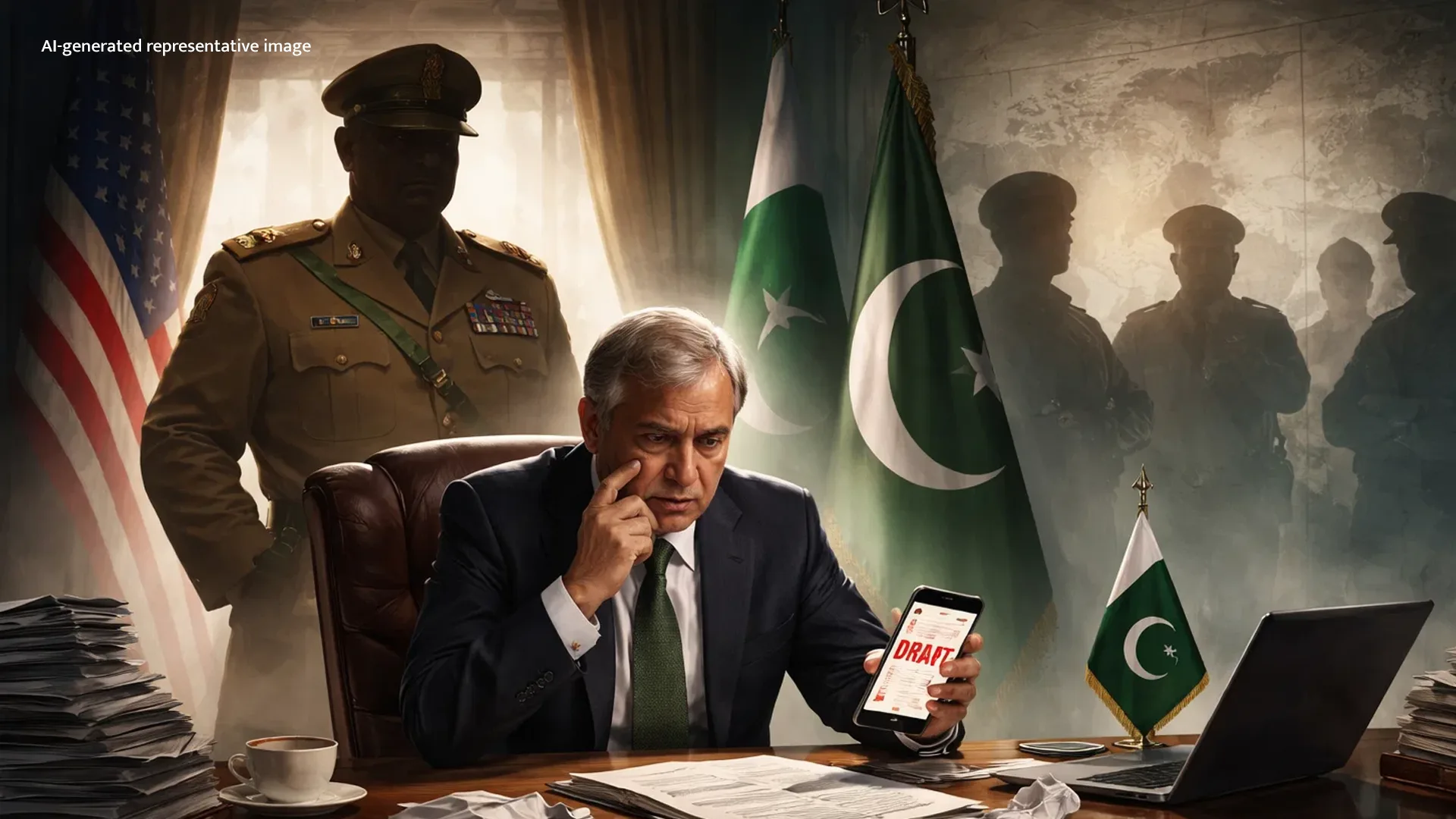
The recent "Draft Tweet" incident involving the Pakistani Prime Minister has transcended a mere digital error, evolving into a significant discourse on the country’s actual decision-making hierarchy. When a message intended for public release was later revealed to be a "draft," it inadvertently fueled long-standing suspicions regarding the autonomy of the elected civilian government versus the overarching influence of the military establishment.
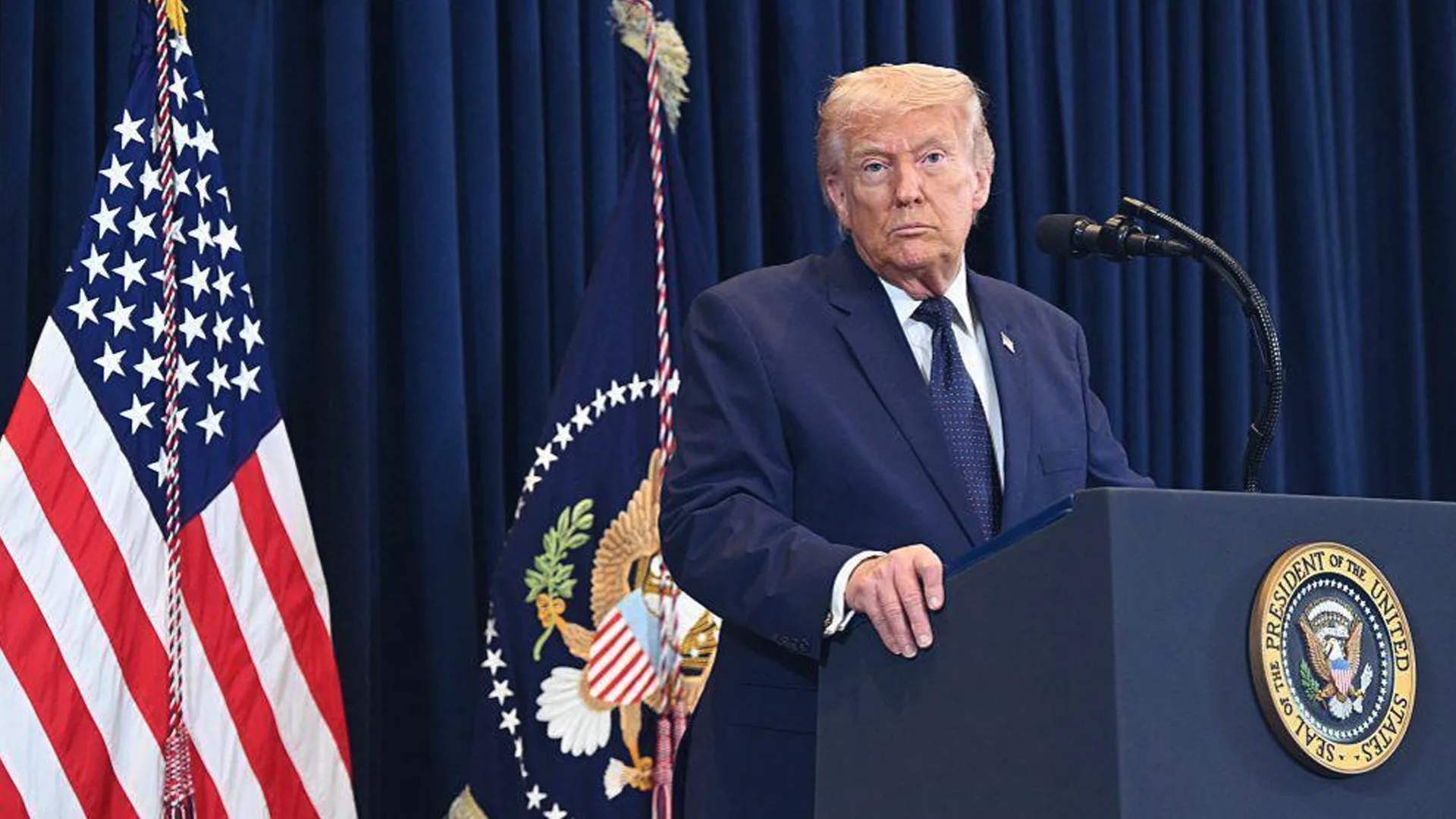
This development highlights deep-rooted institutional vulnerabilities within Pakistan's governance. Critics argue that the confusion surrounding high-level communications suggests that major policy directions are often steered by powerful entities outside the democratic framework. Such inconsistencies are particularly damaging when they touch upon sensitive international relations, including ties with the United States and Iran, as they risk eroding the nation's diplomatic credibility and creating confusion among global allies.

Interested in this ad?
Would you like to continue to the link or provide your information for more details?
Please provide your information
To continue, please fill in your details
Beyond a simple lapse in communication, analysts view this as a symptom of a lack of transparency and systemic clarity in the corridors of power. On platforms as instantaneous as social media, these errors do not just vanish; they weaken public confidence and cast doubt on the leadership’s capability to maintain political stability.
Ultimately, the controversy serves as a stark reminder of the delicate balance of power in Pakistan. Moving forward, the incident is likely to have lasting repercussions on how both domestic citizens and international partners perceive the effectiveness and transparency of the Pakistani administration.