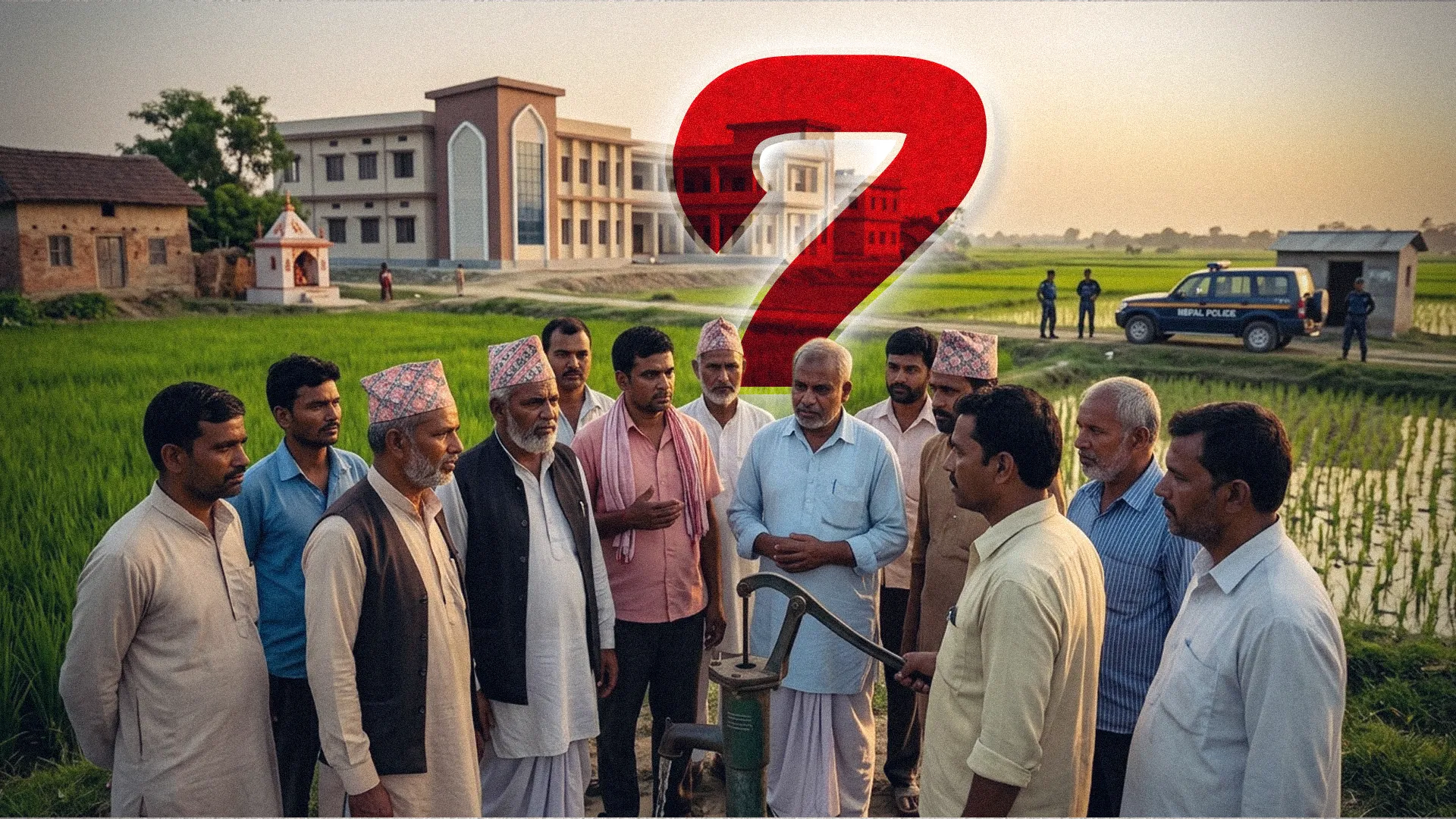


Akanksha Dhami - On Bhadra 10, the unexpected flood and landslide in the Bhote-Khoshi region of Rasuwa did not only sweep away houses, roads, and physical infrastructure; it also washed away the dreams, hopes, and loved ones of many families. This disaster occurring right before our eyes has stunned us once again.
Probably after the great earthquake of 2015 (2072 BS), Nepali society has had to feel the pain of such a massive loss of life and property once again. In this hour of disaster, words feel weak and tears feel insufficient. But a deep question arises from within the heart– what is the responsibility of us who survived?
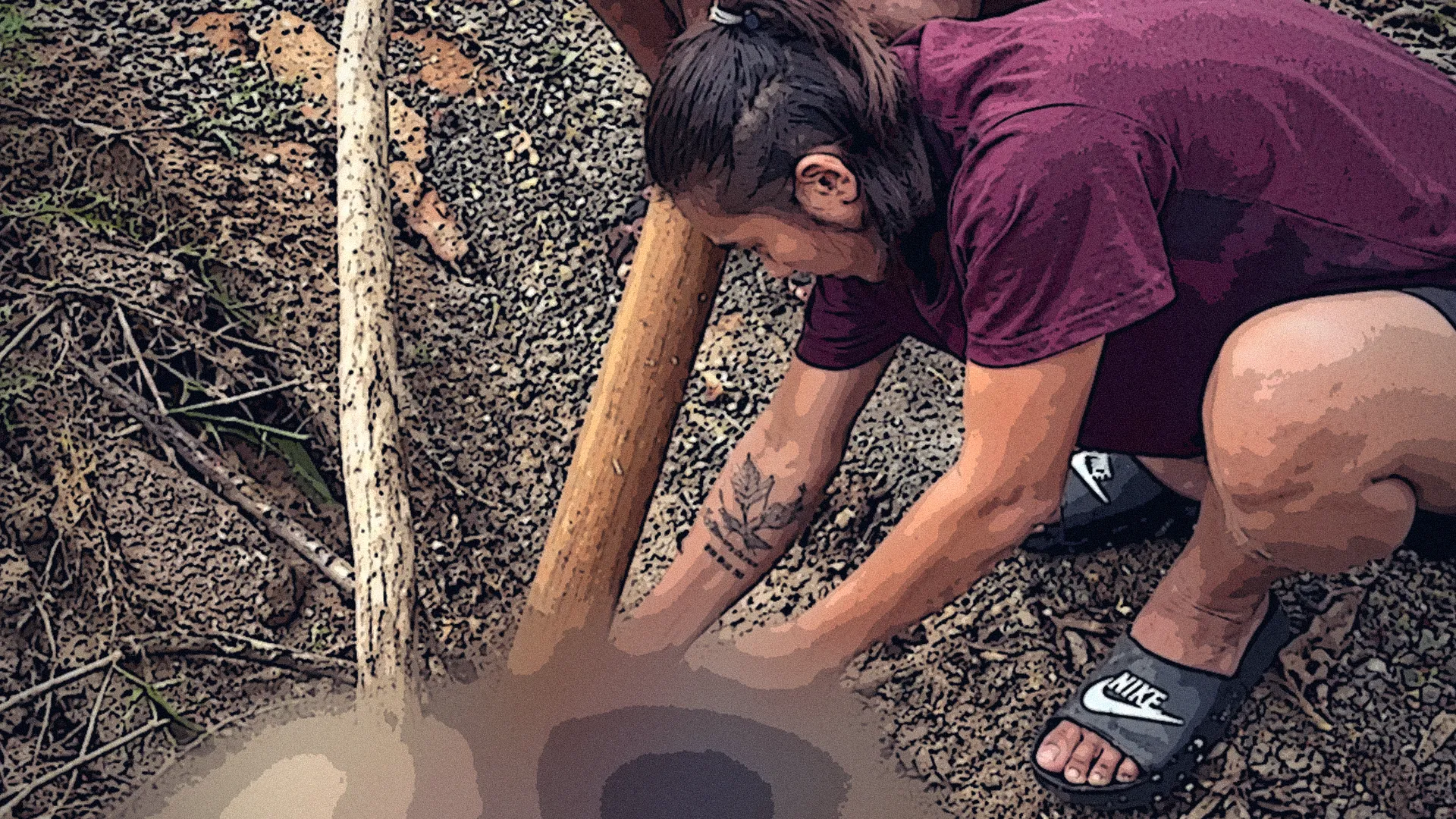
Seeing the corpses washed away by the flood sends chills down the spine. But amid that tragedy, scenes were also seen on social media of people removing jewelry from dead bodies and hoarding flood-drifted gas cylinders and other goods in their houses. Those scenes gave birth to another pain greater than the pain of the flood. Has our humanity also started flowing away with the floodwaters?
The flood brought corpses and gas cylinders together. But such irony was seen– hands moved forward to pull the gas cylinders, but the human corpse brought by the flood was left to float away without being rescued.
However, it would not be fair to blame the entire society on the same scale. There are also those who risk their lives to engage in rescue operations during disasters. There are those who cut back on their own meals to wipe the tears of strangers. There are those who carry relief day and night to reach those in need. Therefore, the question is not just whether humanity was lost or not, but if humanity lives around us, whose responsibility is it to make it even stronger?
The government must lead the rescue, relief, and rehabilitation effort. But a disaster is not just a test for the government; it is also a test for society. State mechanisms may take time to reach for rescue operations. Until then, the hands of neighbors, the courage of local youth, the activity of volunteers, and the empathy of common citizens can become a lifeline for someone.
However, the attention of many among us sometimes turns toward mobile cameras rather than rescue efforts. The tendency to make scenes out of someone’s sorrow, record the horrors of the disaster site, spread unverified information, and engage in the race to gain views and go viral can add another pain on top of the victims' pain.

Interested in this ad?
Would you like to continue to the link or provide your information for more details?
Please provide your information
To continue, please fill in your details
Let us remember, even a piece of false information during a disaster can become a huge mental trauma for someone’s family. How deep must the pain be for a family anxiously waiting for news of a missing relative when they see unverified death reports floating on social media? Therefore, every word must be responsible, every piece of information must be verified, and human empathy must be remembered before making any scene public during a disaster.
A disaster is not a time to watch a spectacle, nor is it a time to earn views. It is not a time to make content out of others' grief. This is a time to stand together with human beings as human beings.
We are fortunate that we survived. If our relatives are safe, that is not just our good fortune, but also a great responsibility. Our house that is safe today can become a shelter for someone else tomorrow. A blanket, a sack of rice, a bottle of water, a medicine, or a few hours of labor in our hands today can become a major support for someone’s life.
Therefore, let us ask ourselves a question, 'What can I do in this disaster?' Perhaps not all of us can become rescue workers, nor can everyone reach the scene, but we can help with relief. We can spread correct information and stop false information. We can respect the victims, assist those involved in rescue operations, and at least decide not to turn others' grief into a spectacle.
A crisis does not only break houses and roads; it also reveals the character of society. A disaster uncovers our inner greed and empathy, self-interest and collectivism, silence and courage. Today, victims in disaster-affected areas including Bhote-Khoshi, Rasuwa, Dhading, and Nuwakot need our support. They need not just relief materials, but the belief that human beings are still human.
We who are alive by chance, whose stoves are burning today, whose loved ones are safe– our responsibility is even greater than others. Come, let us prove the meaning of Nepaliness once again in this difficult hour of disaster.
Let us offer support, not watch a spectacle in times of grief. Let us choose life, not views. Let us speak the truth, not rumors. Let us choose humanity, not self-interest. Because who survives a disaster is not always in our hands, but how survivors use their remaining lives is certainly in our hands.
When a disaster strikes, it is not only a test of how safe we are, but also a test of how humane we are. Today it is our turn to stand with others in their grief, and tomorrow those same hands may become our support. Therefore, let us save humanity in times of disaster.