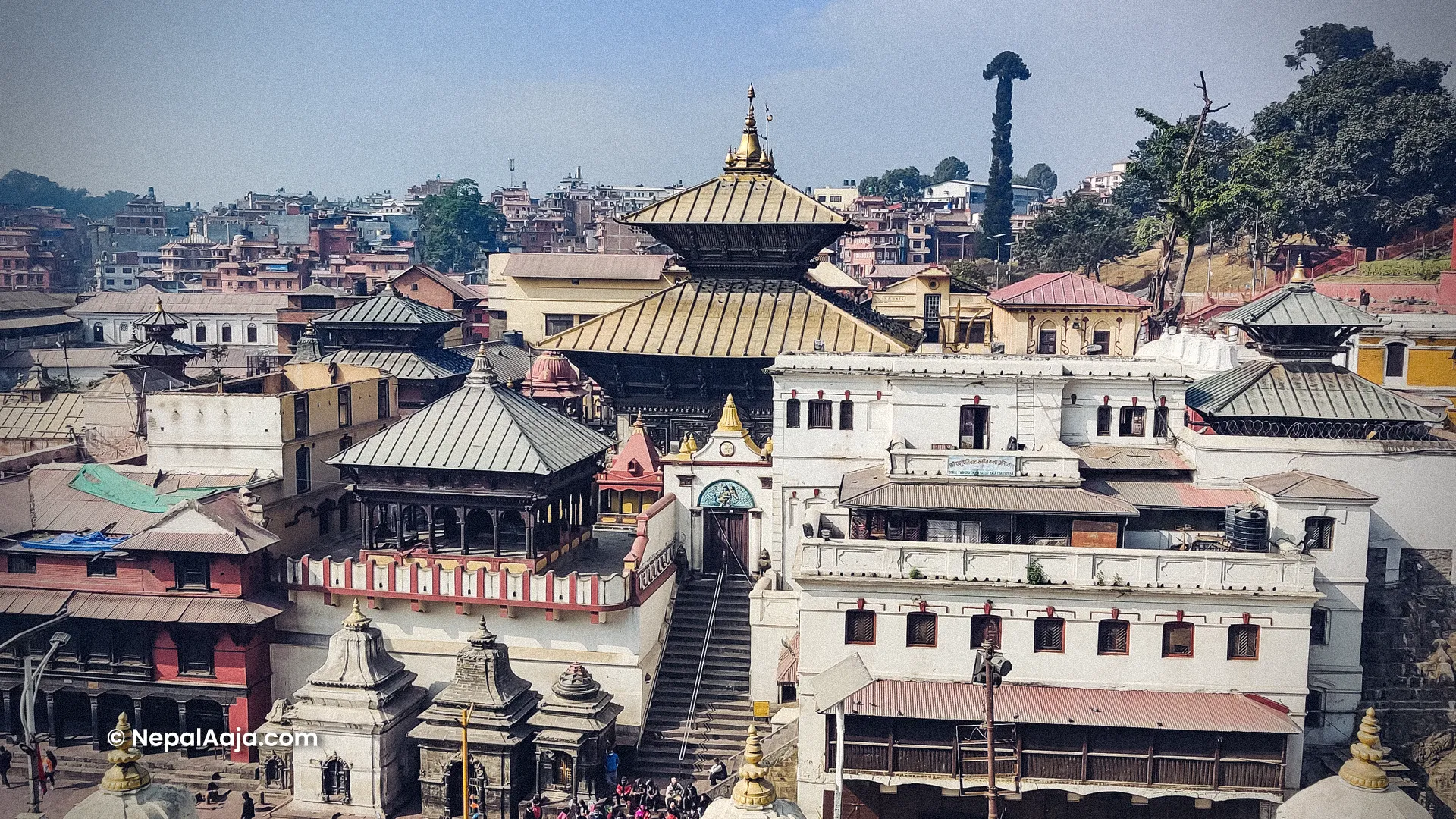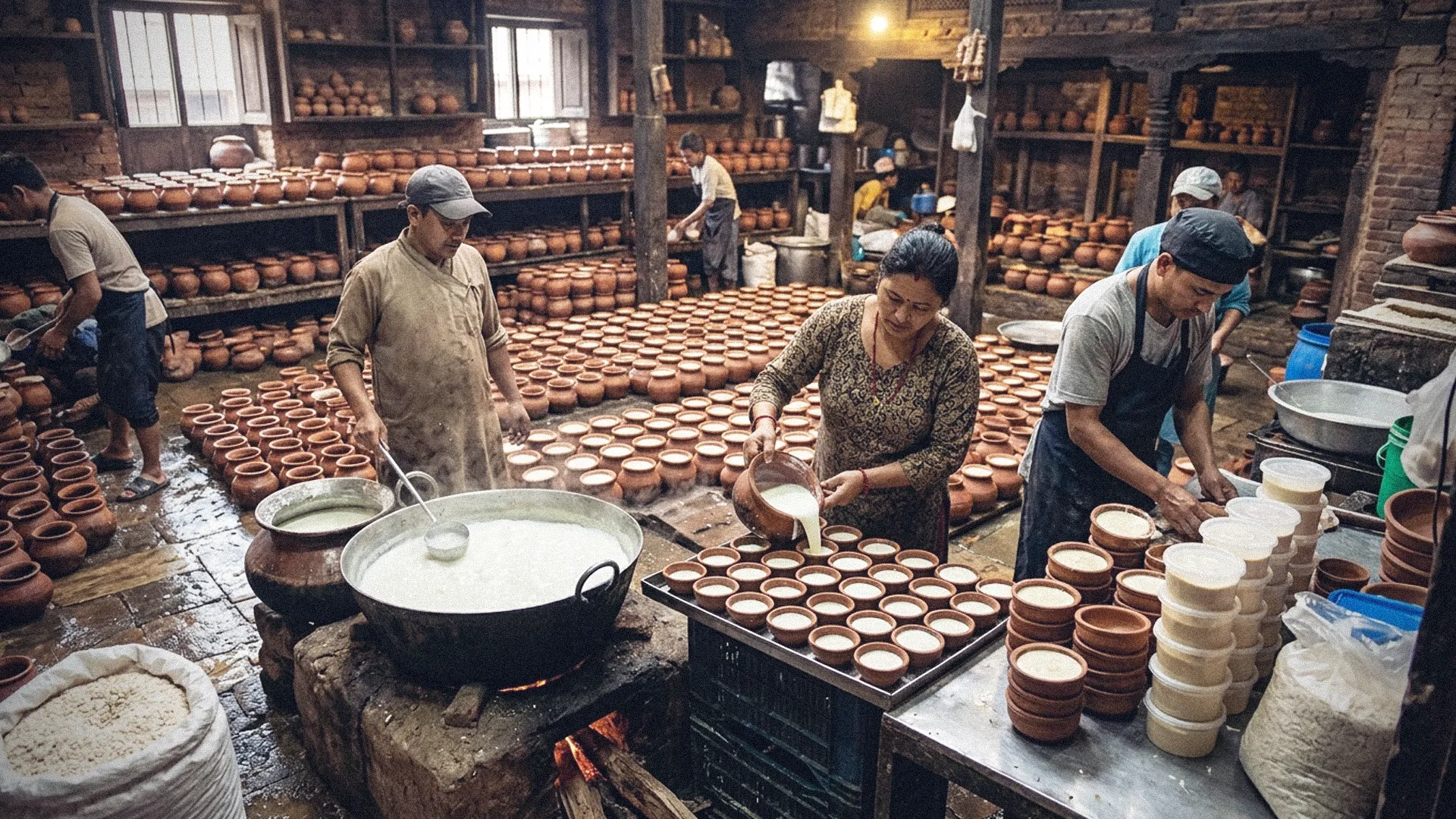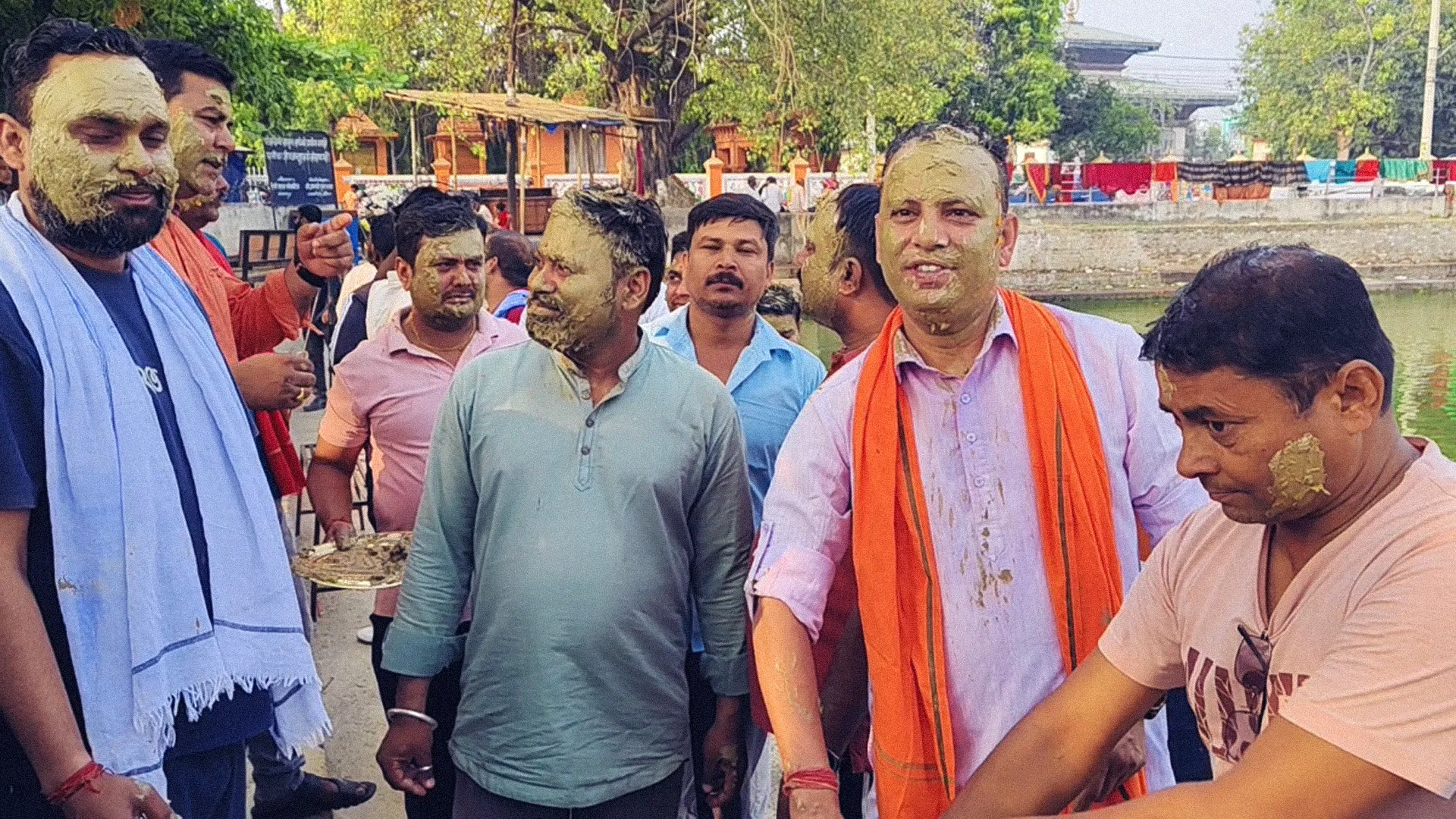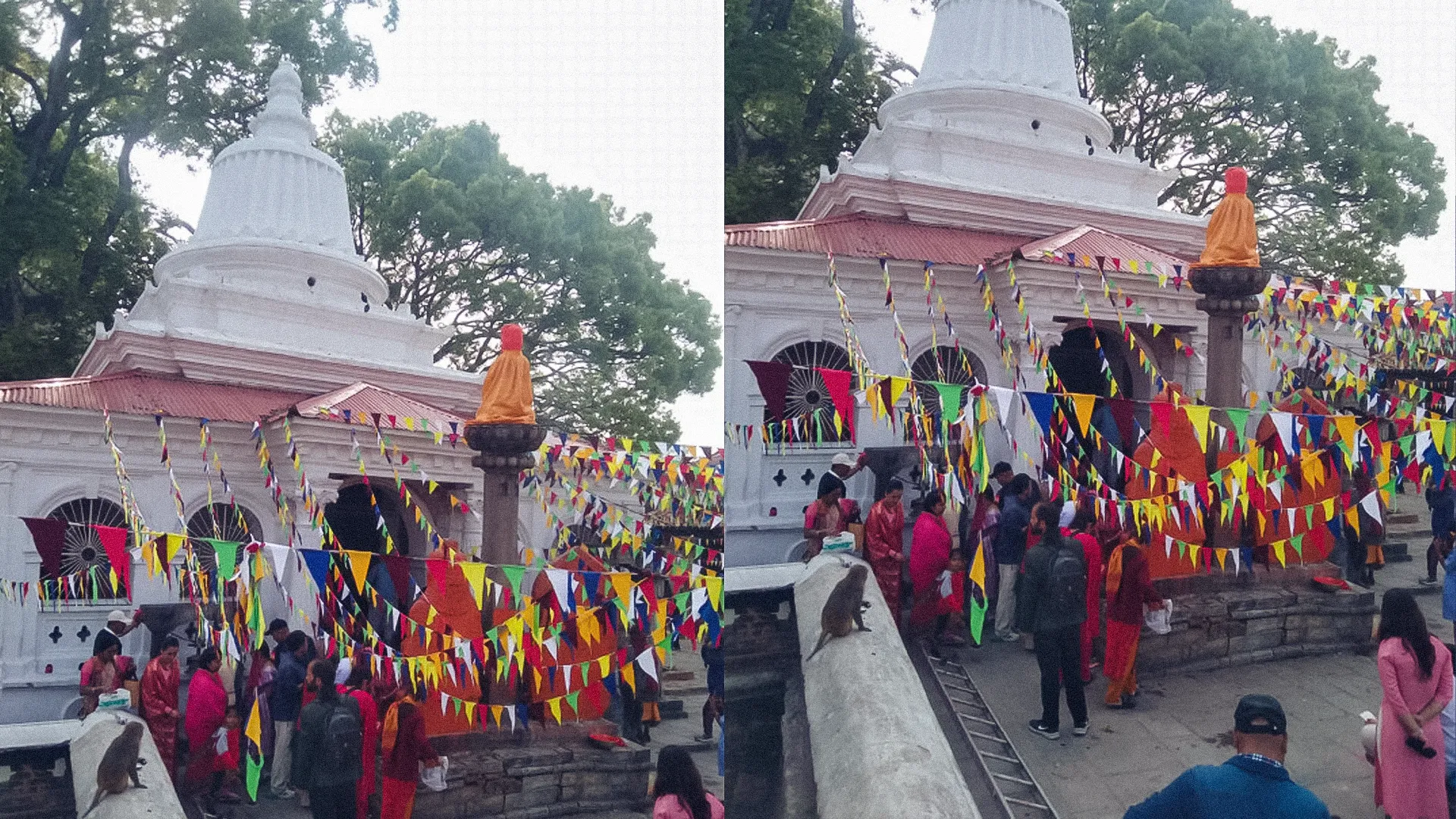


Baishakh 1 has transcended its status as a mere calendar date to become a profound global phenomenon, bridging the gap between human civilization and the natural world. Marking the Sun’s transition into Aries—known as Mesha Sankranti—this day serves as a universal launchpad for aspiration, purification, and collective prosperity across diverse continents.
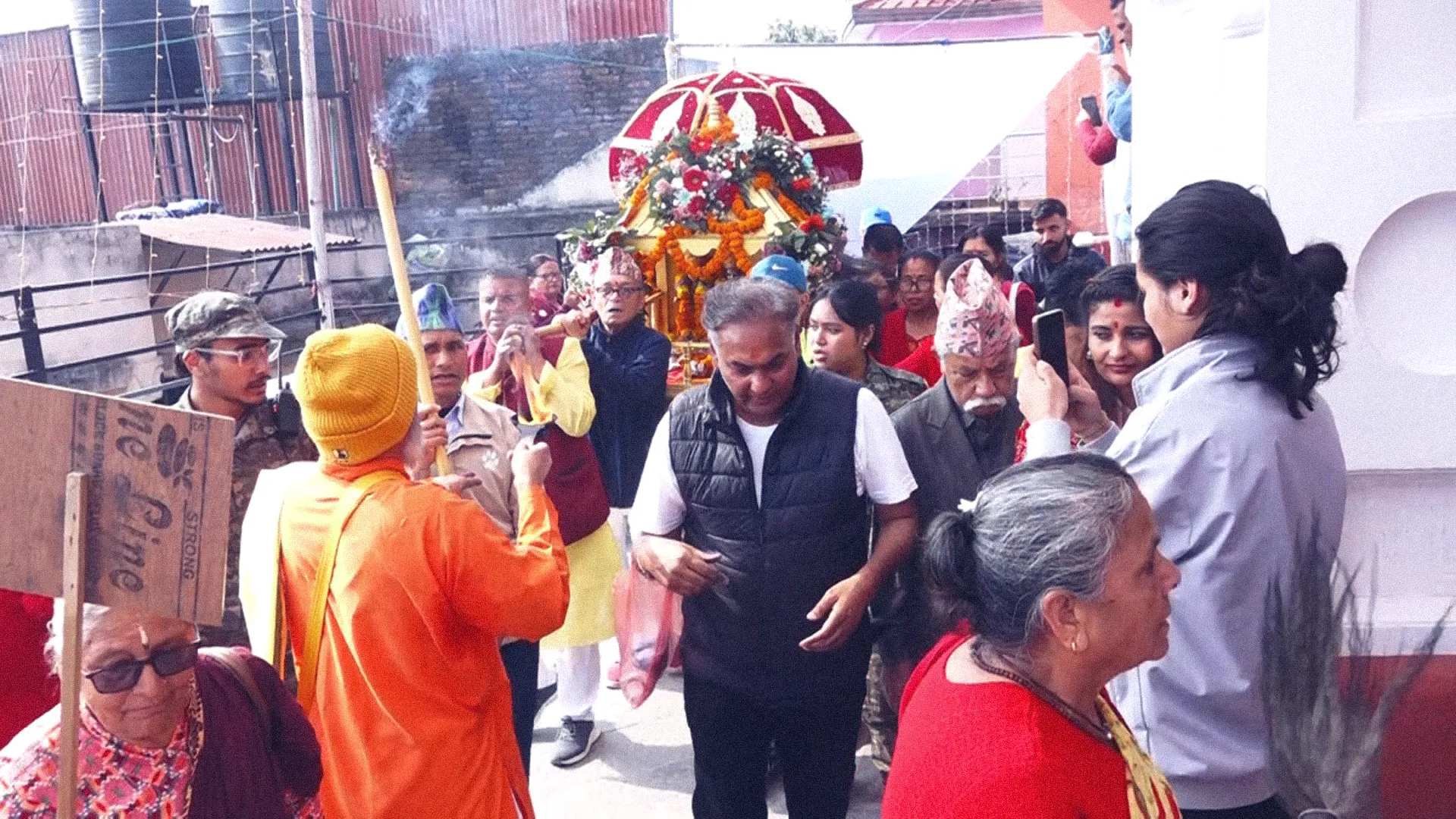
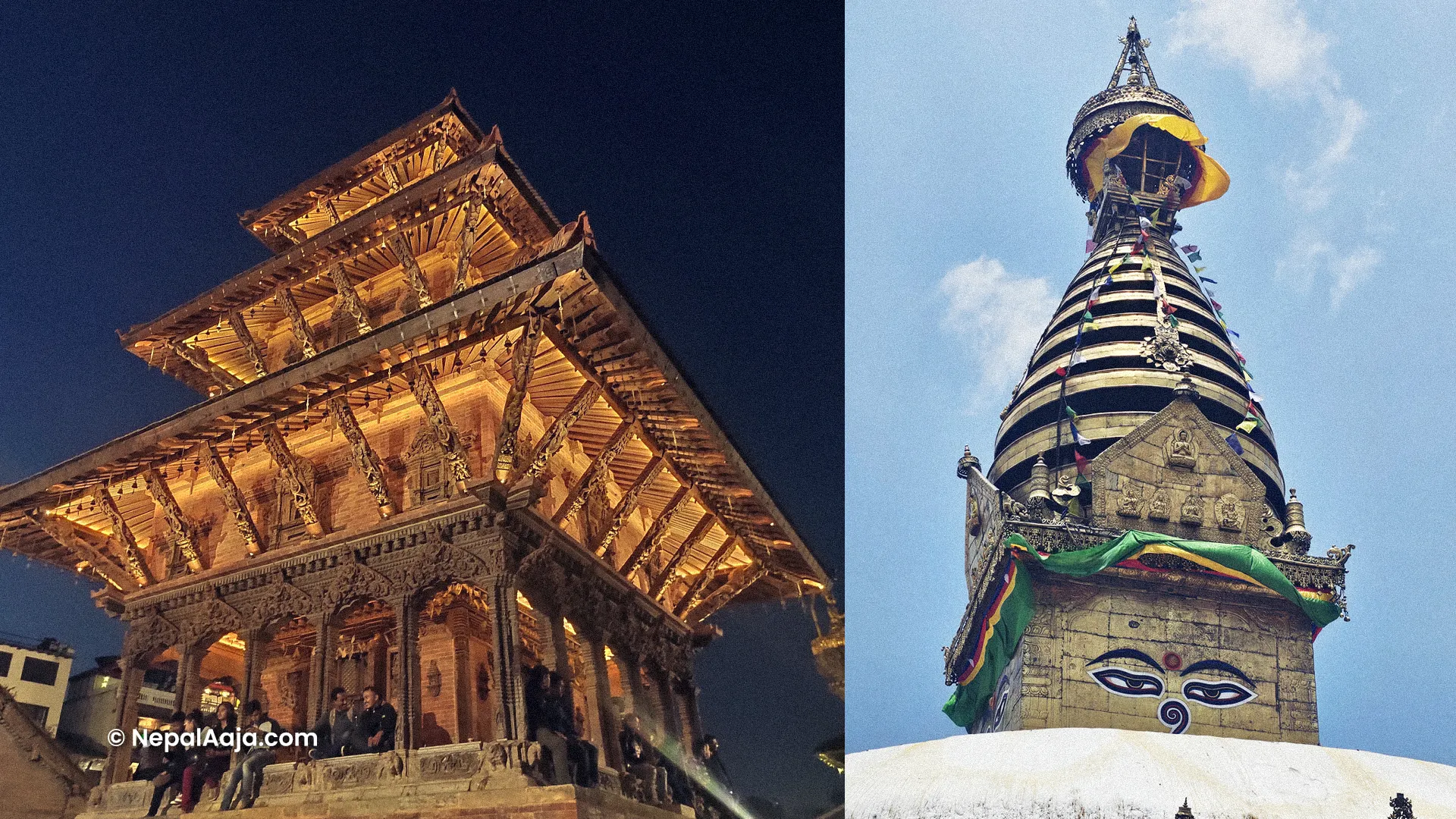
In Nepal, the atmosphere is electric with the legendary Bisket Jatra in Bhaktapur, while families engage in traditional rituals of cleansing and communal harmony. This spirit of renewal extends deeply into India, where the fields of Punjab roar with the drums of Baisakhi, and the southern states of Tamil Nadu and Kerala welcome the year with sacred displays of gold and mirrors, believing that a glimpse of auspicious items at dawn secures a year of fortune.
The celebration takes a vibrant, aquatic turn in Southeast Asia. Thailand’s Songkran, alongside similar traditions in Myanmar, Laos, and Cambodia, utilizes water as a primary element to wash away past grievances. These nations transform their streets into joyous arenas where perfumed water symbolizes the washing away of sins, attracting tourists from every corner of the globe to witness the spiritual cleansing.

Interested in this ad?
Would you like to continue to the link or provide your information for more details?
Please provide your information
To continue, please fill in your details
The festival’s reach now stretches far beyond Asian borders. In the sprawling urban centers of Canada, the United Kingdom, and the United States, the South Asian diaspora has turned Baishakh 1 into a showcase of cultural resilience. From massive parades in London to traditional music echoing near the Sydney Opera House and Times Square, the day has become a vital bridge for passing heritage to younger generations.
Scientifically and astrologically, this transition represents the completion of a 365-day solar cycle, sparking a surge of fresh energy recognized by enthusiasts worldwide. As Baishakh 1 continues to evolve, it stands as a testament to the shared human experience—a moment where geography fades and a unified sense of hope and excitement takes center stage.