

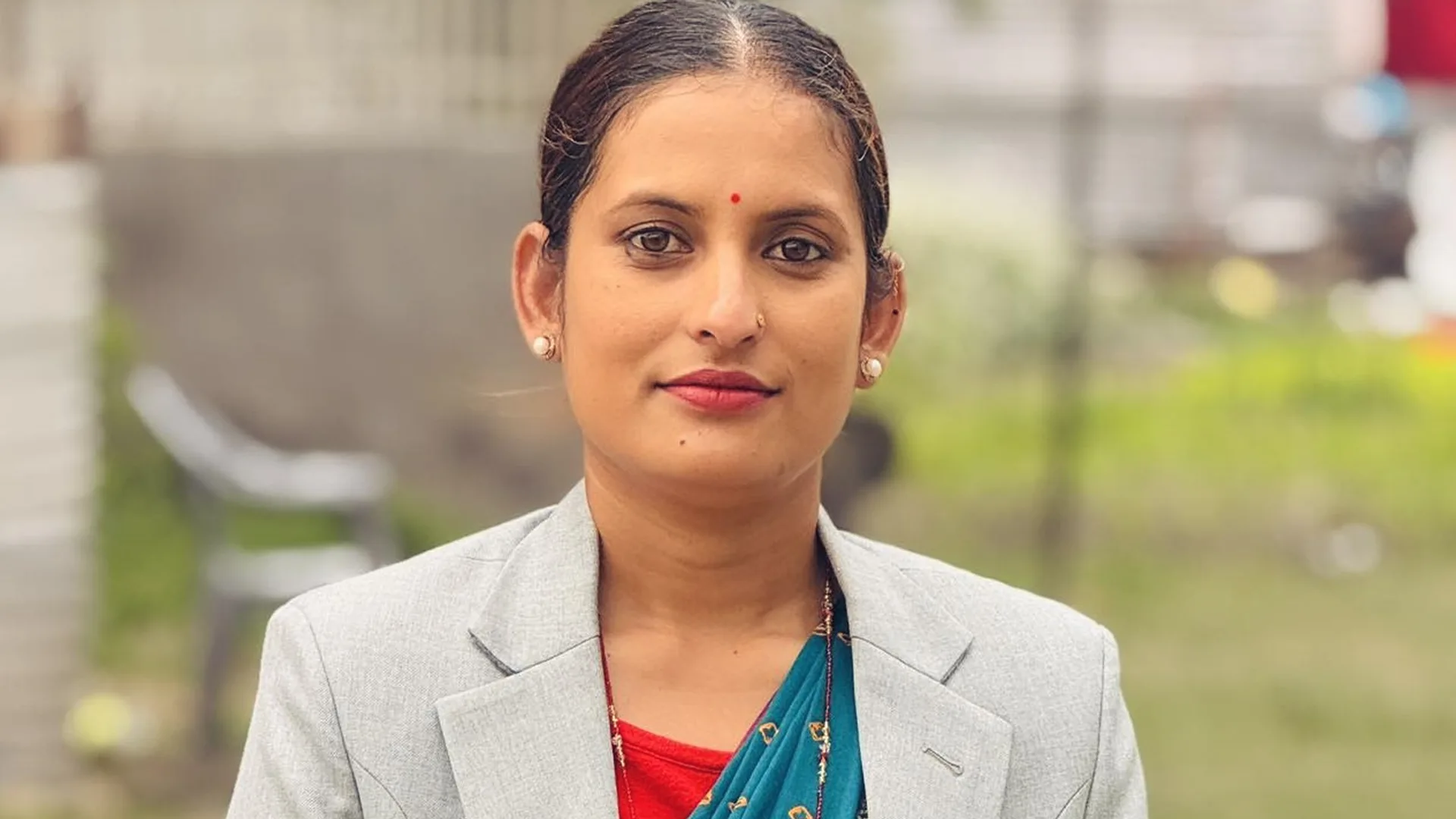
Nepal’s efforts to advance women’s rights have produced notable gains in political representation, education and social participation, yet longstanding social challenges remain a significant obstacle, according to Minister for Women, Children, Gender and Sexual Minorities and Social Security Sita Badi.
Marking the Eighth National Women’s Rights Day, the minister extended greetings to Nepali women at home and abroad, as well as individuals and organizations working in the field of women’s rights. She described the occasion as an important reminder of the country’s journey toward securing women’s rights and promoting equality.
The day is being observed under the theme “Respect for Women’s Rights: A Campaign for Self-Reliance and Prosperity.” Badi recalled that the observance is linked to a historic parliamentary resolution passed on Jestha 16, 2063 BS, which endorsed key measures including citizenship rights through either parent, minimum one-third female representation in state structures, the removal of discriminatory laws and efforts to end violence against women.
According to the minister, constitutional and policy reforms have helped increase women’s participation in local governments, provincial assemblies, the federal parliament and the Council of Ministers. She noted that the Constitution guarantees women a range of fundamental rights, including equal lineage rights, reproductive health protections and participation in state institutions through proportional inclusion.

Interested in this ad?
Would you like to continue to the link or provide your information for more details?
Please provide your information
To continue, please fill in your details
Badi also pointed to improvements in several social indicators, including reduced maternal mortality, rising female literacy and the growth of women’s entrepreneurship. She said recent expansions in the ministry’s responsibilities would further strengthen efforts in women’s rights and broader social protection programs.
Despite these achievements, she emphasized that challenges such as child marriage, gender-based violence, domestic abuse and harmful traditional practices continue to affect women across society. These issues, she said, remain barriers to empowerment and the creation of a just society.
The minister called on all three levels of government to coordinate policies, plans and programs aimed at bringing meaningful improvements to women’s lives, stressing that national prosperity cannot be achieved without substantive progress in women’s welfare and equality.