

The plains of Mithila and Madhesh are currently immersed in the vibrant celebrations of Juda Sheetal, a festival that serves as a profound bridge between human society and the natural environment. Observed on the second day of the Maithili New Year, this tradition highlights the values of brotherhood, coexistence, and ecological stewardship.
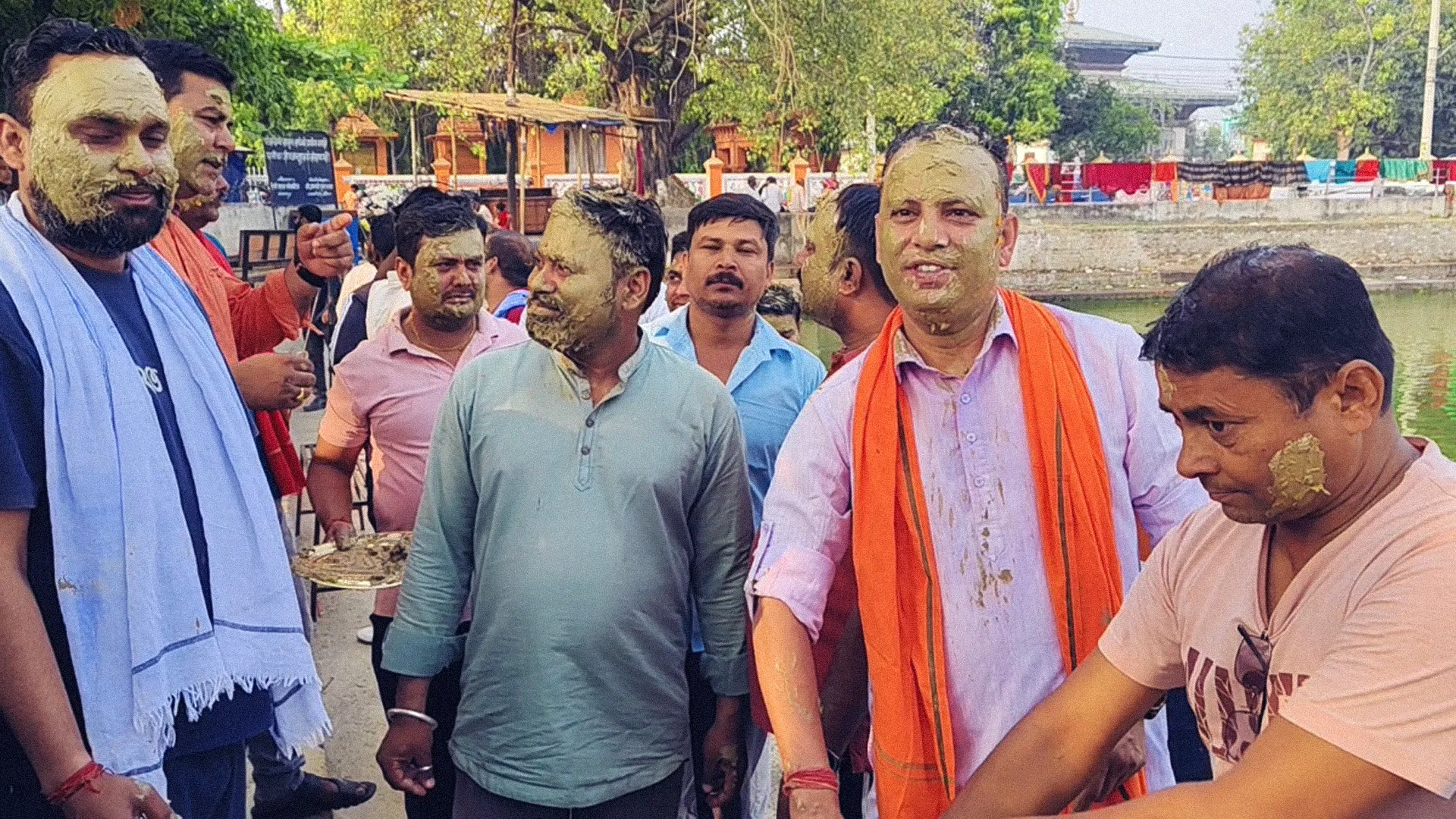
A central ritual of the festival involves elders pouring water on the heads of younger family members as a form of cooling blessing. Complementing this is the symbolic application of soil to the face, a practice that transcends social barriers. As noted by Member of Parliament Manish Jha, the act of applying mud disregards caste, gender, or religion, representing the unified identity of the entire community.
Beyond its social significance, Juda Sheetal carries a strong environmental mandate. Occurring at the onset of the peak summer season, the festival encourages the cleaning of wells, ponds, and lakes to ensure sustainable water storage. Local residents view this as an essential annual renewal of their relationship with the earth and its resources.

Interested in this ad?
Would you like to continue to the link or provide your information for more details?
Please provide your information
To continue, please fill in your details
The connection to the land is particularly sacred in Janakpurdham, where the soil holds historical and religious weight as the birthplace of Goddess Sita. While the tradition faced a period of relative obscurity, community leaders observe that the past seven to eight years have seen a robust institutional effort to revive and promote these cultural roots.
Rooted in the philosophy of the five elements—earth, water, fire, air, and sky—the festival recognizes the cooling properties of soil against rising temperatures. Historically known as "Dhurkhel," the celebration once involved playful interactions with mud among relatives, serving as a reminder of the intimacy and ancestral warmth that define the Maithili way of life.