

The economic and physical landscape of Pokhara is undergoing a historic metamorphosis, driven by an influx of international investments exceeding Rs 33 billion. These strategic megaprojects aim to overhaul the city's infrastructure, boosting local employment while establishing a safer, more resilient urban environment.
Central to this urban revival is a state-of-the-art exhibition center. Backed by a Rs 2.25 billion grant from the South Korean government, the facility is architecturally inspired by an overturned boat to honor local aquatic heritage. According to Mayor Dhanraj Acharya, this flagship project is projected to generate sustainable livelihoods for approximately 3,000 residents across the metropolis's 33 wards.
Public health and disaster resilience form another critical pillar of the city's modernization. Following a personal incident where the Mayor and a former Finance Minister were injured in a balloon fire, a dedicated burn treatment hospital is being constructed with a Rs 2 billion investment from KOICA. Simultaneously, the Asian Development Bank (ADB) is financing a new disaster management facility, which has already entered the tender phase at the former Lekhnath Municipality site.

Interested in this ad?
Would you like to continue to the link or provide your information for more details?
Please provide your information
To continue, please fill in your details
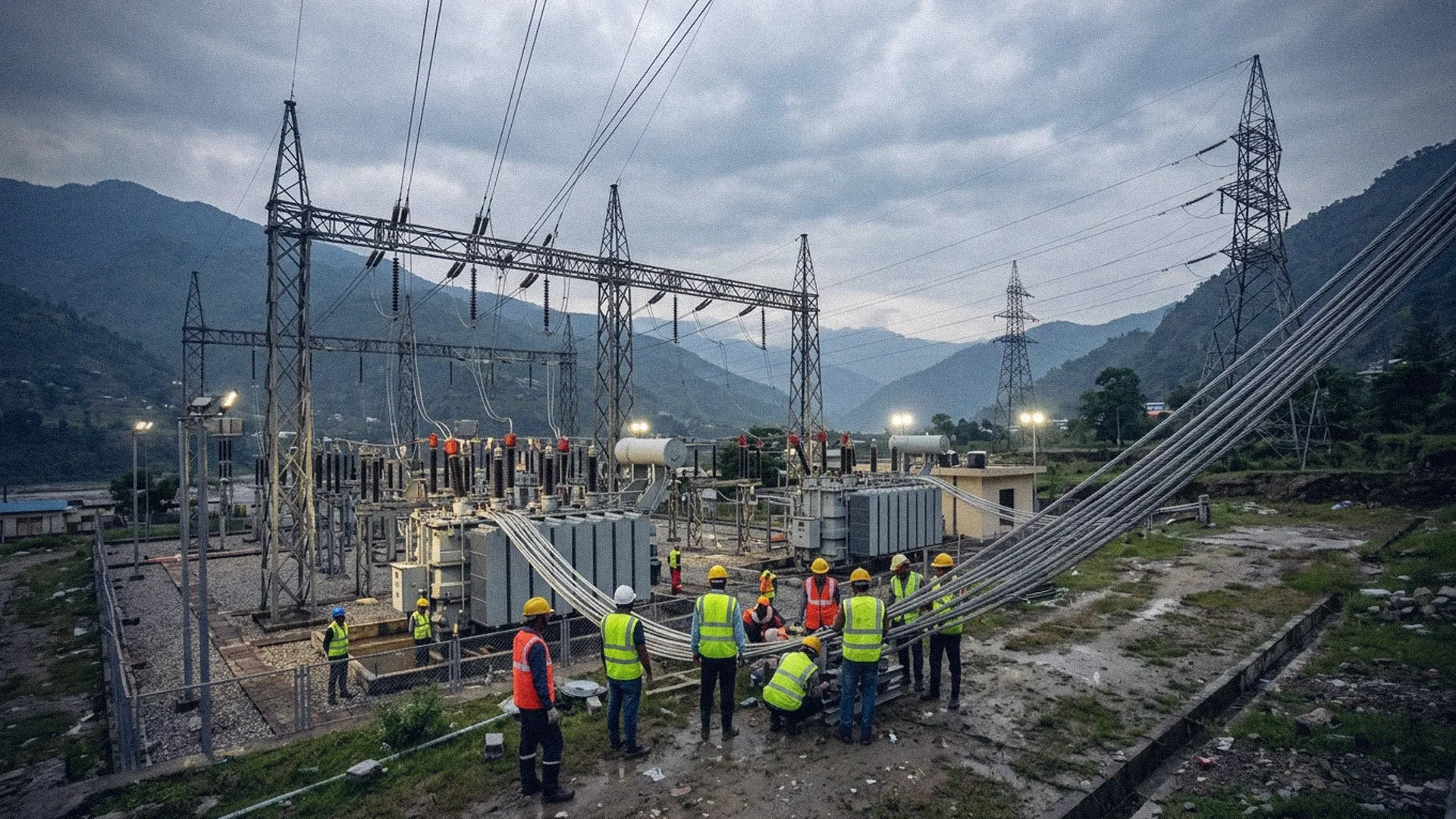
The city's aesthetic and cultural appeal is also receiving a major facelift. The ADB is funding a comprehensive network of cycle lanes connecting Pokhara's famous lakes, alongside the undergrounding of electrical cables—a complex modernization effort currently limited to only three major Nepali cities. Meanwhile, master plans are in motion to convert historic market areas, such as Ramkrishna Tole, into preserved heritage precincts akin to Bandipur.
Connectivity is seeing rapid enhancements, with World Bank-supported upgrades nearing completion on key routes like Talchowk-Begnas and Kotre-Birauta. Coupled with a Rs 1.25 billion research center in the Panchase area and the widespread installation of high-mast street lighting under the "Ujyalo Pokhara" initiative, these sweeping developments position the city to emerge as one of South Asia's most forward-looking and attractive urban centers.