

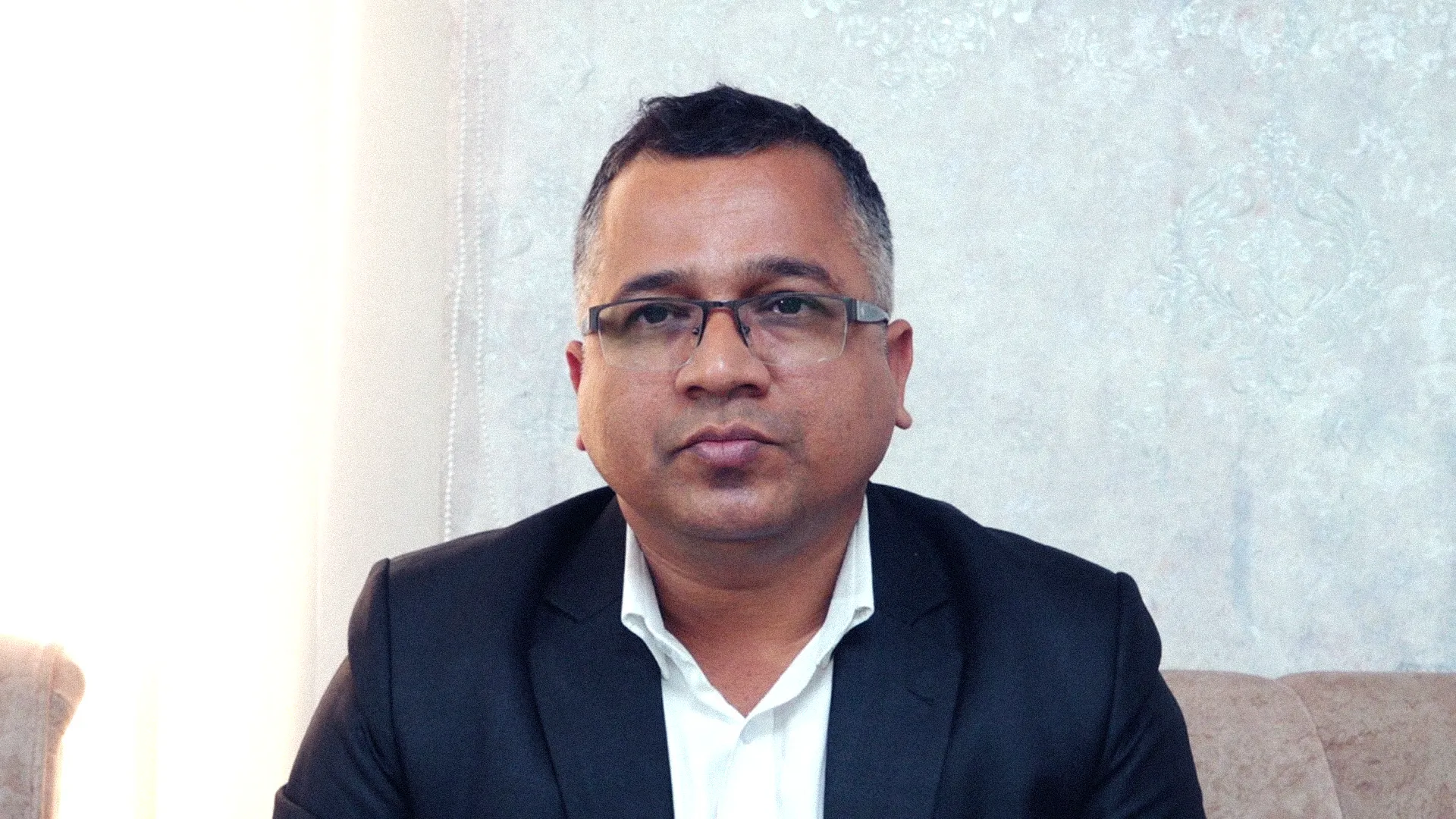
Nepal faces a potential healthcare disruption as medical professionals warn of impending protests over the government's refusal to grant them the newly implemented two-day weekend. Citing severe physical burnout, chronic understaffing, and discriminatory administrative practices, physicians argue that the state's unilateral policies are pushing the already exhausted medical workforce toward a mass exodus.
The controversy erupted after the government declared Saturday and Sunday as public holidays to curb national fuel consumption, yet the Ministry of Health and Population explicitly mandated hospitals to keep Outpatient Department (OPD) services operational on Sundays. According to Professor Dr. Badri Rijal, Chief Consultant Orthopedic Surgeon at the National Trauma Center, this creates a frustrating double standard that treats clinical staff as second-class citizens while subjecting them to outright labor exploitation.
Dr. Rijal highlighted that while the state quickly designates healthcare as an "essential service" during crises, it routinely ignores the labor rights of its frontline workers. Doctors frequently log over 80 hours a week—double the 40 hours stipulated by standard labor laws—while remaining constantly on call without institutional recognition for their extra hours. He also pointed out a stark administrative divide, noting that 11th-level administrative bureaucrats receive vehicles and drivers, perks completely denied to clinical staff of the exact same government rank.

Interested in this ad?
Would you like to continue to the link or provide your information for more details?
Please provide your information
To continue, please fill in your details
Furthermore, the government's recent blanket decision to recall deputed medical personnel has sparked intense outrage within the fraternity. Dr. Rijal criticized the move to send highly specialized experts, such as neurosurgeons and cardiologists, back to local facilities lacking basic surgical infrastructure, calling it a senseless waste of talent that benefits neither the state nor the patients requiring specialized care.
The medical community argues that a two-day weekend is entirely feasible if OPD hours are optimized, emphasizing that life-saving emergency services already run continuously. As frustration mounts over staffing quotas that have remained frozen since 1991 (2048 BS), the government must urgently initiate dialogue with healthcare stakeholders to modernize workforce policies and prevent crippling strikes in the critical health sector.