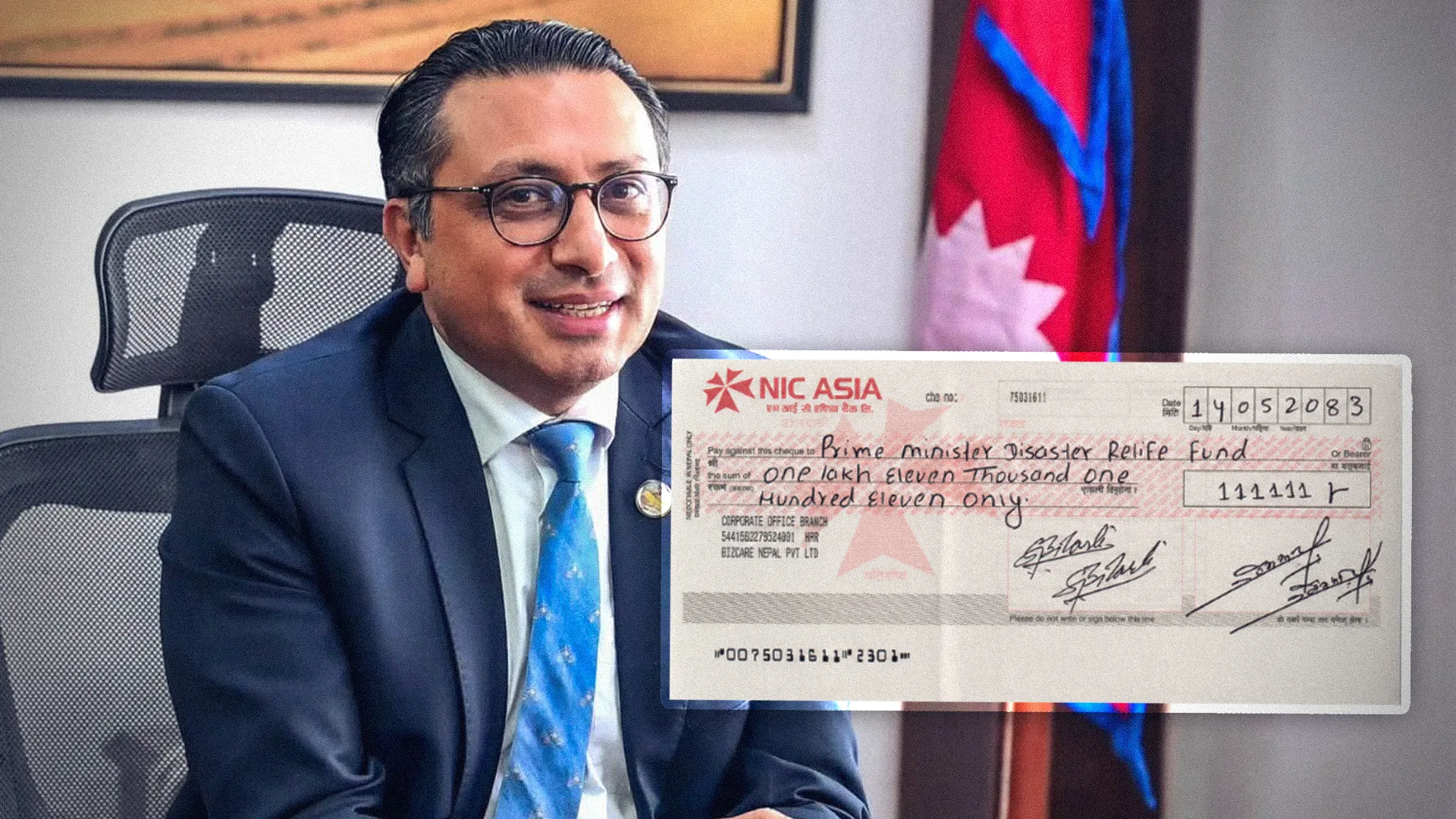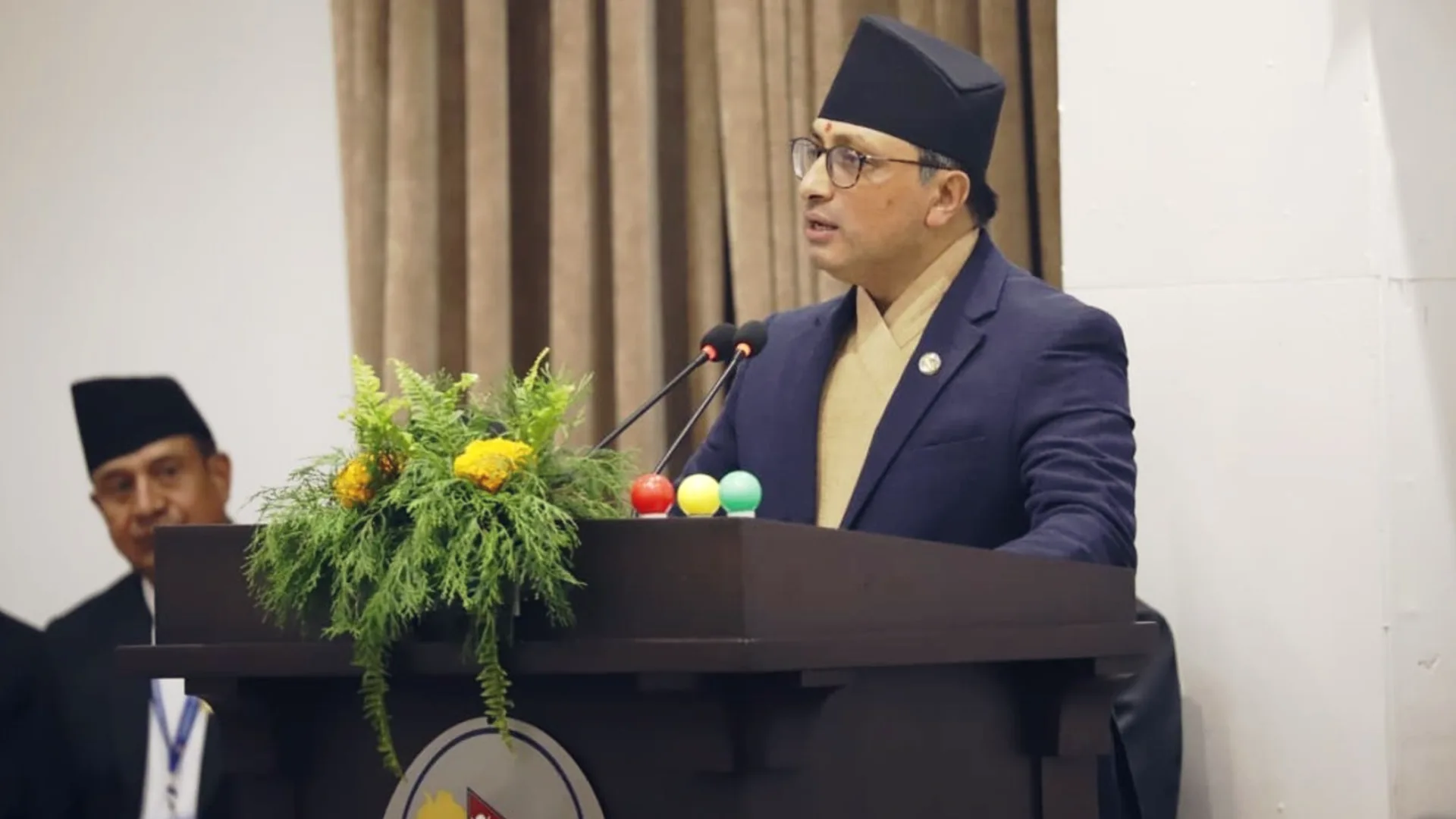


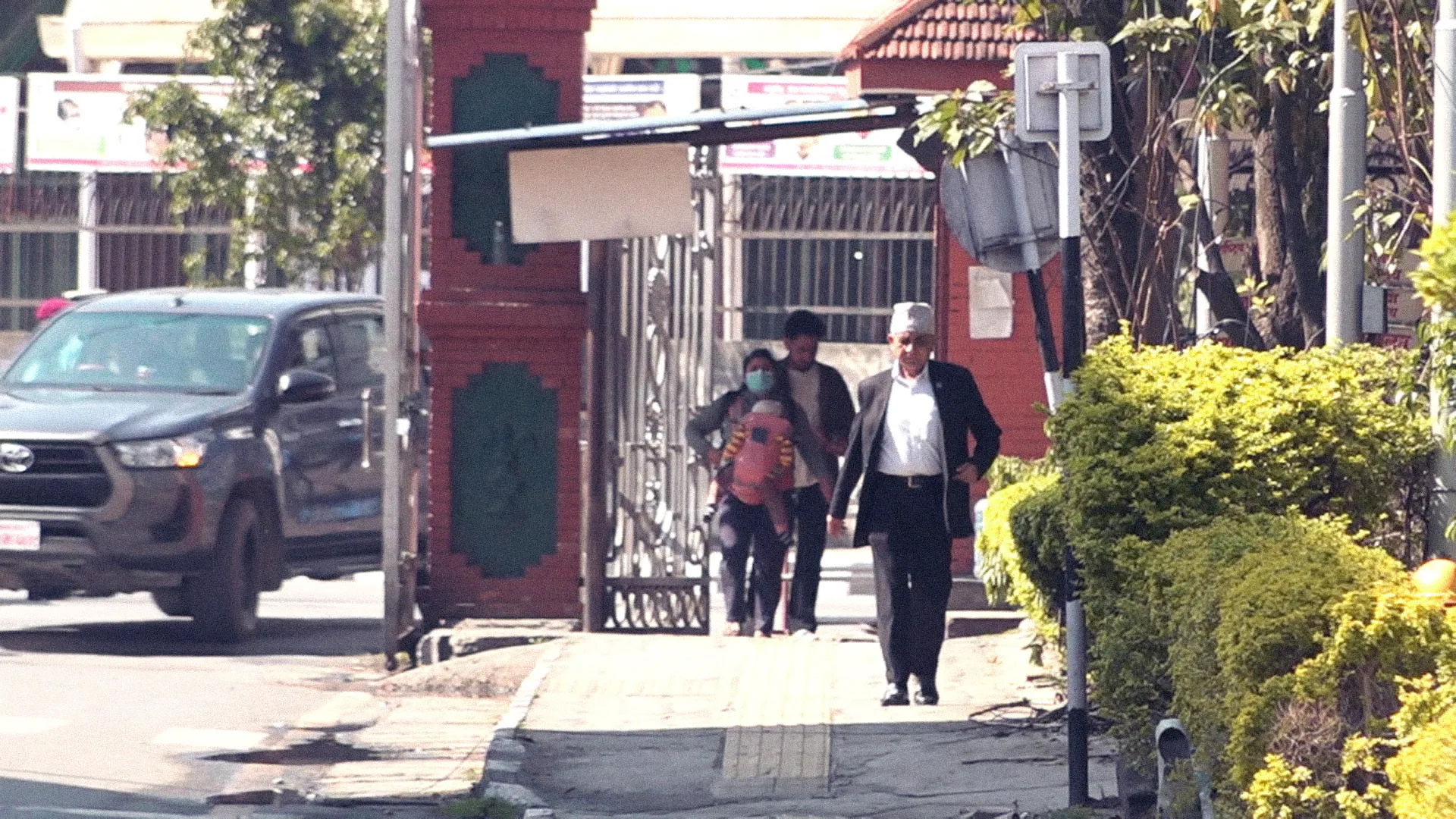
The Nepal government has implemented a drastic reduction in fuel benefits provided to high-ranking officials and civil servants. This strategic move, spearheaded by Finance Minister Dr. Swarnim Wagle, aims to shield the national economy from an escalating fuel crisis and maintain fiscal discipline.
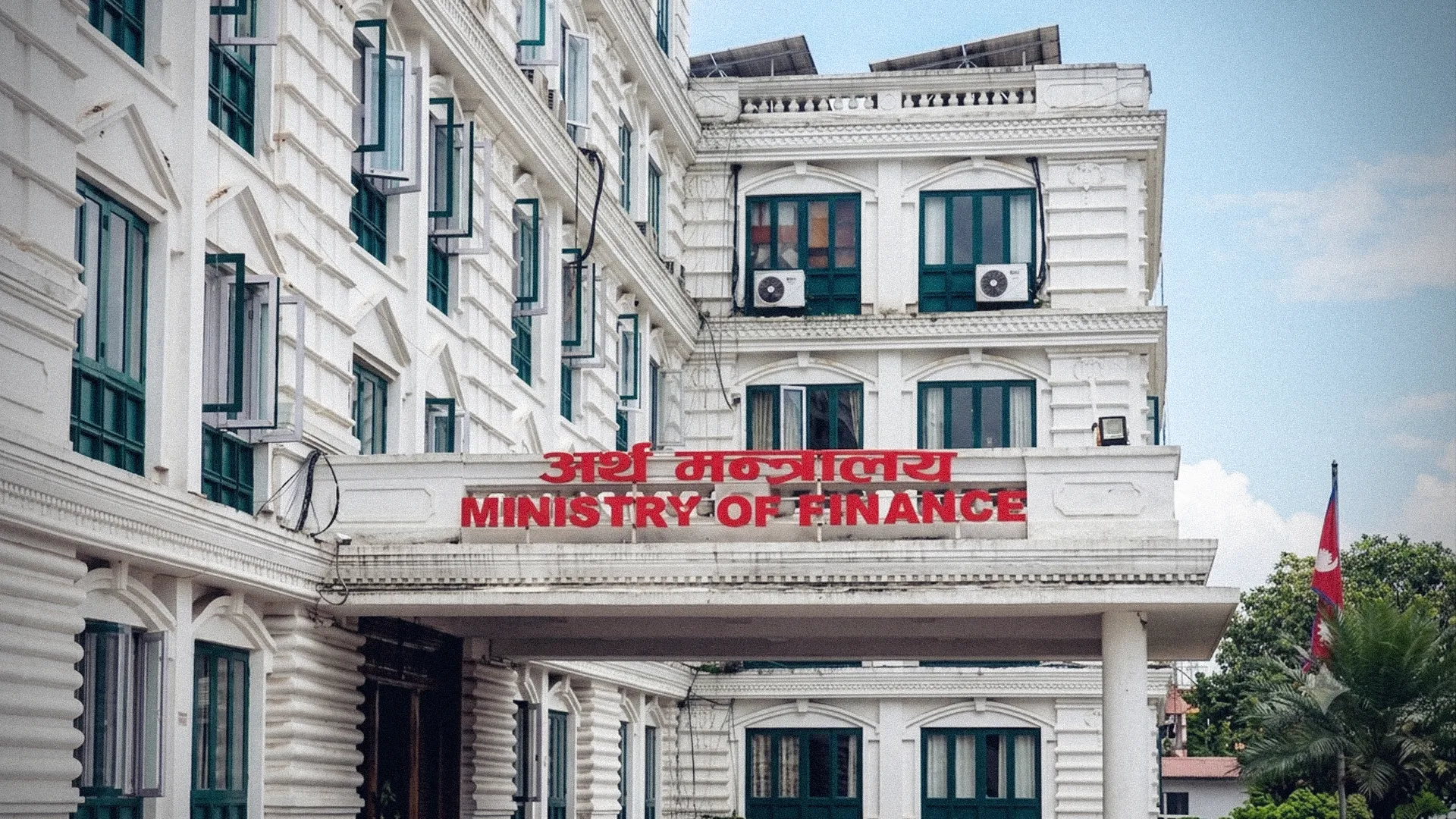
According to the Finance Ministry, the decision follows an amendment to the 'Operational Guidelines, 2081,' utilizing powers granted by the Economic Procedures and Financial Accountability Act, 2076. Under the new regulations approved on April 5 (Chaitra 23), the monthly fuel quota for secretaries and special class officers has been cut from 125 liters to 70 liters.
Similarly, joint secretary-level officials who previously received 100 liters will now be limited to 50 liters. While ministers and constitutional body members will continue to receive fuel per existing laws, the allowance for two-wheeled vehicles has been scaled back from 12 liter to 8 liters per month.

Interested in this ad?
Would you like to continue to the link or provide your information for more details?
Please provide your information
To continue, please fill in your details
The restructuring also targets central-level office pool vehicles. Offices with up to 30 employees will now receive 35 liters of petrol and 50 liters of diesel, a significant decrease from the previous 75-liter and 100-liter benchmarks. Furthermore, the ministry has mandated that pool vehicles must carry at least three people per trip, strictly discouraging individual use.
The Ministry of Finance cited soaring international petroleum prices, supply constraints, and a shortfall in revenue collection as the primary reasons for these austerity measures. These changes reflect an urgent need to optimize public expenditure amidst tightening economic conditions.