

Lawmakers have signaled a decisive shift toward a pro-business legislative agenda, identifying the private sector as the indispensable engine for Nepal's national prosperity. During a high-level "Lawmaker-Private Sector Dialogue" in the capital, representatives from across the political spectrum committed to dismantling regulatory hurdles and fostering an environment conducive to investment and industrial expansion.
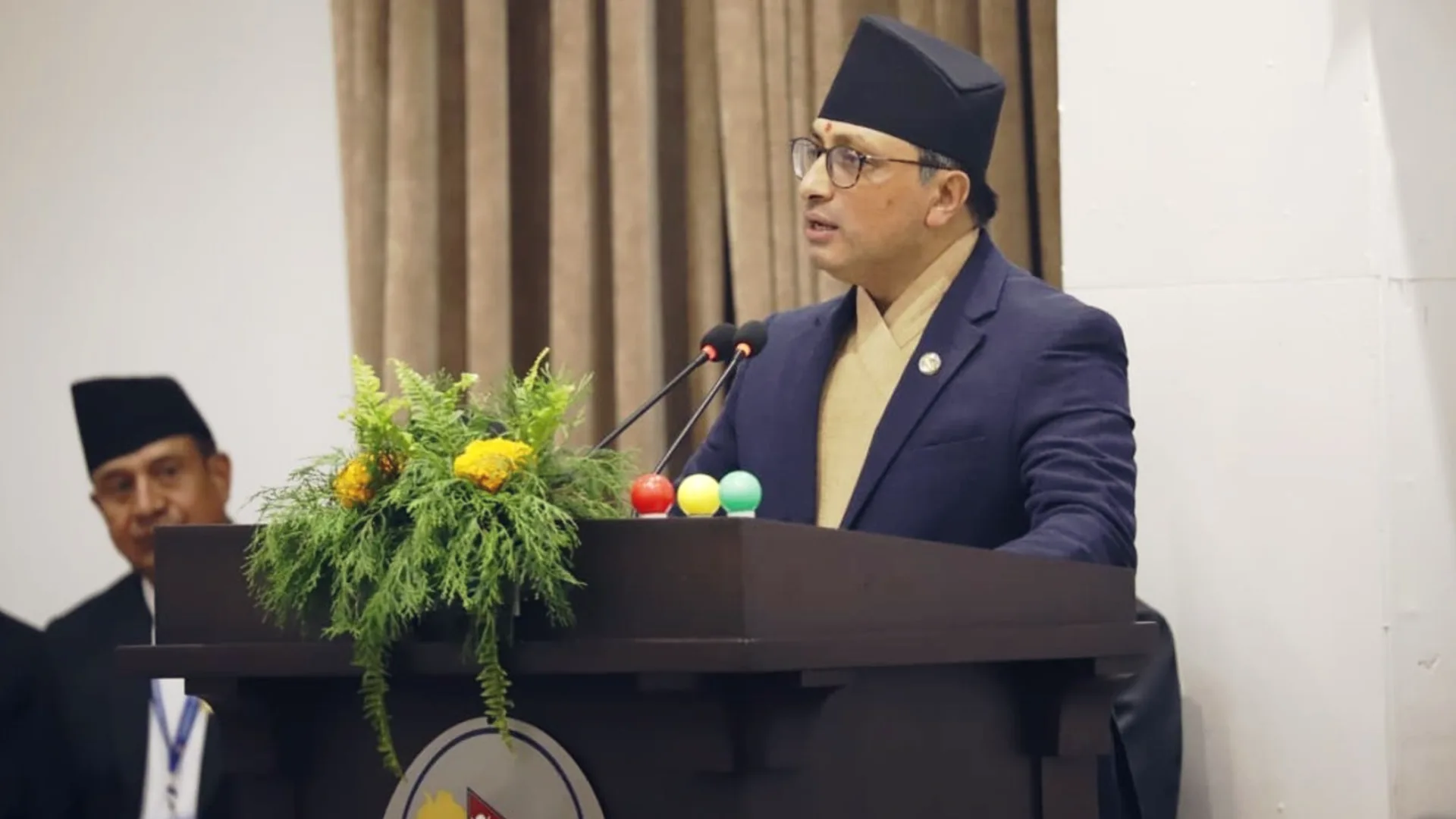
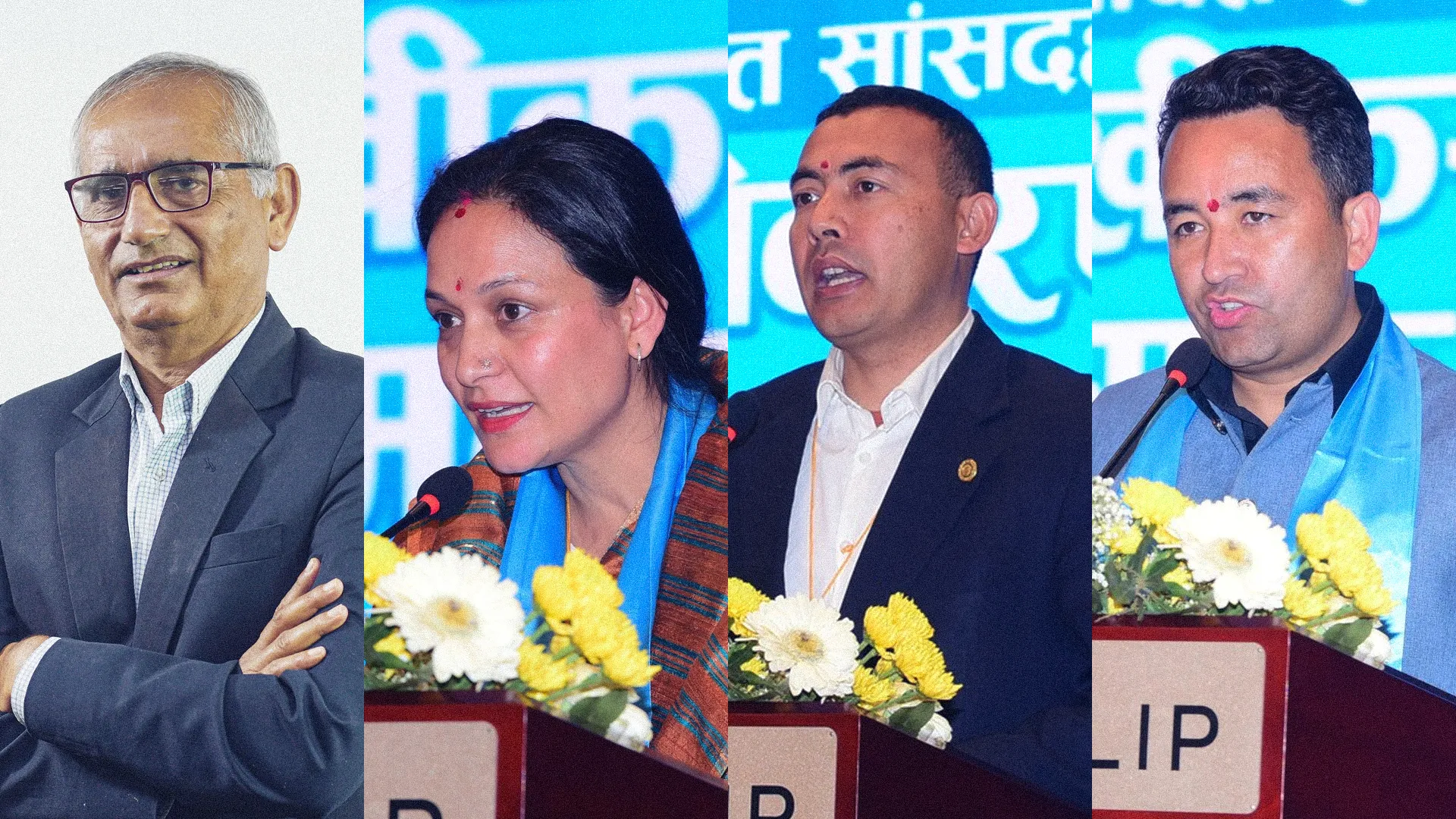
Ganesh Parajuli, a Member of Parliament from the Rastriya Swatantra Party (RSP), announced that parliamentary committees will be fully operational within three weeks. He assured business leaders that these committees will place private sector grievances at the top of their priority list. Parajuli emphasized a shift from restrictive regulation to active promotion, promising that upcoming tax reforms and legal amendments will be designed specifically to propel the industrial sector forward while serving the broader public interest.
The dialogue also touched upon ambitious macroeconomic targets, with MP Sushil Khadka defending the goal of reaching a $100 billion economy within five years. Despite skepticism from some quarters, Khadka maintained that achieving an average growth rate of 7 percent and doubling per capita income to $3,000 is mathematically feasible. He asserted that in a free-market economy, the private sector—not the government—is the primary generator of employment, pledging to be a vocal advocate for business promotion in the halls of Parliament.

Interested in this ad?
Would you like to continue to the link or provide your information for more details?
Please provide your information
To continue, please fill in your details
Representing the opposition, CPN (UML) lawmaker Guru Baral urged the government to adopt a more accountable and facilitative stance toward entrepreneurs. He criticized the trend of sudden arrests of businesspeople for investigative purposes, arguing that such actions undermine the rule of law and investor confidence. While maintaining that irregularities like tax evasion must be addressed, Baral insisted that the state must support, rather than penalize, the private, cooperative, and government sectors through stable policies.
The discussion also highlighted the critical need to bridge the gap between agriculture and industry. MP Toshima Karki pointed to the untapped potential in Sarlahi, designated as the "tomato capital," where produce frequently rots due to a lack of processing facilities. She invited investors to establish industries in her constituency, guaranteeing a stable supply chain. The collective message from lawmakers was clear: a prosperous Nepal requires a unified and empowered private sector working in tandem with a supportive legislative framework.