


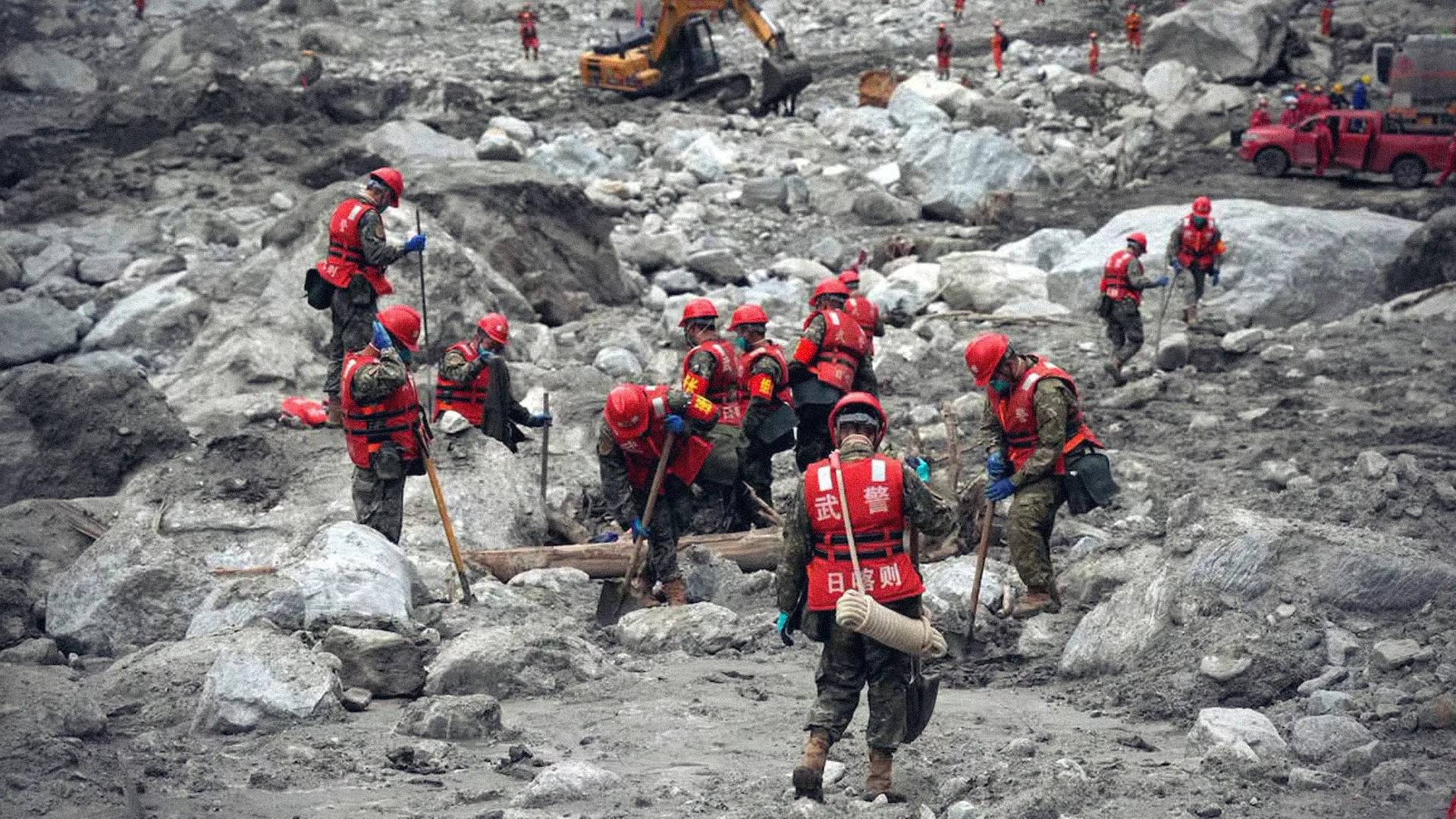
Questions have been raised over China's official silence following devastating floods in Tibet. Even after the natural disaster caused loss of life and property, China's failure to make adequate information public regarding the actual situation, extent of damage, and state of affected communities has drawn critical scrutiny.
Although reports have emerged about the floods affecting local settlements and infrastructure in Tibet, concerns have been expressed over access to information and transparency. Due to the state's strict control over information on Tibet—a sensitive issue in China—obtaining independent accounts of local damage remains difficult.
During a natural disaster like a flood, immediate and reliable information is essential for the rescue, relief, and rehabilitation of affected citizens. However, controlling details of the event makes it hard for the outside world to know the true condition of affected communities and raises questions about necessary international and humanitarian assistance.

Interested in this ad?
Would you like to continue to the link or provide your information for more details?
Please provide your information
To continue, please fill in your details
Tibet's geographical conditions, including Himalayan rivers, mountainous terrain, and rapid weather changes, heighten the risks of floods and landslides. Therefore, timely warnings, transparent data, and effective rescue mechanisms become even more crucial during such events.
This incident has reignited debate on disaster management alongside information transparency and China's information control in Tibet. Making public the situation of affected citizens and revealing the true picture of relief and rescue efforts should be a primary responsibility of the state.