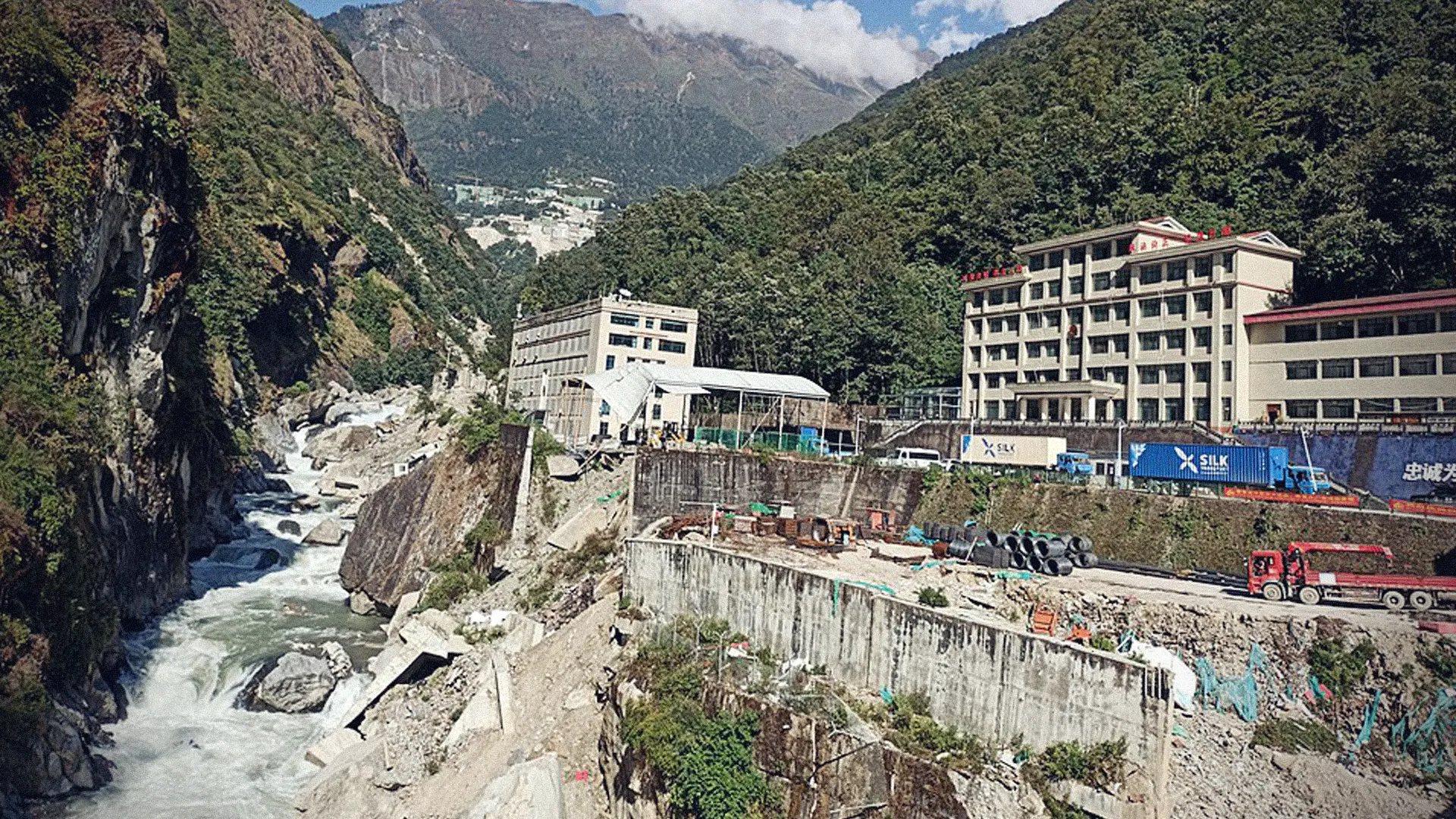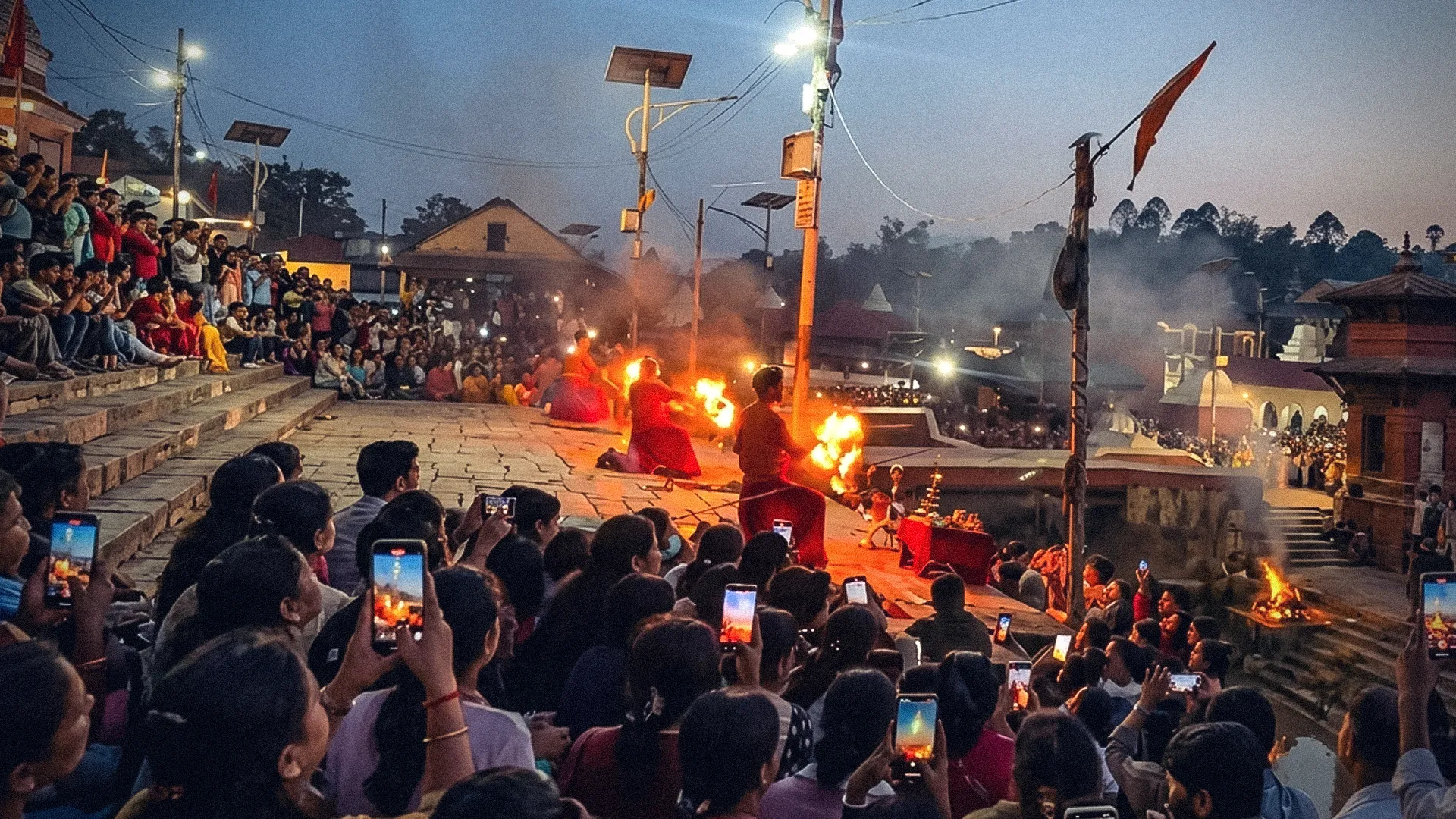


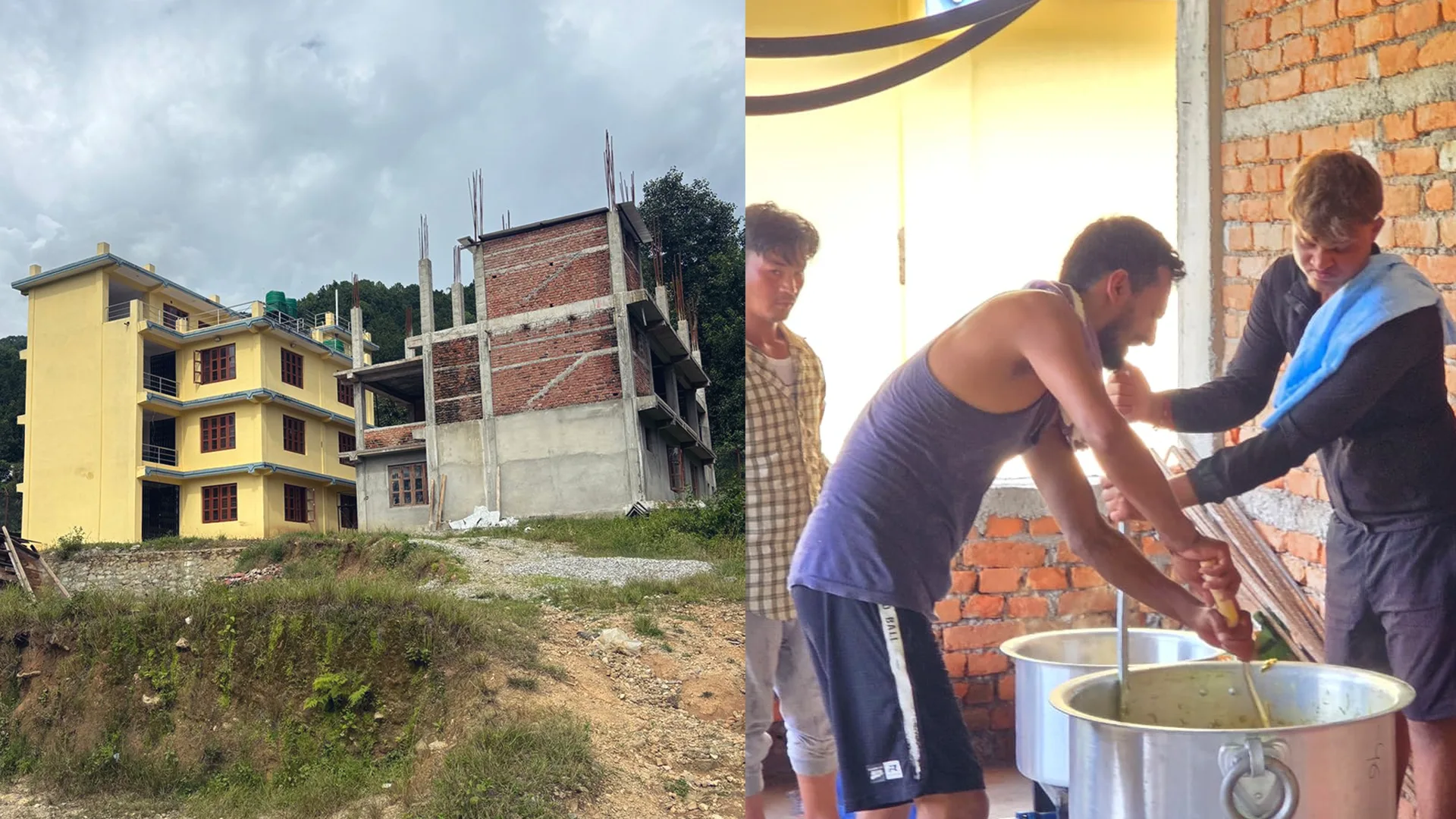
A month after severe flooding along the Bhote Koshi and Trishuli rivers devastated communities across Rasuwa, a specialized emergency intervention in Bogatitar, Uttargaya Rural Municipality, has evolved from immediate meal distribution into a vital child protection shield and reconstruction initiative. Spearheaded by community organization Sano Paila, the operation has already served more than 7,500 hot meals and secured temporary custody of 78 at-risk children displaced or orphaned by the August 26 deluge.
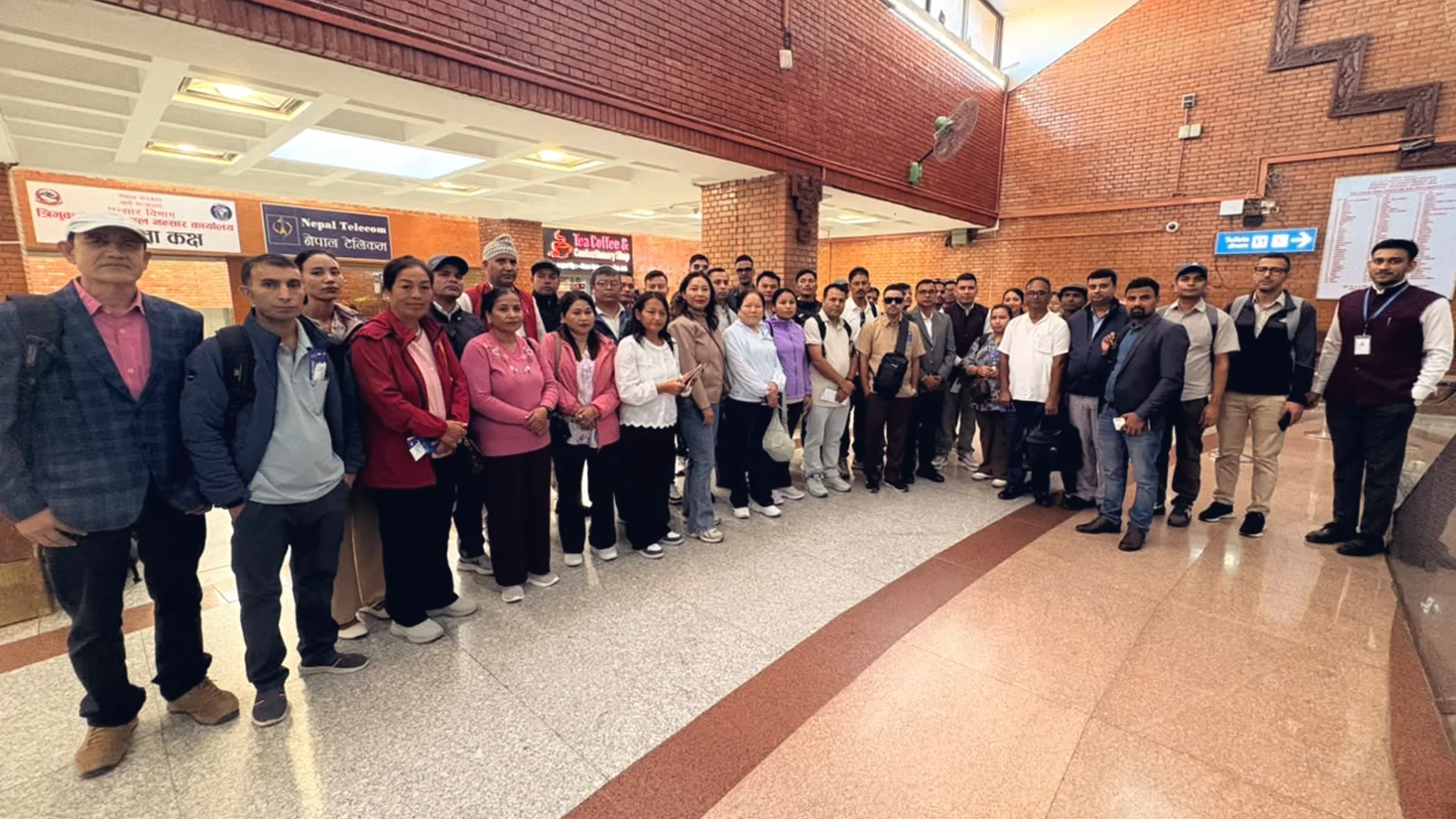
Deploying from Birgunj via Kathmandu on August 31 in coordination with local authorities, the organization established a community kitchen on the premises of Nilkantha Secondary School. To counter total electrical grid failure in Uttargaya, Sano Paila deployed portable generators, powering both its feeding facilities and a communal charging hub for essential devices while delivering clean water, sanitation support, and health monitoring.

Interested in this ad?
Would you like to continue to the link or provide your information for more details?
Please provide your information
To continue, please fill in your details
The humanitarian crisis rapidly exposed severe child protection risks, as multiple children lost parents to death or disappearance during the flood. Leveraging nearly two decades of child welfare expertise, Sano Paila converted an allocated kitchen building into a dedicated safe house to prevent vulnerable, separated youth from falling prey to exploitation or deceptive urban employment offers.
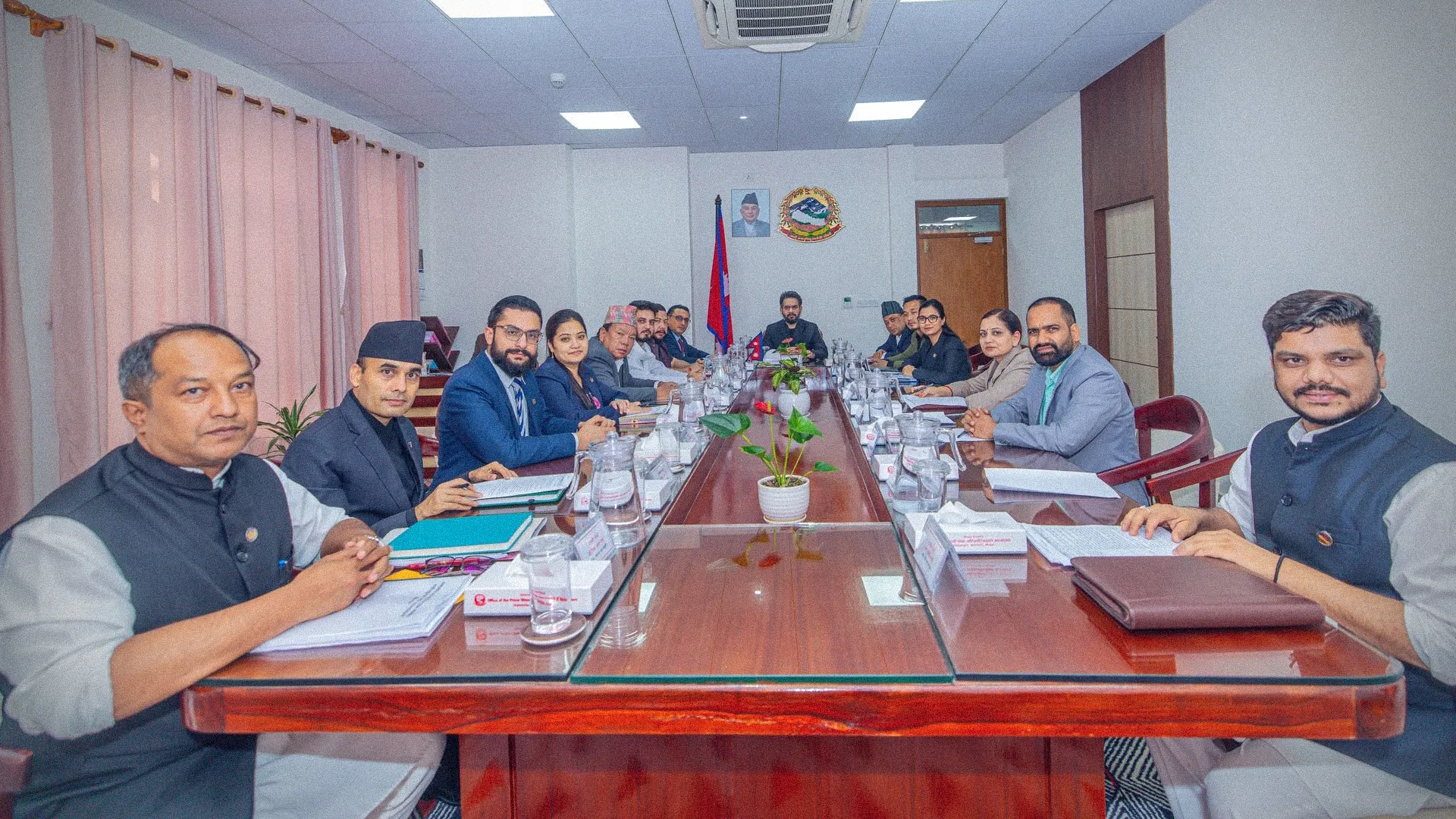
In recognition of its targeted response, a joint coalition including the Rural Municipality, the National Child Rights Council, and civil society partners designated Sano Paila as Member Secretary of Uttargaya’s Child Protection Cluster. In this official capacity, the team is compiling data on unattached minors to draft a comprehensive welfare roadmap, as operations pivot from emergency relief toward family reunification and sustainable structural reconstruction.