

Public confidence in state accountability and the rule of law is facing renewed scrutiny as youth and civil voices confront the government over its prolonged silence regarding a contentious leadership appointment at the Lumbini Development Trust. Rather than addressing mounting citizen concerns, official indifference has deepened skepticism over institutional transparency and raised fears that unseen power centers may be influencing state decisions.
The controversy stems from a Cabinet decision made on Ashoj 30, 2083, acting on a proposal from the Ministry of Culture, Tourism and Civil Aviation, to appoint Buddhist nun Ani Choying Drolma, also known as Choying Drolma Lama Moktan, as Vice-Chairperson of the Trust. Since the decision became public, persistent questions have surfaced regarding both the appointee's legal background and the legality of the selection process itself.
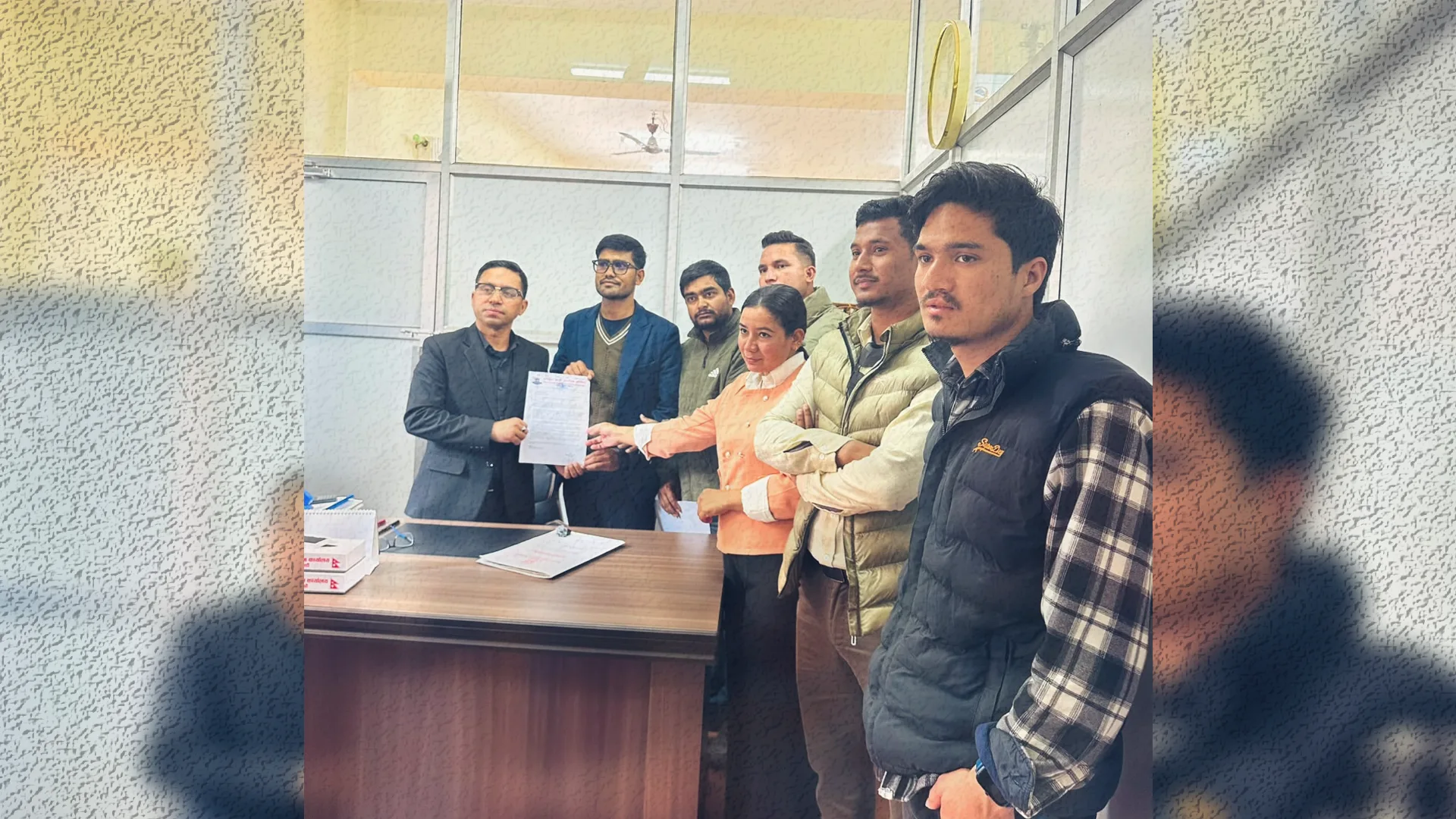
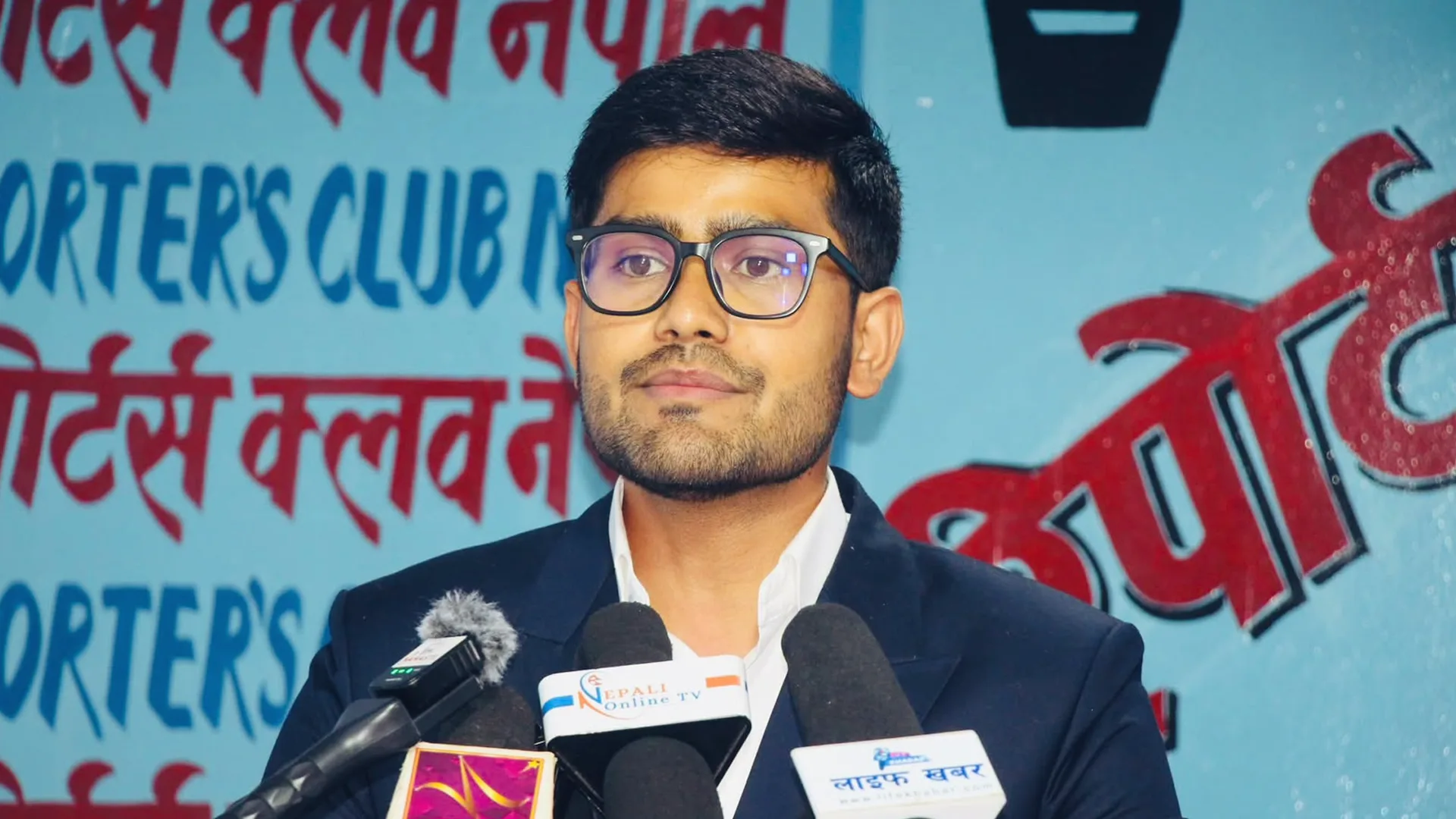
According to a public statement issued by Gen-Z activist Ajay Sodari, three critical disputes surround the appointment. First, questions have been raised alleging that citizenship by descent was acquired using forged documents, a matter reportedly under pending investigation. Second, an inquiry into wealth of undisclosed origin remains pending before the Department of Money Laundering Investigation.
Third, Sodari noted that the appointment bypassed the government's own established procedures and eligibility standards, as the candidate was selected without submitting an application or participating in a formal selection process.
Critics argue that the administration's failure to respond to these serious allegations is both regrettable and objectionable. By remaining silent, the state apparatus appears to be shielding a single controversial appointee rather than upholding legal equality, a posture that has fueled public suspicion of major financial manipulation or "deep state" influence behind the scenes.
The episode has also triggered sharp reflection on the unfulfilled promises of recent youth-led advocacy. Sodari questioned whether the spirit of the Gen-Z movement—which mobilized against corruption, mismanagement, impunity, and opacity—is being sidelined, warning that a change in government loses its meaning if entrenched styles of governance remain unaltered.
Pressing the administration to break its silence immediately, Sodari has demanded clear public answers on three fronts: the factual truth behind the citizenship dispute, the current status of the money laundering inquiry, and whether the government adhered to its own appointment rules. Whether the leadership steps forward to declare an impartial stance and facilitate a fair investigation will serve as a critical test of its commitment to transparent, accountable governance.