
BEIJING — International concern over the treatment of the Uyghur community in China's Xinjiang region has renewed. Human rights organizations have demanded clear details from the Chinese government following reports that Rahile Omer, a Uyghur woman arrested at the age of 14, died in prison at age 23.
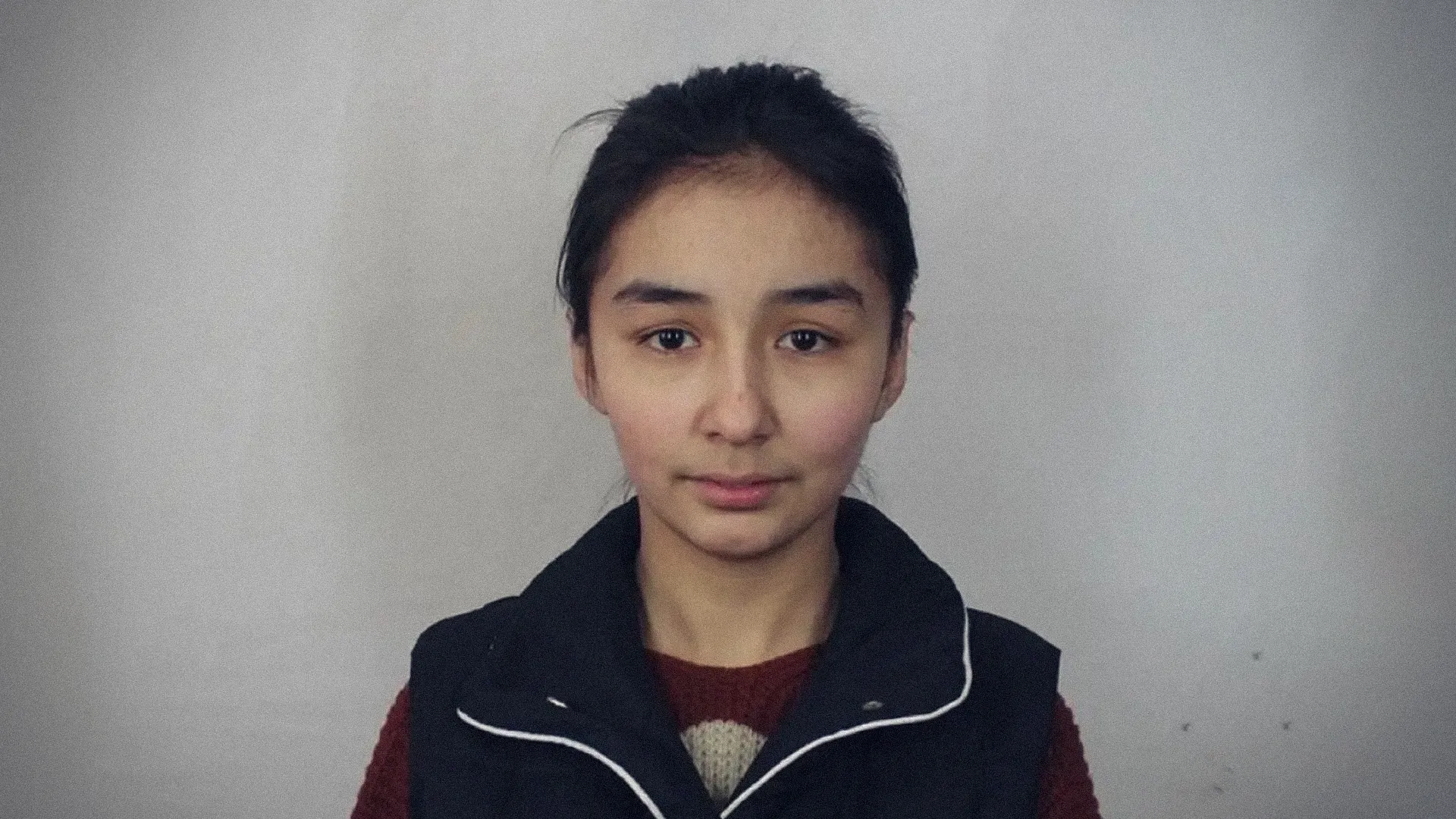
According to a report published by Bitter Winter on November 12, Chinese security agencies took Rahile Omer into custody in 2017 after her parents were arrested. She was a resident of Konasheher County in Xinjiang's Kashgar prefecture.
Her photograph was also found in the Xinjiang Police Files leaked in 2022. Among the thousands of images in those records, she was identified as one of the youngest teenagers detained.
According to available details, she was initially held at a so-called training center in Konasheher from 2017 to 2019. She was subsequently transferred to another detention facility and sentenced to 12 years in prison in 2021.
Chinese authorities accused her of engaging in activities that disrupted social order. However, human rights organizations stated that sufficient details regarding a fair trial, legal representation, and formal charges in her case were never made public.
In a report published on November 6, Radio Free Asia noted that 23-year-old Rahile had died inside prison. Citing local officials, the report stated that her death occurred about a month earlier and that a heart-related condition may have been the possible cause.
However, the actual cause of death, the state of her medical treatment, and details regarding her health in prison have not been disclosed.
In a separate statement published on November 11, Human Rights Watch clarified that it could not independently verify reports of Rahile's death. Raising serious questions about the incident, the organization urged the Chinese government to disclose the true cause of her death.
The mass detention of Uyghur citizens in the Xinjiang region during 2017 and 2018 has remained a central issue in international human rights debates. While the Chinese government has described its policies as counter-terrorism campaigns, security measures, and vocational training programs, Western countries and human rights groups have alleged arbitrary detention, restrictions on religious freedom, and human rights abuses.
News of Rahile Omer's death has brought renewed international scrutiny to the plight of Uyghur citizens detained during childhood, the availability of healthcare in prisons, and judicial transparency.
Human rights organizations have called on China to release records concerning the cause of her death, detention conditions, and legal proceedings, and to maintain transparency regarding the status of other detainees in Xinjiang's prisons.