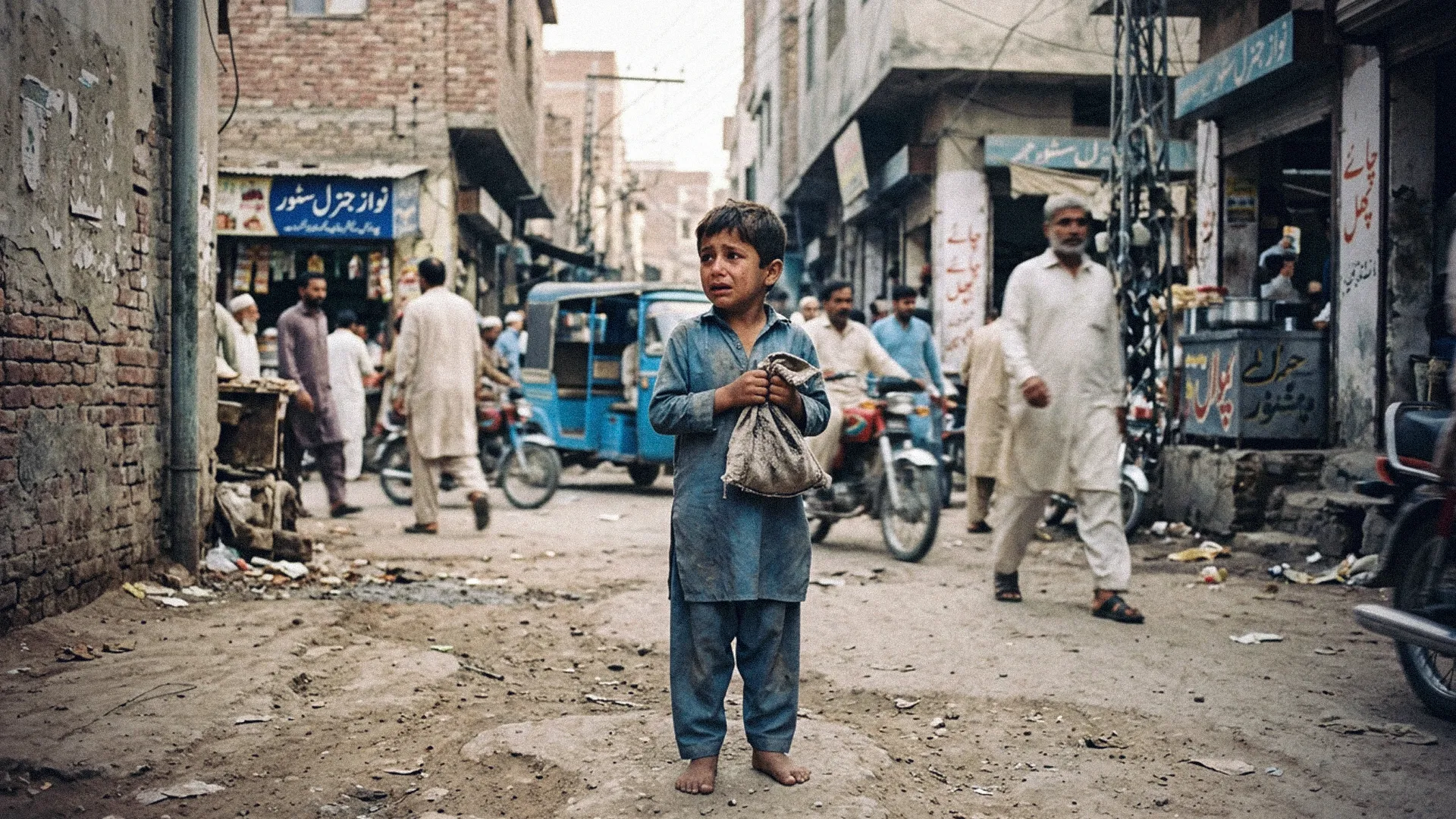



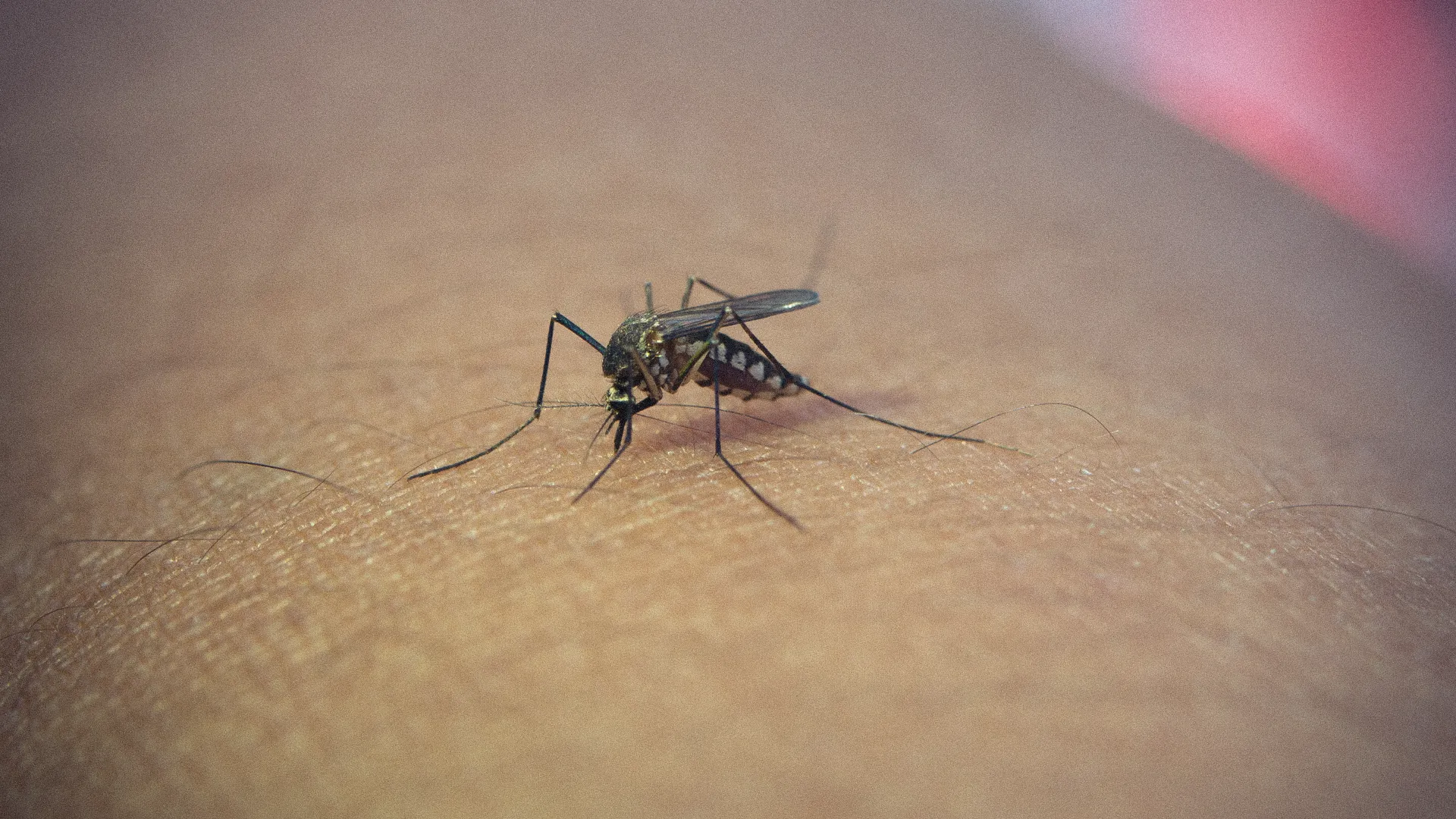
A landmark study has revealed that Pakistan’s actual dengue burden surged by more than 3,000 percent over a decade, exposing an alarming disparity between official disease surveillance and ground realities. According to research led by Aga Khan University, dengue cases in the South Asian nation rose from roughly 100,000 in 2012 to an estimated 3.28 million in 2022.
The study, published in PLOS ONE and reported in September 2026, used statistical modeling and lab data to demonstrate that routine reporting captures only a fraction of true infections. Researchers found the steepest increase among adults aged 15 to 49, challenging long-held assumptions that dengue is merely a short-lived seasonal nuisance.
Sindh province bore the heaviest burden of the epidemic, accounting for an estimated 2.63 million cases in 2022, with Karachi East registering the highest district-level incidence. Rapid urbanization, standing water, poor municipal drainage, and severe flood disruptions have created optimal breeding grounds for disease-carrying mosquitoes.
Lead author Dr. Zarmeen Nasim noted that virus transmission has expanded into a year-round threat rather than a brief post-monsoon surge. Addressing this recurring public health crisis will require Pakistan to overhaul its disease monitoring systems, strengthen municipal sanitation, and systematically expand diagnostic capacity nationwide.