


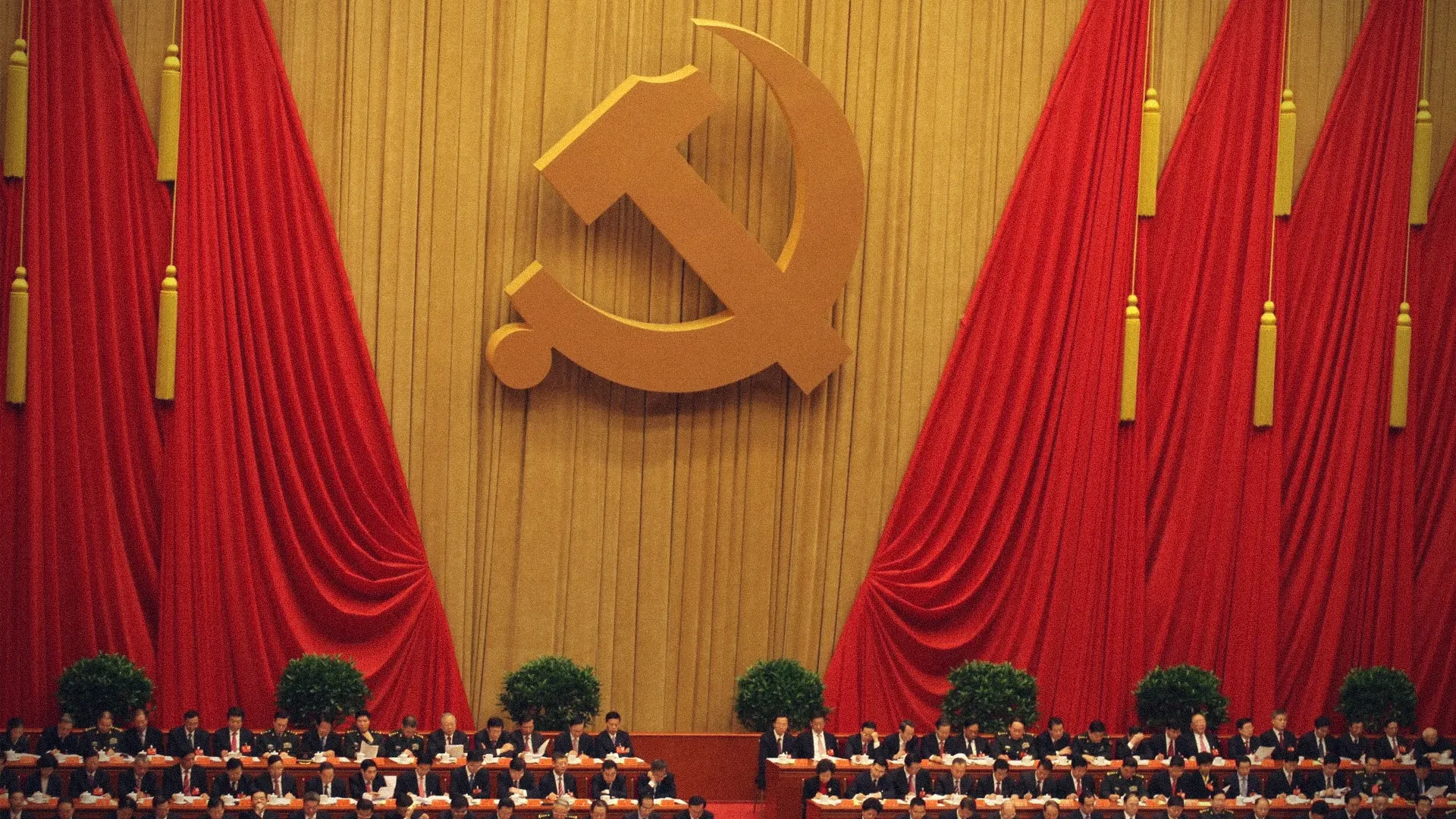
A rapid reshuffle of Communist Party leadership across six Chinese provinces has highlighted President Xi Jinping’s intent to consolidate central authority ahead of the 21st Party Congress expected in 2027. The domino-effect appointments, executed over just two days in late September 2026, underline Beijing's tightening grip on regional governance while sparking concerns over administrative continuity.
On September 22 and 23, 2026, Beijing replaced top party bosses in Tibet, Gansu, Qinghai, Anhui, Fujian, and Henan. Among key moves, former Gansu party chief Hu Changsheng was transferred to Tibet, Wu Xiaojun shifted from Qinghai to lead Gansu, and former Gansu governor Luo Dongchuan assumed leadership in Qinghai.
These rapid leadership transitions reflect a broader trend under Xi Jinping to prevent the rise of independent regional power bases, similar to past networks around Zhou Yongkang in Sichuan or Bo Xilai in Chongqing. However, data reveals a steep decline in executive stability: average tenures for provincial party chiefs dropped from 4.55 years (1994–2012) to just 1.6 years by 2021, with 19 provincial chief shifts recorded across 31 administrative regions between October 2023 and 2026.
While frequent rotations enforce political loyalty to Beijing, experts caution that short tenures risk undermining local governance, economic reform, and accountability. As short-term gains are prioritized over complex issues like local government debt management, China's central leadership faces the delicate task of balancing strict political control with sustainable administrative stability ahead of the 2027 congress.