



KATHMANDU — State-sponsored cross-border militancy has increasingly turned Pakistan into a focal point of regional instability, as neighboring nations and Western governments face ongoing security threats linked to terror networks operating from Pakistani soil.
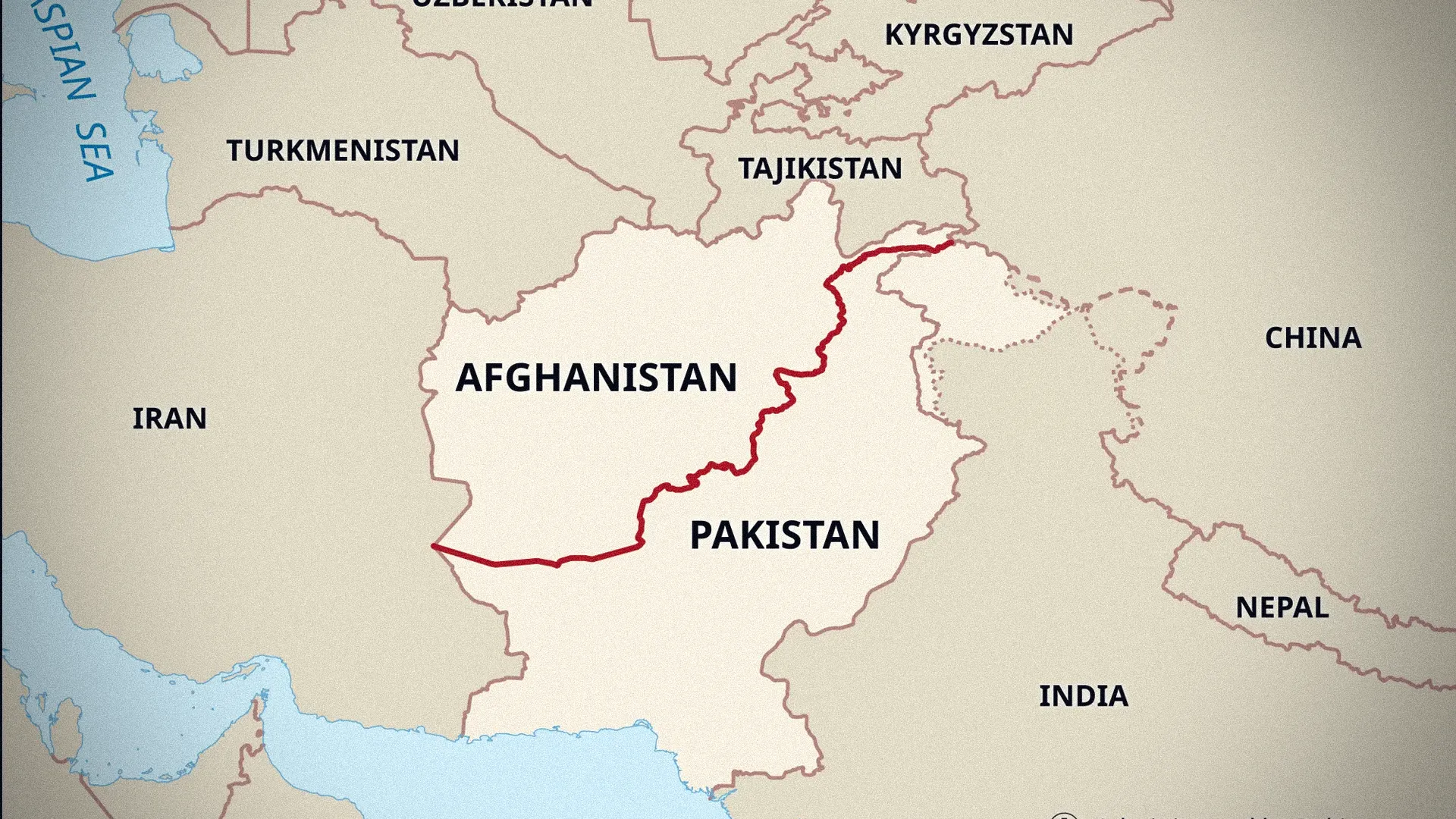
The latest escalation unfolded in eastern Afghanistan, where Kabul's defense officials announced that government forces eliminated 41 militants and captured 62 others in Nuristan province. Authorities in Kabul explicitly attributed the infiltration attempt to ISIS-affiliated fighters receiving direct logistical support, training, and strategic guidance from the Pakistani armed forces.
This military friction underscores a persistent pattern that has plagued South Asia for decades. Both India and Iran have repeatedly confronted Islamabad over armed groups operating with impunity from its border regions. While New Delhi has provided extensive documentation detailing state agency involvement in major regional strikes—including the 2008 Mumbai attacks by Lashkar-e-Taiba—Tehran has similarly pressured Islamabad over cross-border incursions by Jaish al-Adl targeting Iranian border guards.

Interested in this ad?
Would you like to continue to the link or provide your information for more details?
Please provide your information
To continue, please fill in your details
The footprint of these sanctuaries extends far beyond immediate borders. International bodies, including the United Nations Security Council and the European Union Agency for Asylum, have documented operational linkages between Pakistani intelligence services and global terror syndicates. European security agencies have traced multiple Western attacks back to recruits trained in regions like South Waziristan, with British authorities identifying Pakistan-based extremists as a primary national security threat.
What was originally established as a tool of strategic leverage against neighbors has progressively eroded Pakistan's domestic stability and diplomatic standing. As international pressure mounts—reflected in previous financial monitoring actions by the Financial Action Task Force—the institutionalization of militant networks continues to pose an enduring challenge to continental and global security frameworks.