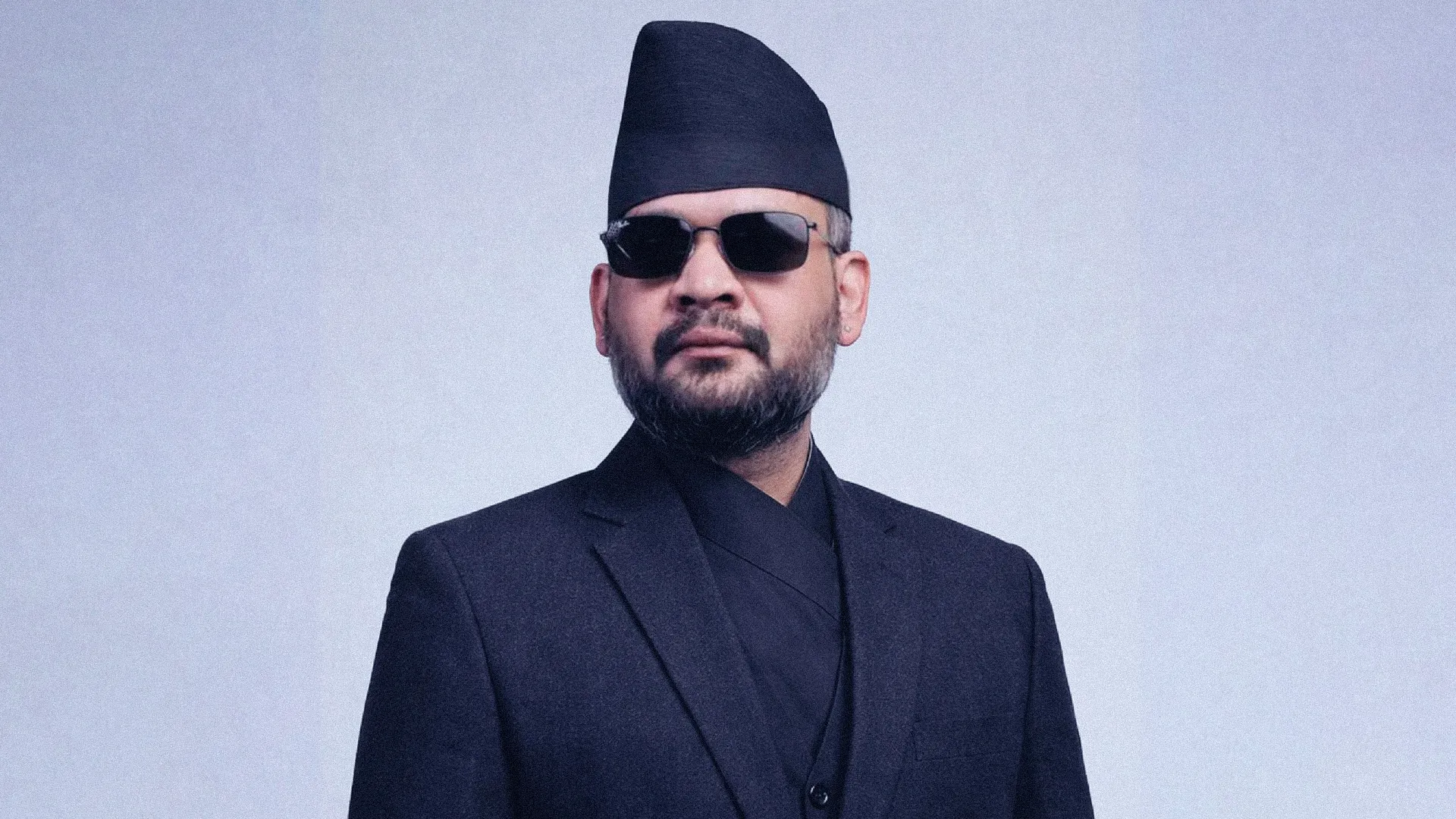


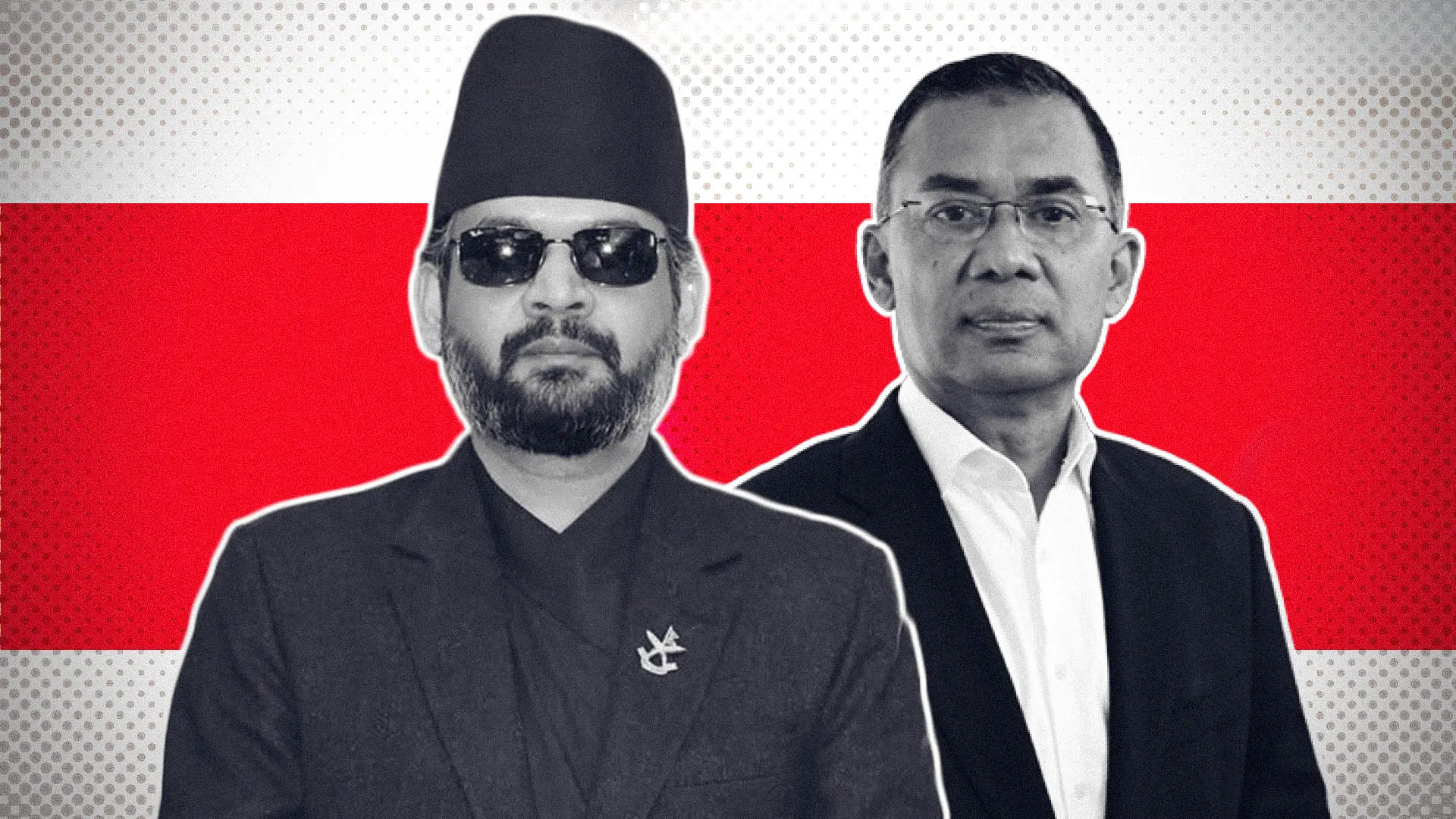
Ongoing political turmoil in Bangladesh has become a critical point of reference for Nepal, where Balendra Shah’s government is confronting escalating challenges from established opposition forces. Political observers note that the parallel developments have sparked intense debate over whether Nepal can sustain stability or risk another wave of street unrest.
Nepal entered a new political phase following the September 2025 Gen Z uprising, which reshaped the country's leadership landscape. However, analysts point out that the transition has yet to resolve deep-seated political divisions and ideological differences among major stakeholders.
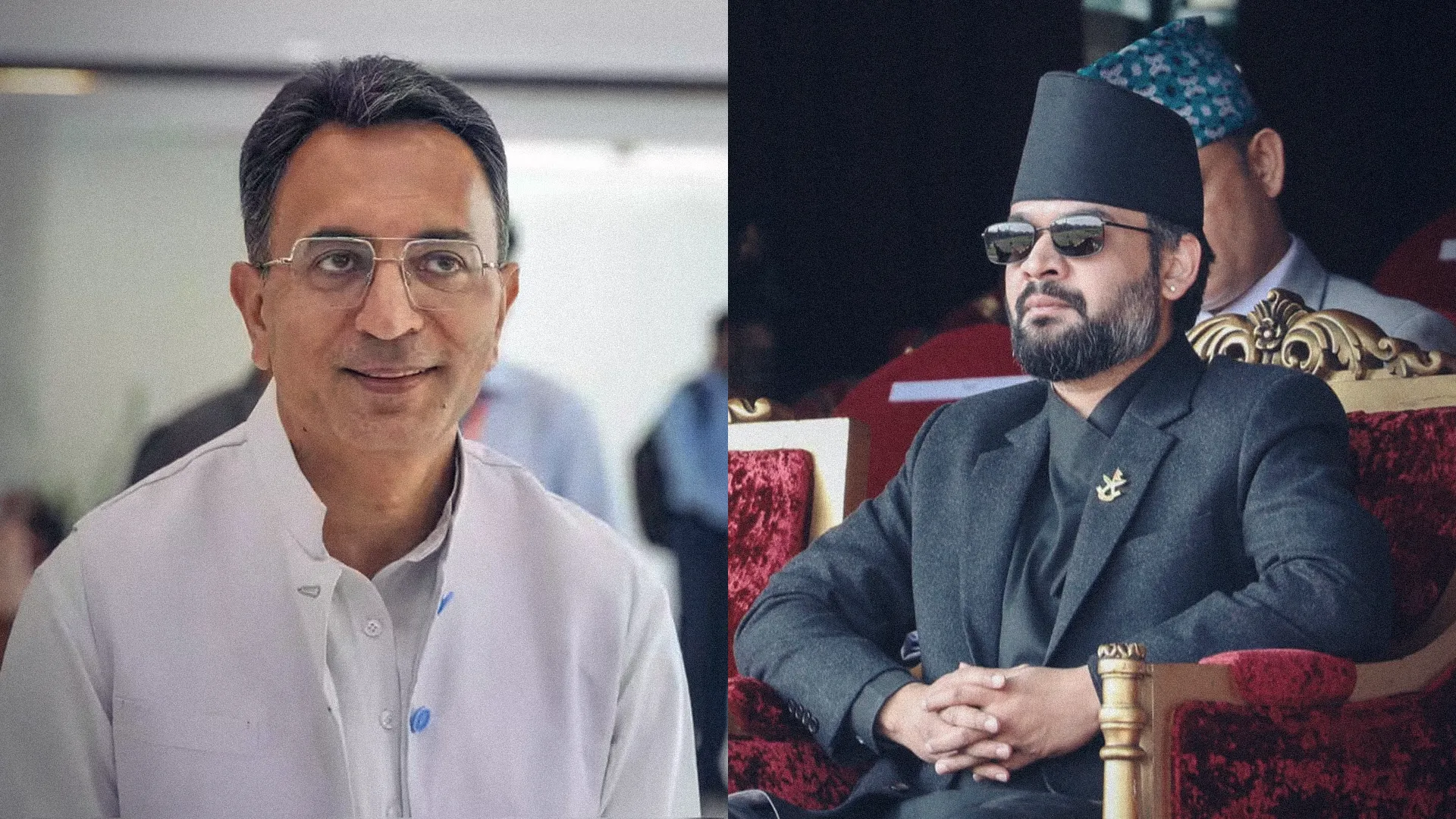
Tensions have sharpened as left-wing parties, including the CPN (UML) and the Nepali Communist Party, step up their agitation rhetoric and call for nationwide protests against the administration. Their coordinated mobilization signals growing friction between the Shah-led government and traditional political forces.
According to political analysts, five key dynamics are shaping Nepal’s current trajectory:
-
Opposition Mobilization: Left-wing parties are preparing coordinated demonstrations and potential nationwide protest campaigns against the government.
-
Political Confrontation: Friction continues to deepen between Balendra Shah’s administration and established political parties over governance and authority.
-
Legacy of the Gen Z Movement: Unresolved questions regarding accountability and responsibility tied to the September 2025 uprising remain a central point of contention.
-
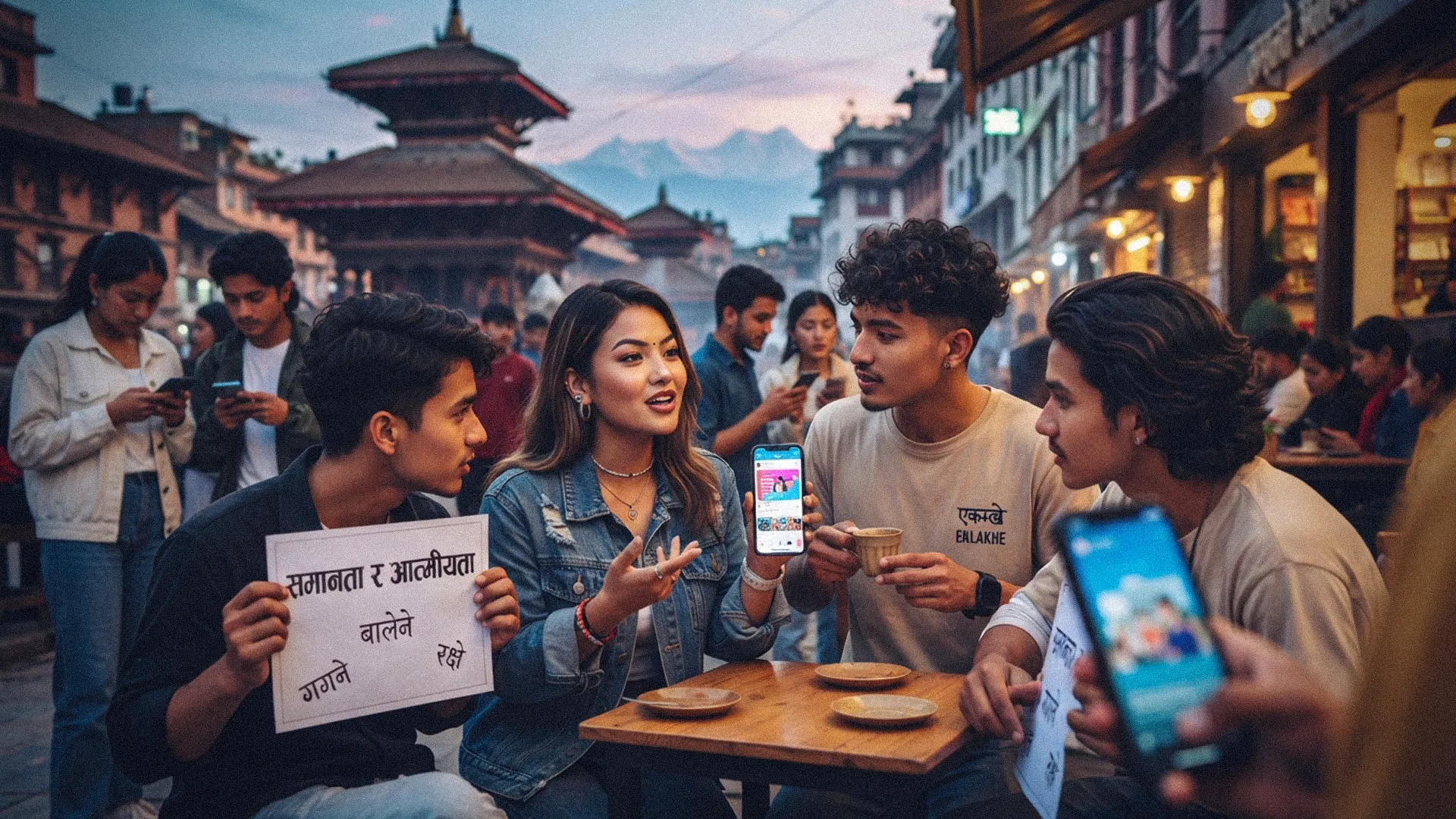
Public Expectations: Citizens continue to press for tangible reforms in job creation, corruption control, economic recovery, and good governance.
-
Regional Ripple Effects: Events unfolding in Bangladesh carry the potential to influence political discourse and public perception across South Asia.
Observers emphasize that Bangladesh’s crisis underscores a vital lesson: political transition alone does not guarantee long-term stability. When political confrontation, public discontent, and institutional distrust rise simultaneously, even established political systems face severe strain.
While Nepal’s domestic context differs from that of Bangladesh, analysts stress the importance of closely monitoring regional developments. The coming months will test whether the Balendra Shah government can address opposition demands through democratic and constitutional channels or if deepening polarization will push the country toward renewed nationwide unrest.