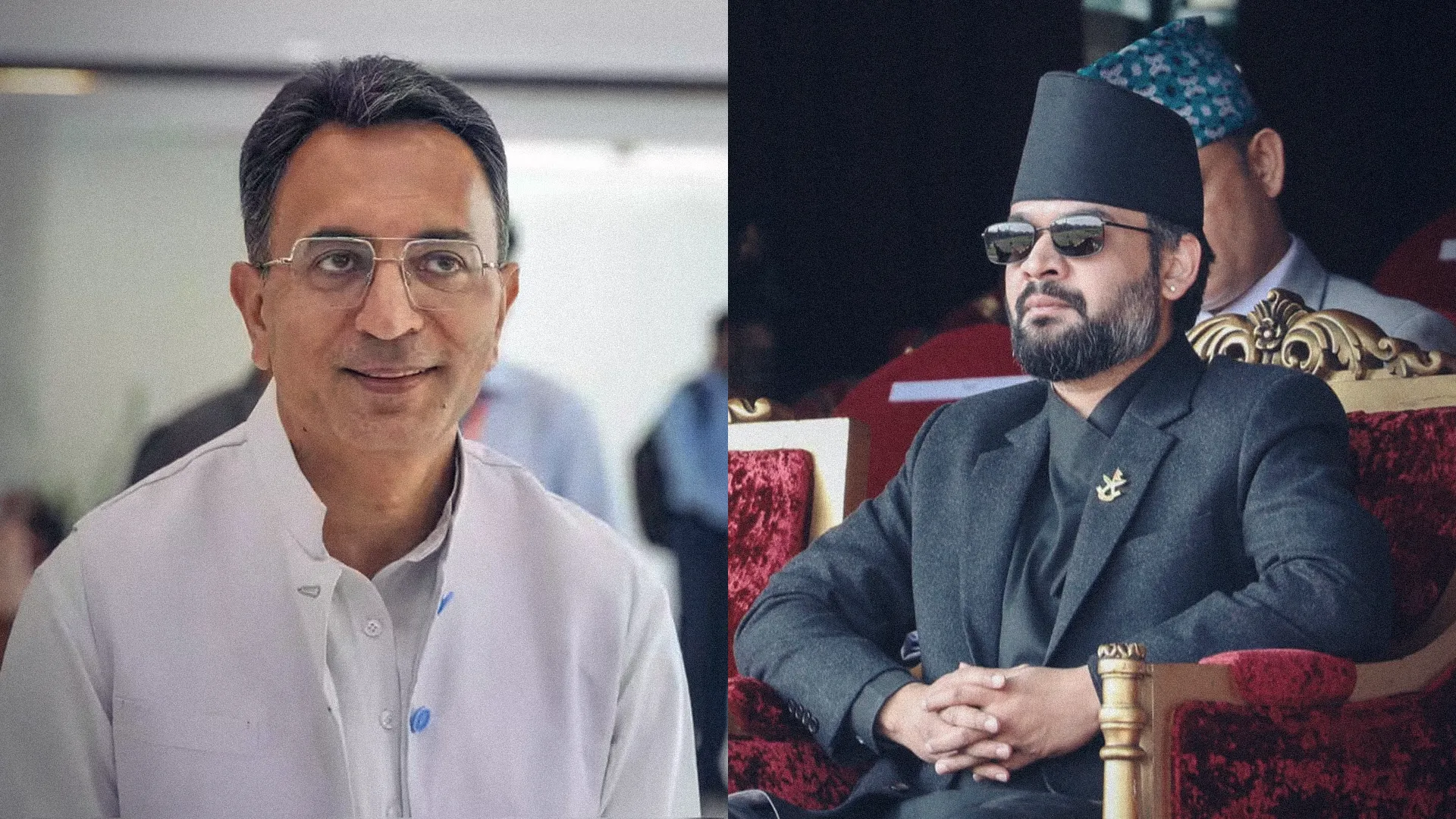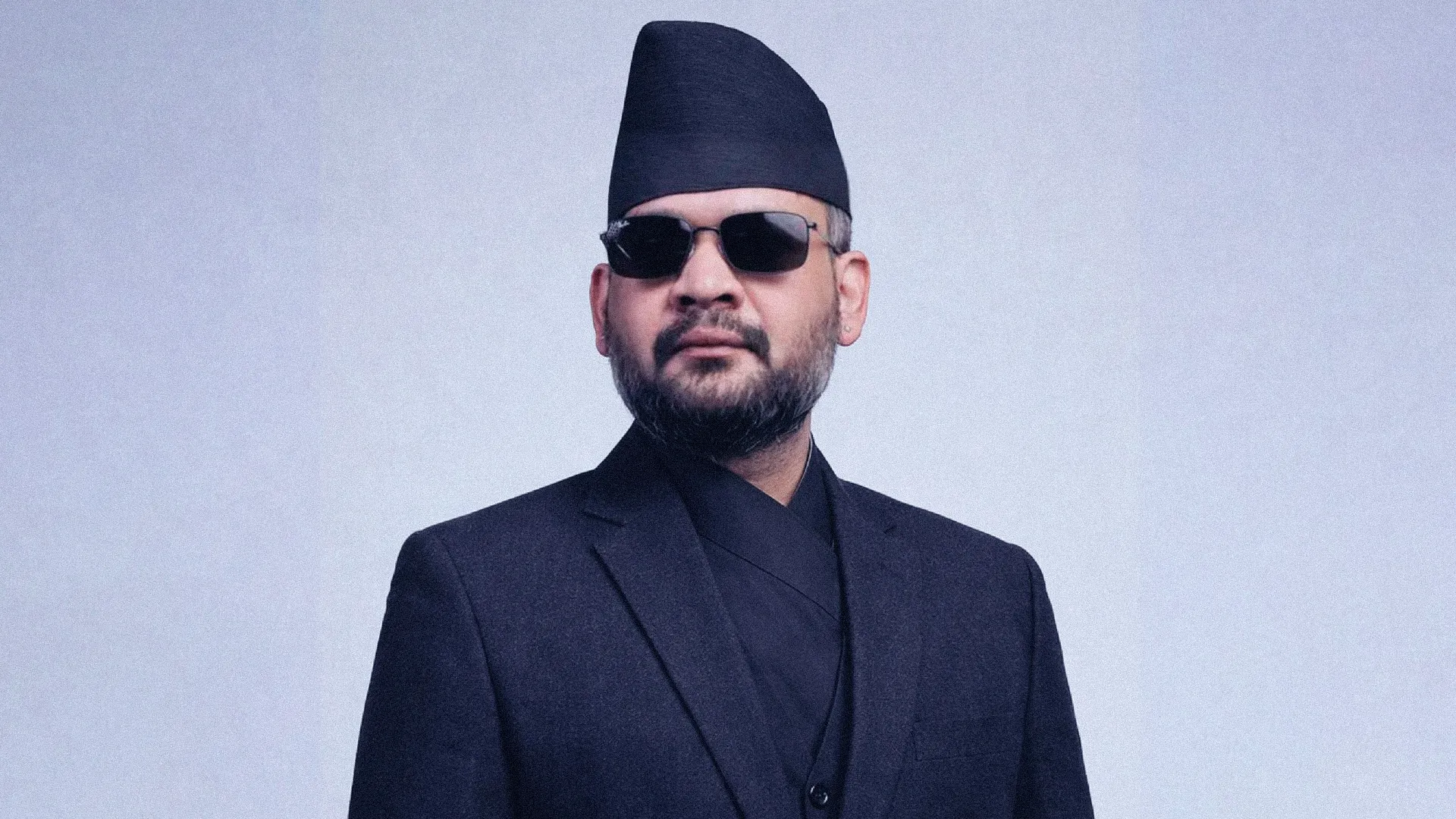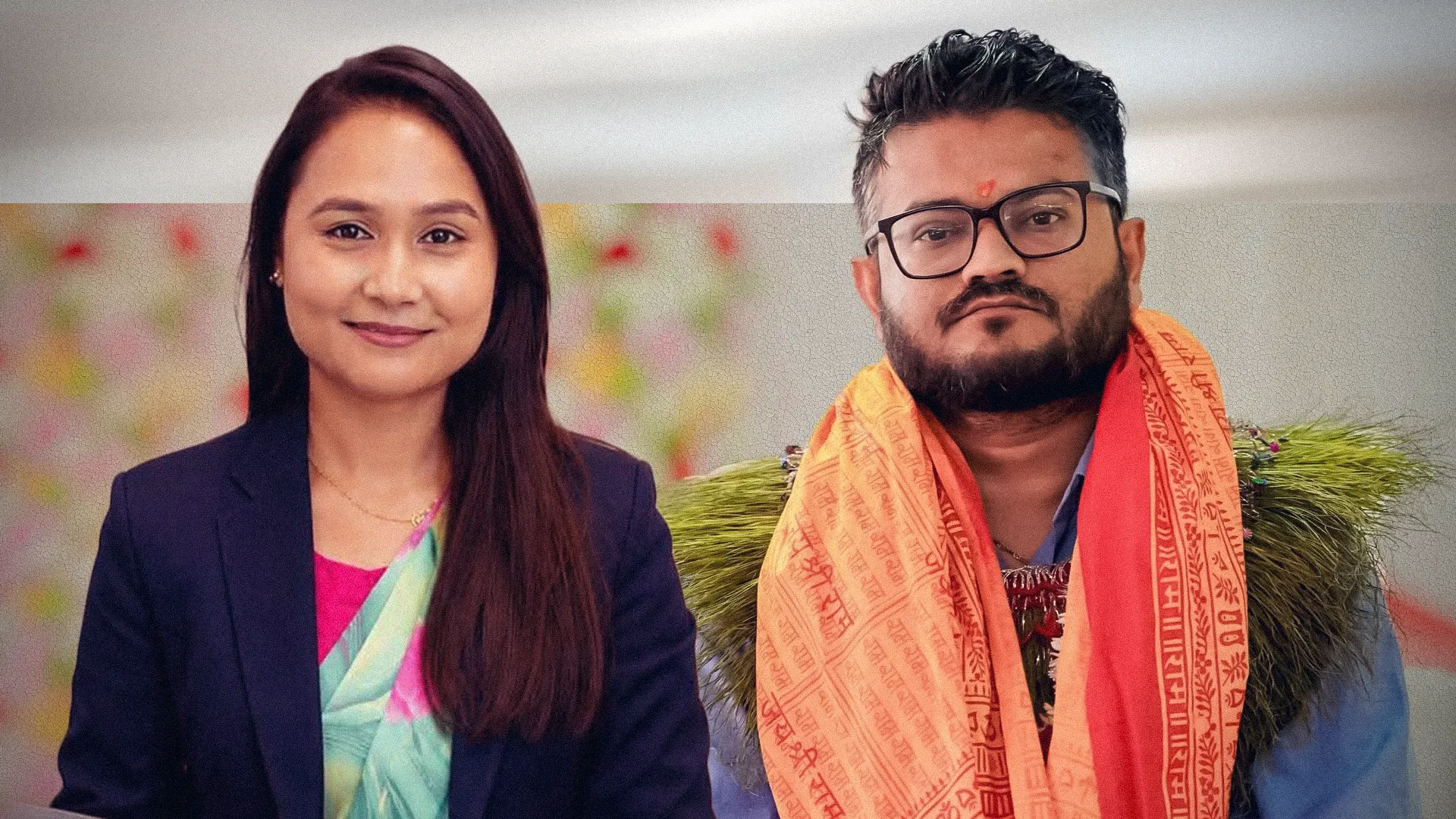


Nepali Prime Minister Balendra Shah (Balen) is set to be accorded a ceremonial Guard of Honor with grand state honors at Rashtrapati Bhavan in New Delhi during his official state visit to India. Although he skipped the traditional formal farewell and guard of honor ceremony upon departure at Tribhuvan International Airport in Kathmandu, he will receive a special state salute in New Delhi in accordance with the Indian government's high diplomatic protocol.
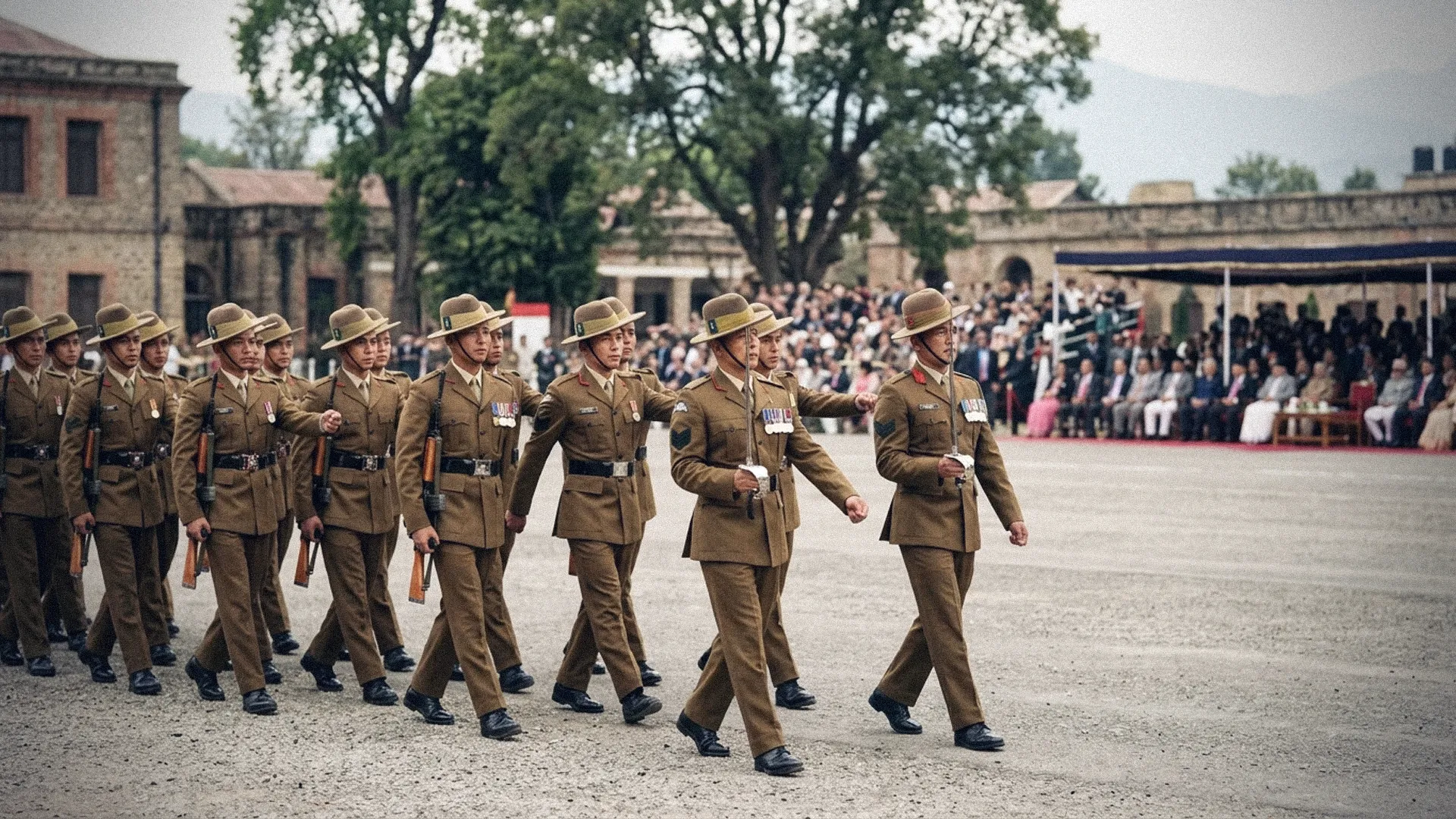
In India, this formal Guard of Honor, presented to welcome visiting foreign heads of state and heads of government, traditionally features a joint contingent from all three branches of the Indian Armed Forces—the Army, Navy, and Air Force (tri-service). In particular, the active participation of units from the Indian Army’s historic Gorkha Regiment in the ceremonial security and salute arrangements at Rashtrapati Bhavan carries special emotional and diplomatic significance during Prime Minister Shah’s visit.
The Indian Army’s Gorkha Regiment has long served as a vital and historic bridge in the multifaceted relations between Nepal and India. Following India's independence in 1947, the Gorkha regiments of the then British-Indian Army were divided between India and the United Kingdom under a tripartite agreement signed by Nepal, India, and Britain. Following that agreement, six Gorkha regiments were integrated into the Indian Army, and with the subsequent raising of the 11th Gorkha Rifles, more than three dozen battalions across seven Gorkha regiments currently serve in the Indian Army.
The 1947 agreement guarantees Nepali citizens the right to enlist in the Indian Army while retaining their Nepali nationality, receive salaries, allowances, medical treatment, and pensions on par with Indian soldiers, and lead a dignified life back in Nepal after retirement. Currently, tens of thousands of Nepali Gorkha soldiers are serving in the Indian Army, while more than 90,000 Indian ex-servicemen and their dependent families reside across various districts of Nepal.
Similarly, the unique and cordial tradition between the armies of Nepal and India of conferring the honorary rank of General on each other's Chief of Army Staff, which has continued uninterrupted since 1972, has further strengthened bilateral military ties. For the welfare of ex-Gorkha soldiers, the Indian Army has also been continuously providing assistance in rural areas of Nepal for drinking water projects, micro-hydropower, health camps, and educational infrastructure development.
Prime Minister Shah, who arrived in New Delhi on his first official bilateral foreign visit since assuming office, is scheduled to lay a wreath at Mahatma Gandhi's memorial at Rajghat after receiving the tri-service and Gorkha Regiment Guard of Honor at Rashtrapati Bhavan. Thereafter, he will hold bilateral talks with his Indian counterpart Narendra Modi at Hyderabad House and sign several important agreements. Alongside political and diplomatic dialogue, the valor, history, and unbreakable people-to-people ties of the Gorkha soldiers have made Prime Minister Shah’s visit even more meaningful.