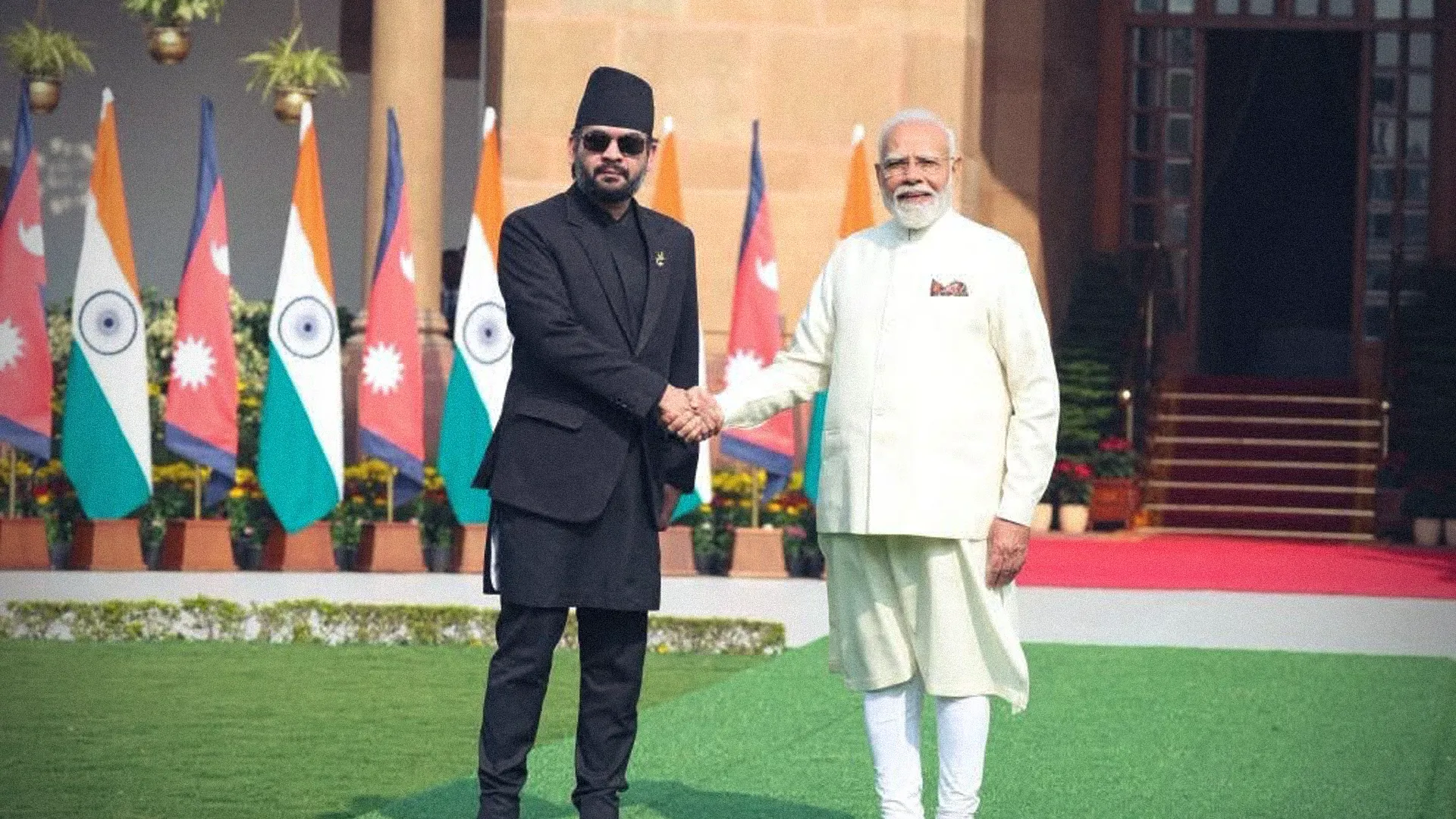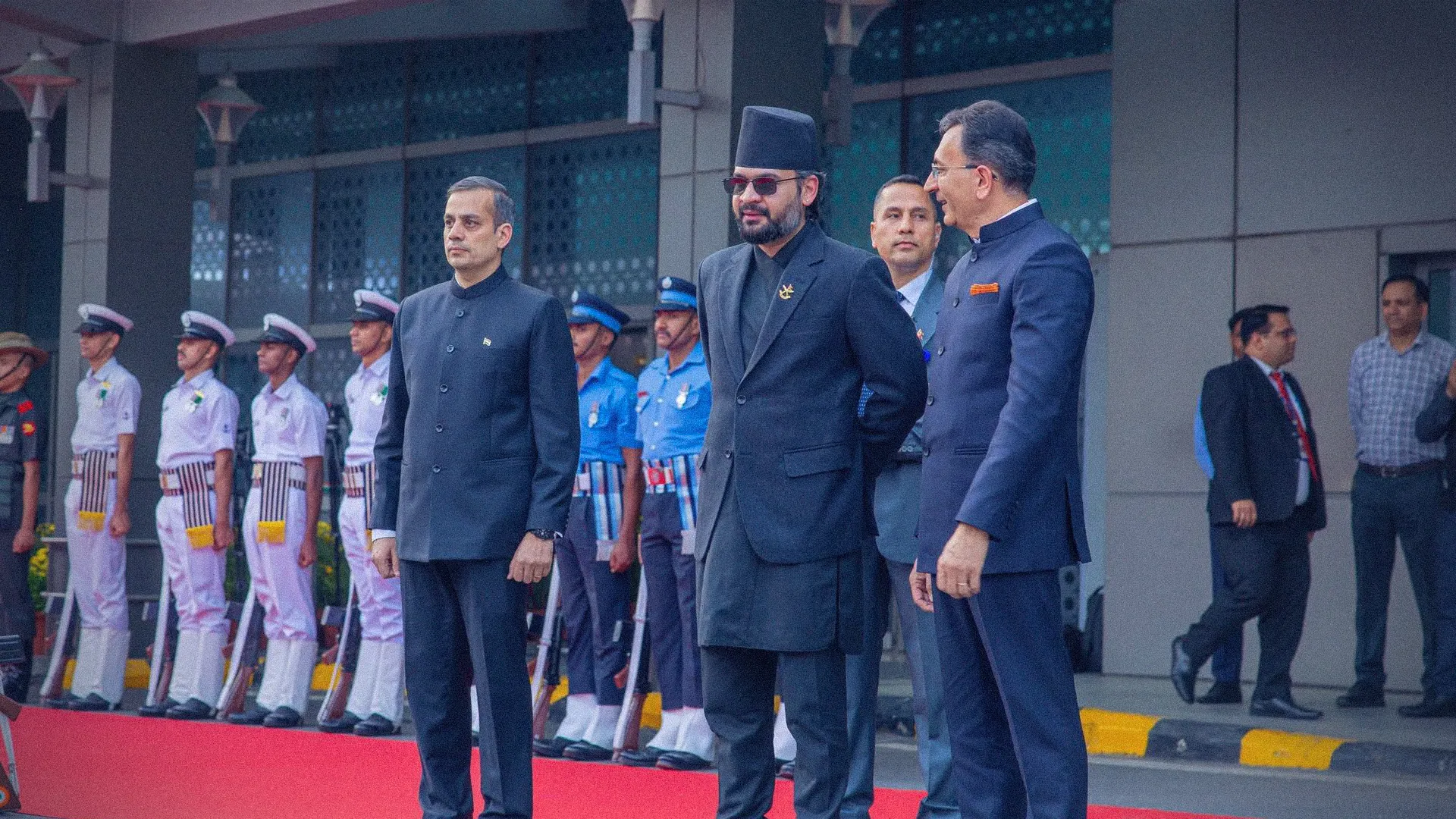


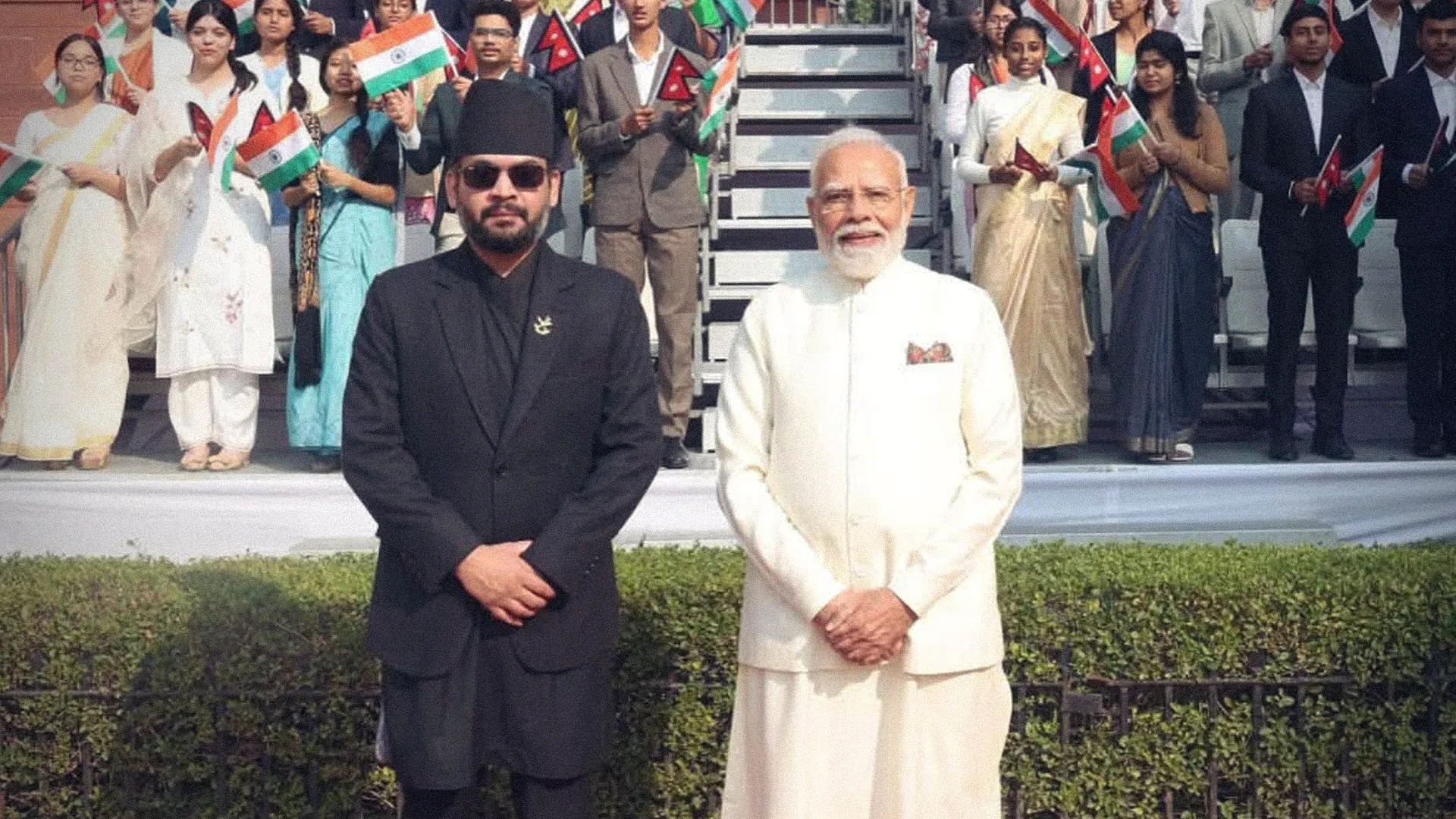
NEW DELHI, Nov. 23 — Nepal and India adopted a 10-pillar Joint Vision document in New Delhi on Monday to build a modern, results-oriented bilateral partnership, following state visit talks between Prime Minister Balendra Shah and Indian Prime Minister Narendra Modi.
Prime Minister Shah paid a state visit to India from November 22 to 23, 2026, at the invitation of Prime Minister Modi. During comprehensive talks, the two leaders reviewed bilateral ties and adopted the roadmap titled "Viksit Bharat and Samunnat Nepal: Re-imagining the Partnership," which aligns India's "Viksit Bharat 2047" vision with Nepal's "Samunnat Nepal" aspiration.
Nepal conveyed its appreciation for India's humanitarian and search-and-rescue assistance following the August 2026 floods and debris flows in the Rasuwa-Trishuli basin and other areas, with both sides agreeing to remain engaged on reconstruction support.
Treaty Review and Financial Assistance
The two prime ministers agreed that existing bilateral agreements, including the 1950 Treaty of Peace and Friendship, could be reviewed based on mutual consent to reflect contemporary political, economic, and technological realities. They also committed to resolving all outstanding issues regarding water resources, energy, trade, commerce, and boundary through mutual dialogue.
Under the economic partnership pillar, India announced development assistance of INR 15,000 crore (NPR 24,000 crore) for Nepal. This includes INR 3,500 crore (NPR 5,600 crore) in grant assistance for post-disaster reconstruction and new infrastructure, alongside a Rupee-denominated Line of Credit of INR 11,500 crore (NPR 18,400 crore) for energy projects.
Both countries will review trade and investment frameworks, open new transit and air routes, encourage Indian investment in Nepal's priority sectors, and cooperate on cross-border special economic zones and IT parks.
Physical, Digital, and Energy Connectivity
Welcoming the launch of the direct express rail service between Ayodhya and Janakpur and the motorable bridge over the Mahakali River connecting Dharchula and Darchula, the leaders agreed to accelerate key infrastructure projects. These include expediting Integrated Check Posts at Bhairahawa-Sunauli and building new ones at Banbasa-Dodhara Chandani.
Both sides pledged to complete the final sections of the Jayanagar-Bardibas and Jogbani-Biratnagar rail lines. Following the finalization of the Raxaul-Kathmandu Rail Link survey, they agreed to collaborate on Nepal's East-West Rail Link, prioritizing the Bardibas-Nijgadh and Birgunj-Nijgadh sections.
Additional connectivity initiatives include constructing a Siliguri-Jhapa petroleum pipeline, exploring a cross-border gas pipeline, expediting cross-border retail payments through India's UPI and Nepal's national payment system, and maintaining an open yet secure border against cross-border crime.
In energy and climate resilience, both nations will encourage hydropower and transmission investments, expand power trade, and accelerate multipurpose projects including Pancheshwar, Saptakoshi, and Sunkoshi. They also agreed to institutionalize real-time hydro-meteorological data sharing, glacial lake monitoring, joint disaster response exercises, and a green hydrogen pilot project in Nepal.
Governance, Technology, and Education
To support the "Digital Nepal Framework," India will share expertise in digital identity, payments, and e-governance, while training Nepali civil servants at the National Centre for Good Governance. Legislative and local governance exchanges will also be strengthened.
In technology and space, both sides will expand the Indian-Nepal Startup Partnership Network, establish a Startup Centre of Excellence in Kathmandu and a Digital Nomads and Innovation Hub in Pokhara, and develop digital parks and data centers. Cooperation will also cover 5G/6G networks, a Nepali Large Language Model with Bhashini, and satellite and remote sensing projects between the Nepal Academy of Science and Technology, ISRO, and IN-SPACE.
Under education and skill development, the two nations will explore opening campuses of Indian higher education institutions in Nepal starting with an Indian Institute of Technology (IIT), expand scholarships in law, technology, and artificial intelligence, and establish an Indian-assisted vocational training institute.
Health, Agriculture, Culture, and Sports
In health, India will continue building health posts, birthing centers, and hospitals under the High-Impact Community Development Project modality, assist in upgrading Nepal's National Medical Laboratory, and establish India-Nepal Jan Aushadhi Kendras for affordable medicines. Research and regulatory ties between ICMR and NHRC, as well as CDSCO and Nepal's Department of Drug Administration, will also be deepened.
Agricultural cooperation includes establishing an Agro-Industrial Park in Chitwan with Indian grant assistance, setting up an Indian Council of Agricultural Research (ICAR) Centre of Excellence in Nepal, and expediting the 2026-2030 ICAR-NARC work plan.
Cultural and tourism initiatives feature developing Ramayana, Buddhist, and Shiv-Shakti religious circuits, establishing a Nalanda Centre at Lumbini Buddhist University, hosting an annual youth cultural festival, and encouraging familiarization visits for content creators. In sports, India will support a national cricket coaching academy in Nepal, host provincial Nepali cricketers for training, explore multi-sports centers and joint mountain expeditions, and encourage cross-border league participation.
Implementation Mechanism
To ensure timely execution, the two leaders activated the High-Level Monitoring Group led by Nepal's Foreign Secretary and India's Ambassador, which will meet at least once every six months. The group will report to the India-Nepal Joint Commission co-chaired by both Foreign Ministers, with its next meeting scheduled for 2027.