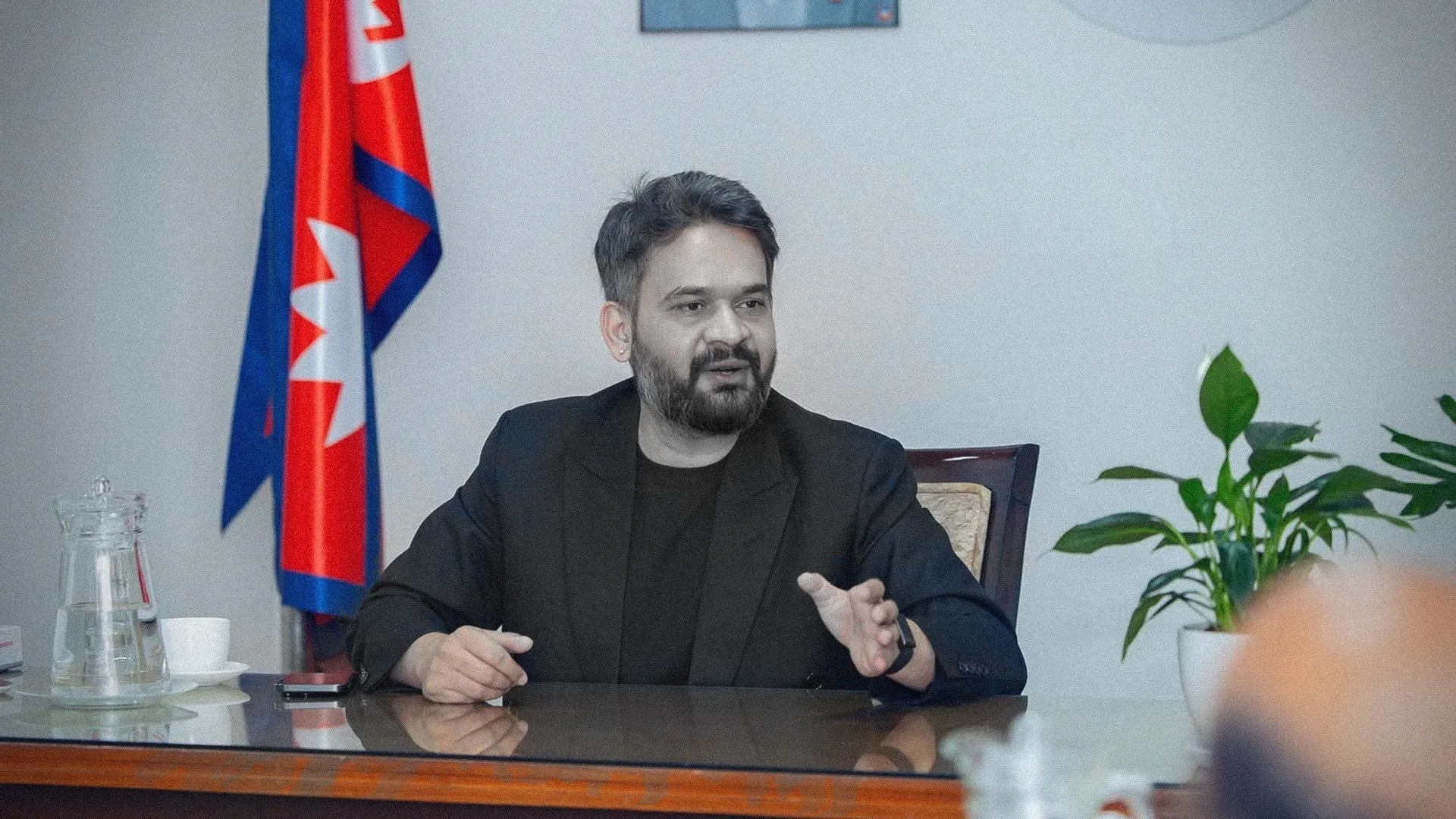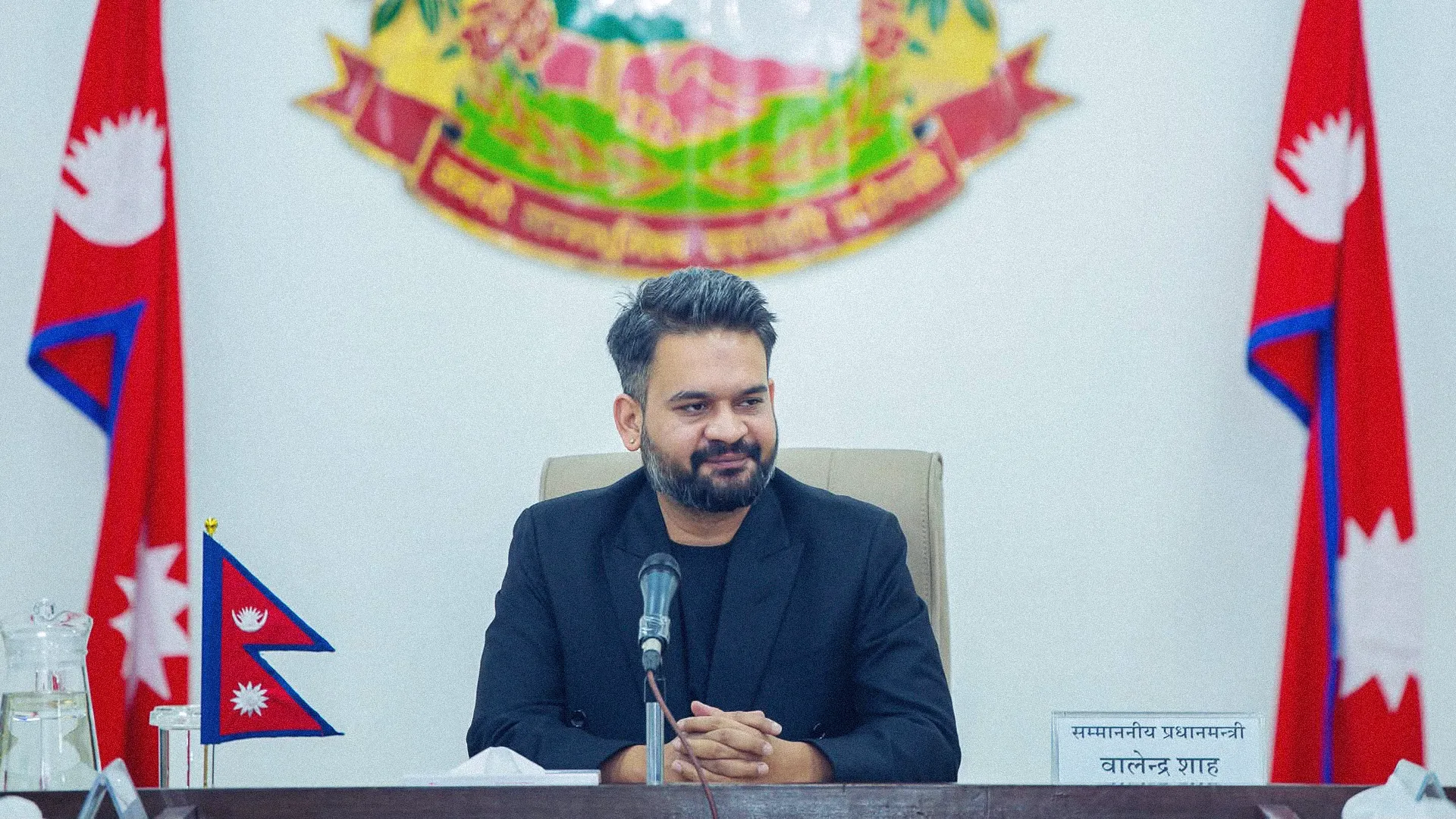


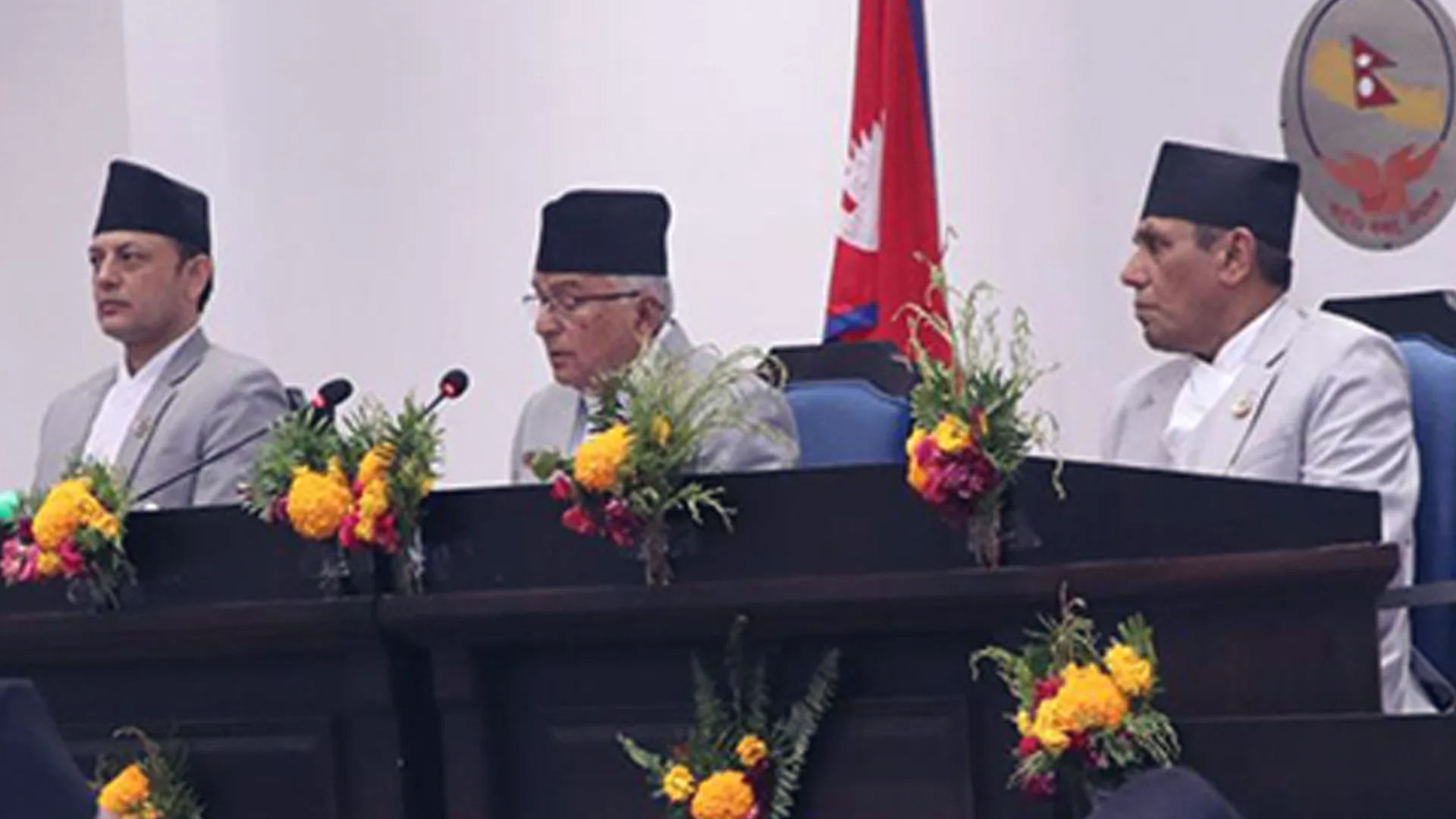
In a landmark move to integrate the global Nepali diaspora into the national economic fabric, the Government of Nepal has introduced a sweeping array of initiatives within its Policy and Program for the fiscal year 2083/84. Presented by President Ramchandra Paudel before a joint session of the Federal Parliament on Monday, the roadmap prioritizes the protection of migrant workers while creating sophisticated legal corridors for non-resident investment.
Central to this new strategy is the institutionalization of diaspora expertise through the establishment of a "Knowledge Bank" and a "Diaspora Expert Network." To further incentivize high-level financial commitment, the government has launched the "Nepal Investment Visa," specifically targeting significant foreign and non-resident investors. This is supported by reinforced legal guarantees for capital security and a streamlined system for the repatriation of profits, ensuring that financial contributions from abroad are both protected and productive.

Interested in this ad?
Would you like to continue to the link or provide your information for more details?
Please provide your information
To continue, please fill in your details
For the millions of Nepalis working in the labor sector, the government is shifting toward a digital-first protection model. A "Central Response Unit" will operate 24/7 within the Ministry of Foreign Affairs, complemented by rapid rescue teams at foreign missions. Additionally, the digital "Skill Passport" system aims to certify the expertise of returning migrants, easing their transition back into the domestic job market. To redirect consumption-heavy remittances toward long-term assets, a "Remittance-Investment Matching Fund" will be operationalized to discourage informal channels like Hundi.
Looking toward the next decade, the government has declared 2083/84 to 2092/93 as the "Employment Promotion Decade." This visionary approach includes a "Reverse Migration" package to encourage citizens to return and innovate at home, alongside a formal "Remote Work" policy. The latter is designed to allow IT professionals to serve global employers while residing in Nepal, effectively turning the country into a hub for international digital services. These measures signify a transition from traditional diplomacy to a proactive "Brand Nepal" campaign, positioning the nation as a competitive destination for education, health, and technology.