

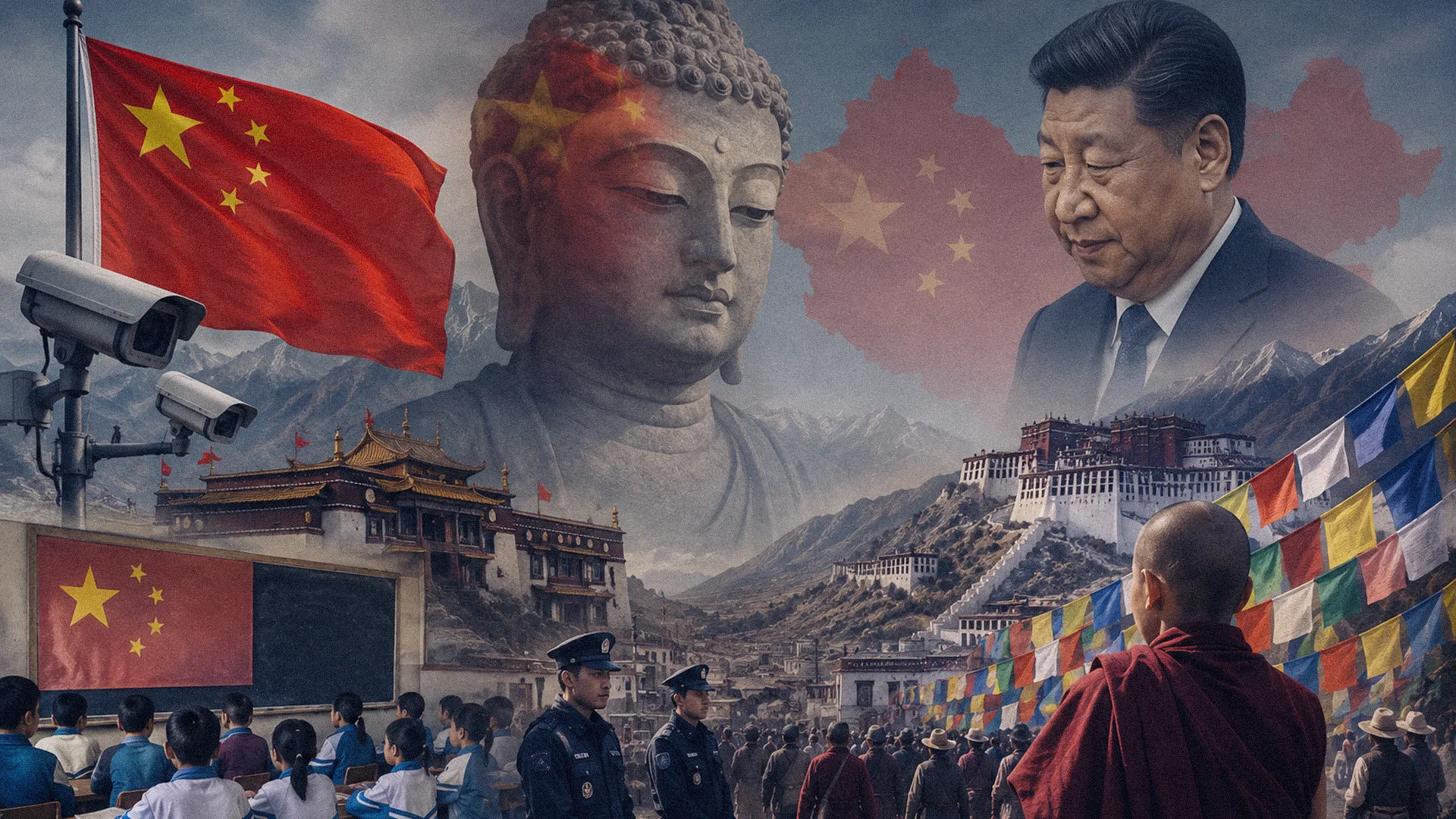
Beijing has significantly ramped up its campaign of ideological dominance and cultural assimilation within Tibet, according to various international findings. The Chinese Communist Party is reportedly tightening its grip on Tibetan Buddhism, native linguistics, and long-standing traditions to ensure total political compliance.
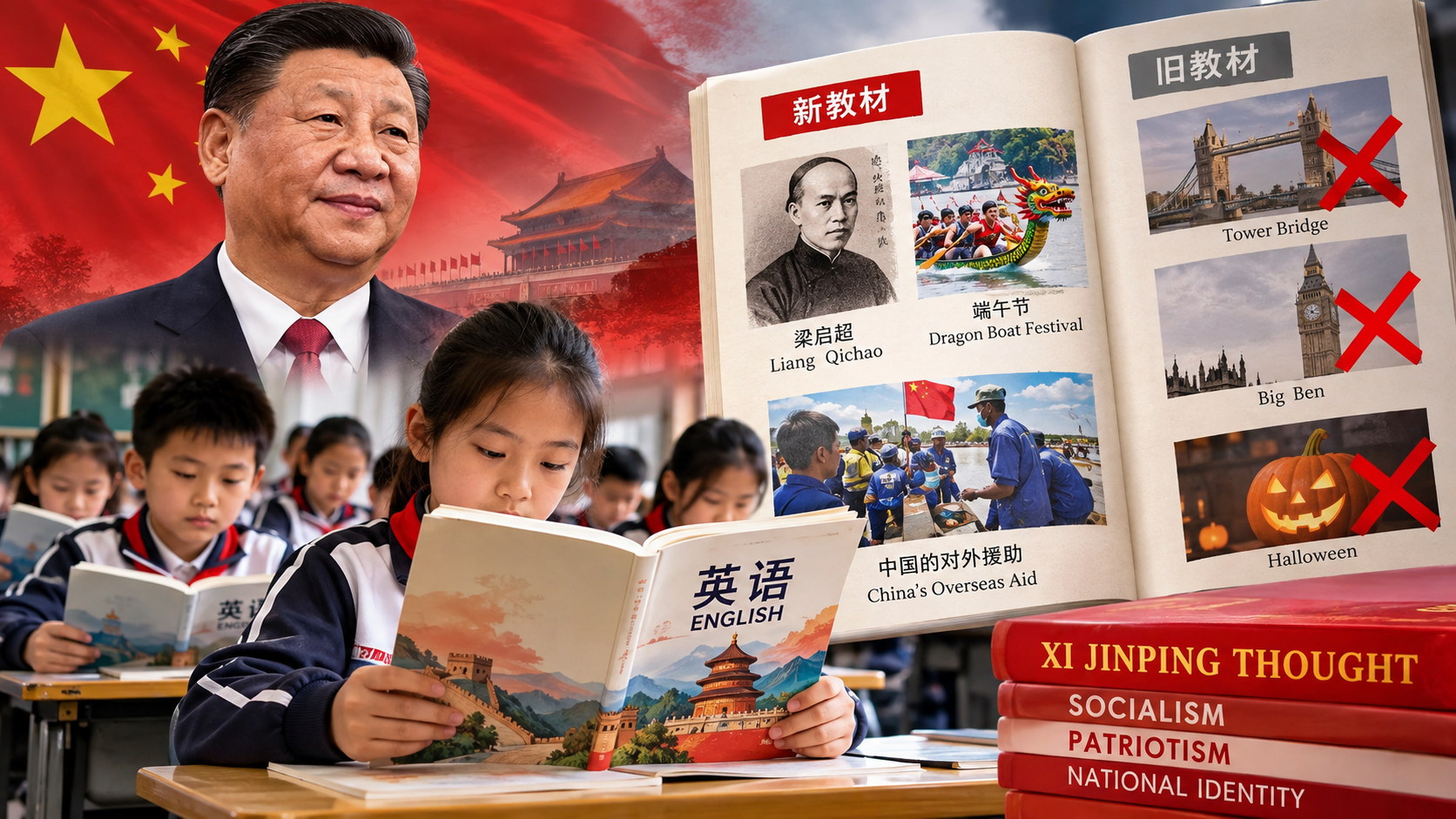
Recent documentation reveals a striking shift in religious training programs, where the teachings of President Xi Jinping are being prioritized over traditional spiritual doctrines. This strategy appears aimed at placing all religious institutions under the direct and absolute command of the state.
The systematic marginalization of the Tibetan language remains a core concern. Experts note that Mandarin is being enforced as the primary medium in schools, effectively eroding the cultural foundation of the younger generation while limiting their connection to their heritage.

Interested in this ad?
Would you like to continue to the link or provide your information for more details?
Please provide your information
To continue, please fill in your details
Technological surveillance has become a cornerstone of this "stability" initiative. Digital monitoring and re-education programs are being utilized to track social behavior and stifle any form of dissent, including subtle cultural expressions like satire and humor.
This tightening of control has forced a wave of self-censorship across Tibetan society. As individuals navigate an environment of constant oversight, the space for authentic cultural and political expression continues to shrink under the weight of state-mandated narratives.
For neighboring regions like Nepal, these developments carry significant geopolitical weight. Given its role as a sanctuary for refugees and its shared Himalayan Buddhist ties, Nepal faces ongoing pressure to monitor and restrict Tibet-related activities within its own borders.