

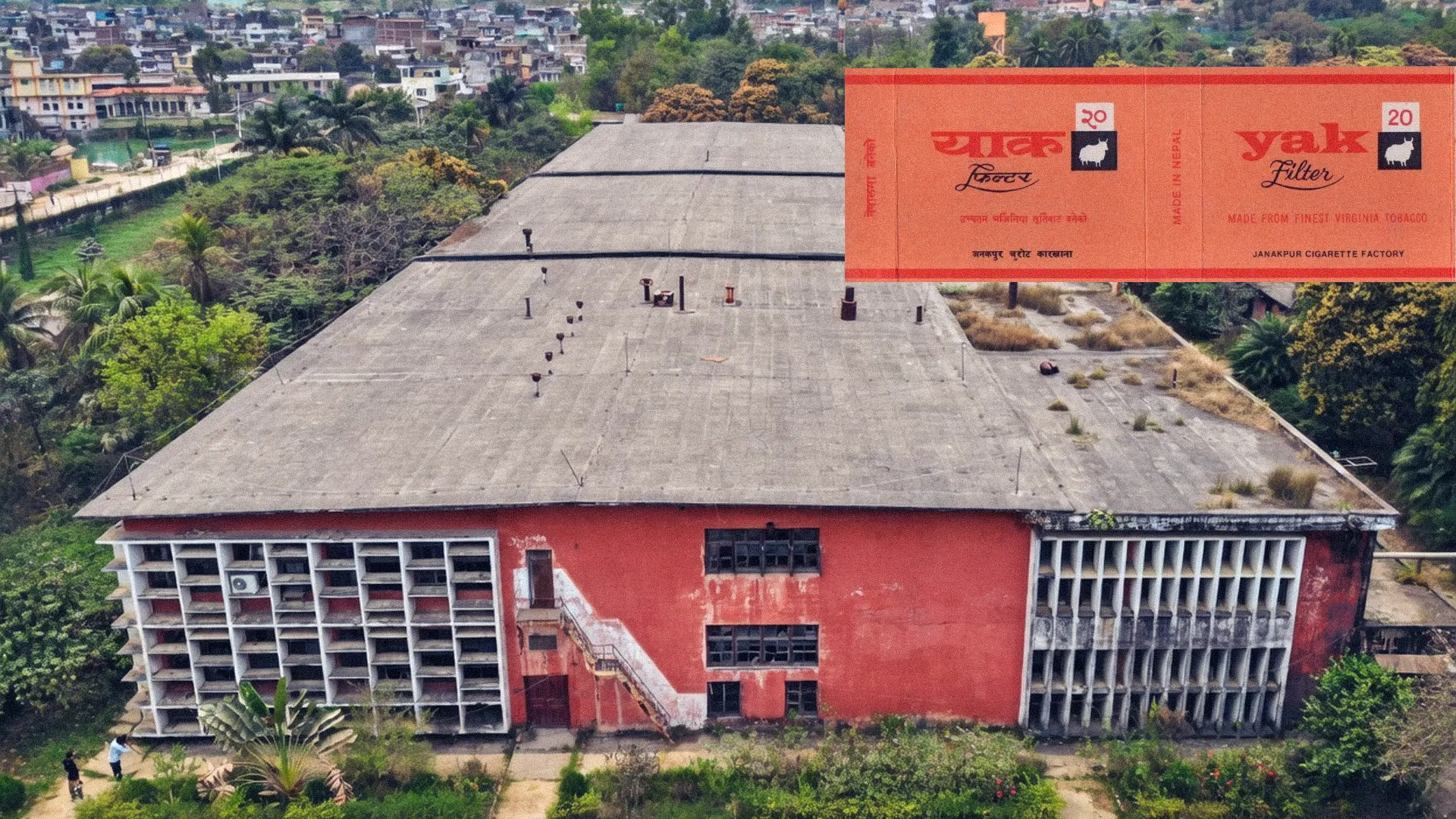
The dormant halls of the Janakpur Cigarette Factory have become the center of a high-stakes national discourse in Nepal. Once an industrial titan that churned out up to 4 billion cigarettes every year, the state-owned enterprise has remained shuttered for years, a victim of obsolete machinery, logistical breakdowns, and administrative collapse. Now, a fresh push to bring the facility back to life is forcing the government to choose between fiscal revitalization and the physical well-being of its citizens.
At the heart of the debate is the undeniable economic footprint the factory once held. During its prime, it served as a massive source of tax revenue and provided thousands of livelihoods. Supporters of the revival argue that by integrating modern technology and opening the doors to private sector investment, the factory could once again become a pillar of Nepal’s industrial output. For Janakpur’s local economy, such a move would signal a significant return of jobs and market activity.

Interested in this ad?
Would you like to continue to the link or provide your information for more details?
Please provide your information
To continue, please fill in your details
However, this industrial ambition faces a formidable wall of opposition from public health experts. Critics contend that restarting a massive tobacco production hub is fundamentally at odds with the state's responsibility to reduce tobacco-related illnesses. They warn that the social costs of increased health burdens could potentially eclipse the financial benefits derived from production taxes and employment.
As the government evaluates these conflicting paths, it must navigate the intricate demands of industry stakeholders while addressing regulatory hurdles. The ultimate decision will set a precedent for how Nepal prioritizes state-led industrialization in an era of heightened health consciousness. Whether Janakpur's landmark factory returns to production or finds a new purpose remains an unresolved chapter in the nation’s economic planning.