


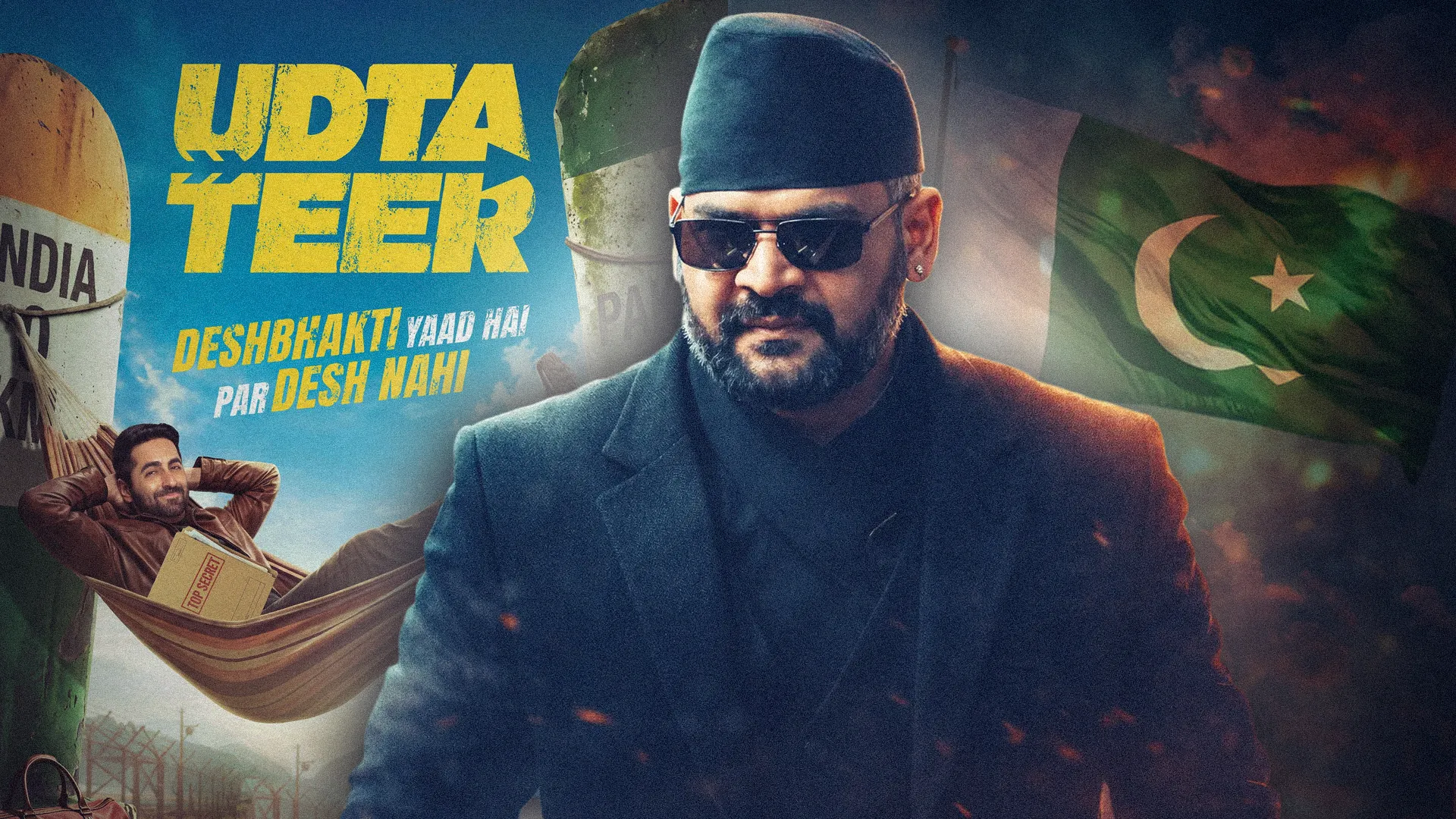
The ban on the Bollywood comedy film 'Udta Teer', starring Ayushmann Khurrana and Sara Ali Khan, in Nepal has sparked intense debate across diplomatic, political, and social circles. Citing Section 8(3) of the Motion Picture Act, 2026, Nepal's Central Film Censorship Board refused to grant a screening permit to National Cine Group, the film's distribution company. According to the board, the ban was imposed on the grounds that the film's storyline depicts tensions between India and Pakistan, which could disrupt relations with friendly nation Pakistan.
Based on previous reviews, 'Udta Teer' is a pure satire in which Ayushmann Khurrana plays a Pakistani spy. After losing his memory in an accident, he starts believing he is a staunch Indian patriotic soldier, leading to a 'comedy of errors' that satirizes the political situation and the Pakistani regime. Expressing political scenarios through satire is considered completely acceptable and normal in a democratic system. However, banning a satirical film under the guise of diplomatic sensitivity highlights the government's conservative stance on freedom of expression.
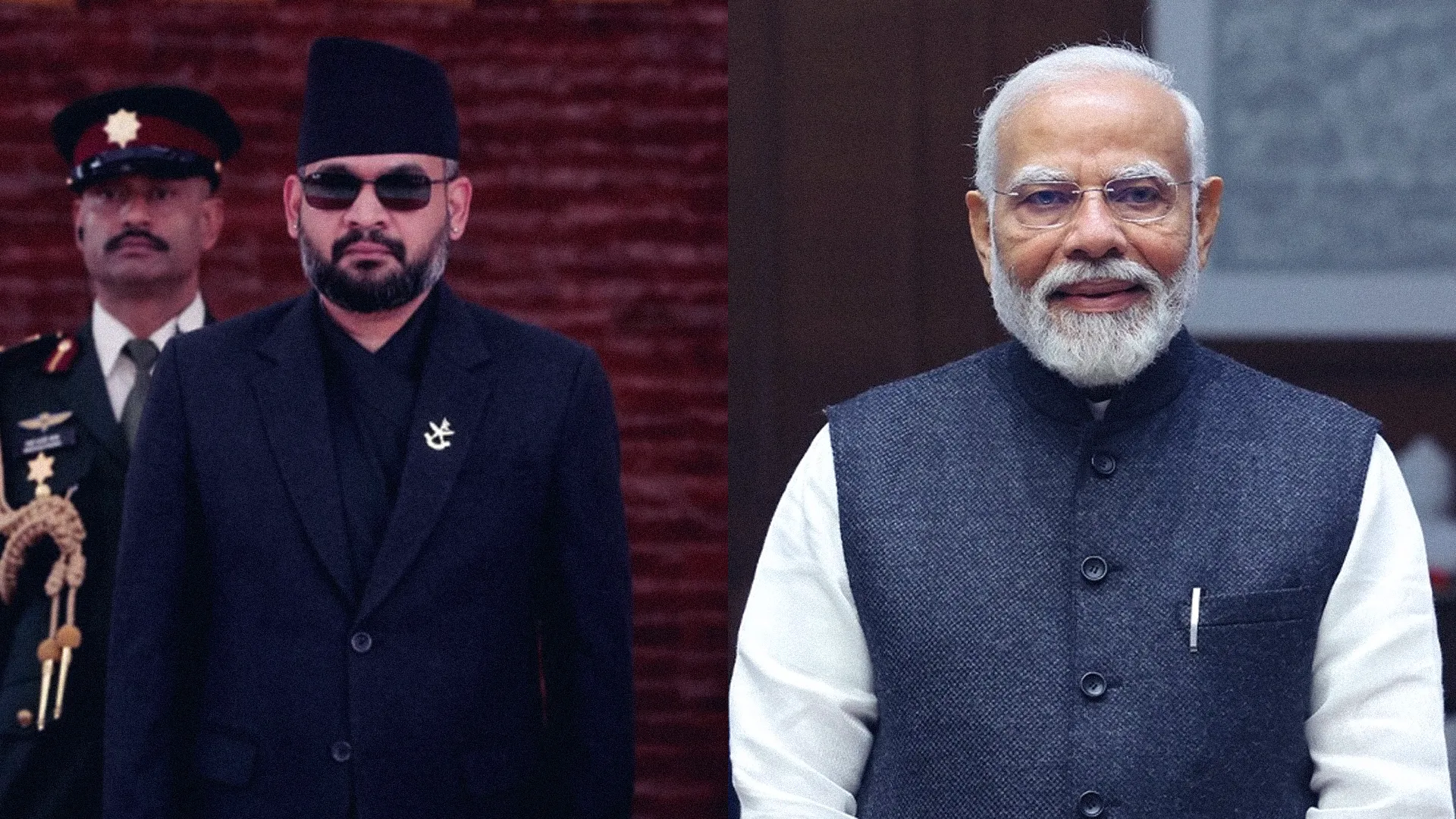
This decision raises serious questions about the policies and intentions of current Prime Minister Balendra Shah. Notably, he had previously courted controversy and headlines by banning Hindi films during his tenure as Mayor of Kathmandu Metropolitan City. Prime Minister Shah is scheduled to visit India at the end of November 2026. By banning an Indian film on the eve of such an important diplomatic visit, what message is he trying to send to New Delhi? Is this a continuation of his past anti-India stance, or an attempt to maintain a so-called 'nationalist' image in domestic politics?

Interested in this ad?
Would you like to continue to the link or provide your information for more details?
Please provide your information
To continue, please fill in your details
The serious geopolitical and social questions currently emerging in society cannot be ignored either. Intellectuals and critics have begun viewing this ban as an expression of rising 'anti-India nationalism'. It is natural to ask why Nepal is showing such one-sided sensitivity and inclination toward Pakistan over a simple Bollywood comedy film. In this context, some analysts have also expressed suspicions that alleged growing radical activities and demographic shifts in Nepal's Terai and hilly regions might be indirectly influencing such decisions. A serious debate has begun over whether the government is applying such censorship under pressure to appease a specific group.
The beauty of democracy rests on its tolerance and freedom of expression. Humor and satire cannot shake the foundations of any strong nation. Although the government claims to maintain diplomatic balance by banning a film like 'Udta Teer', it has struck a blow against freedom of speech in Nepal. Taken ahead of Prime Minister Balendra Shah's upcoming India visit, this move will long raise questions about growing geopolitical tilt and conservative censorship trends within Nepal.