

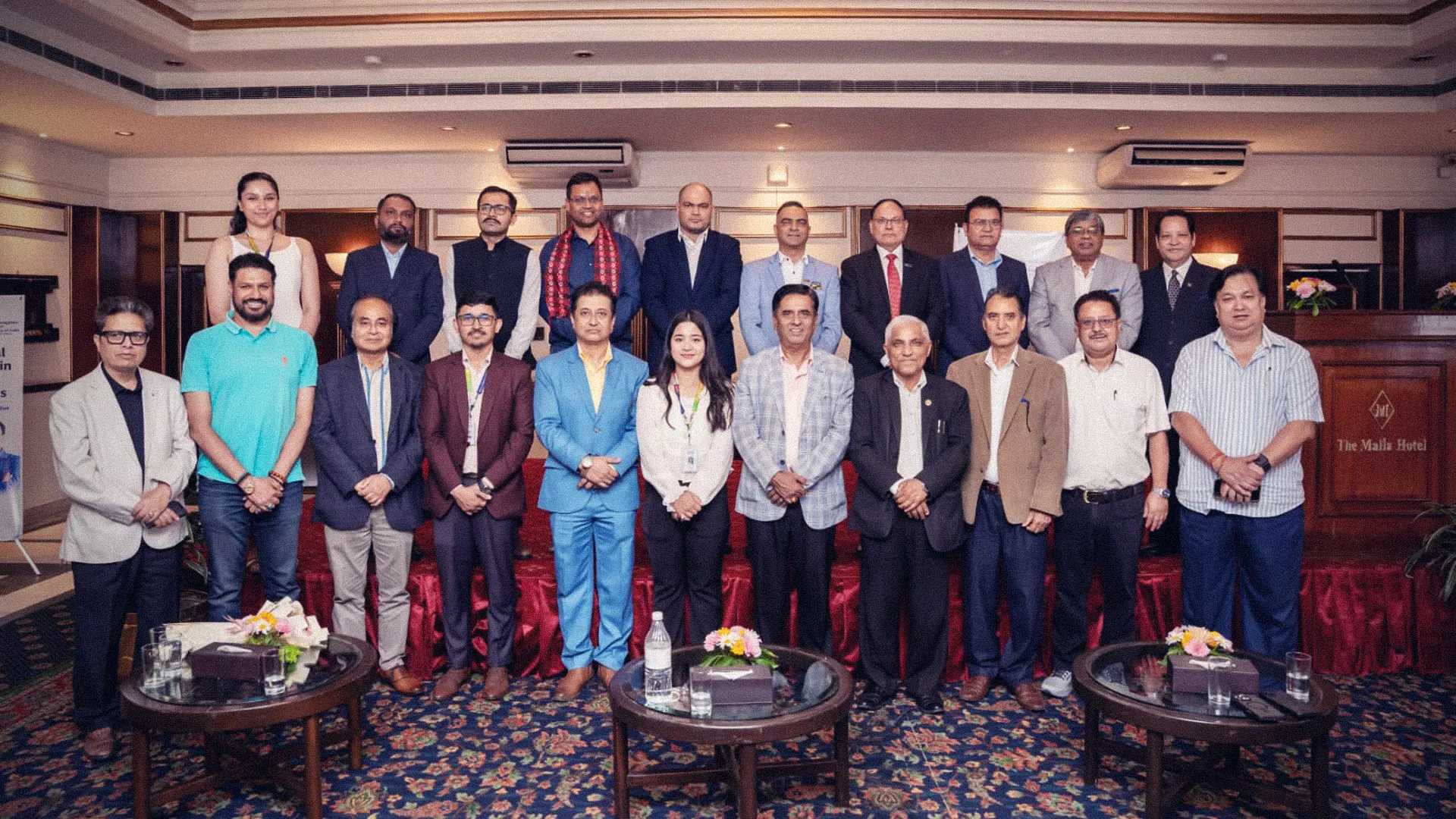
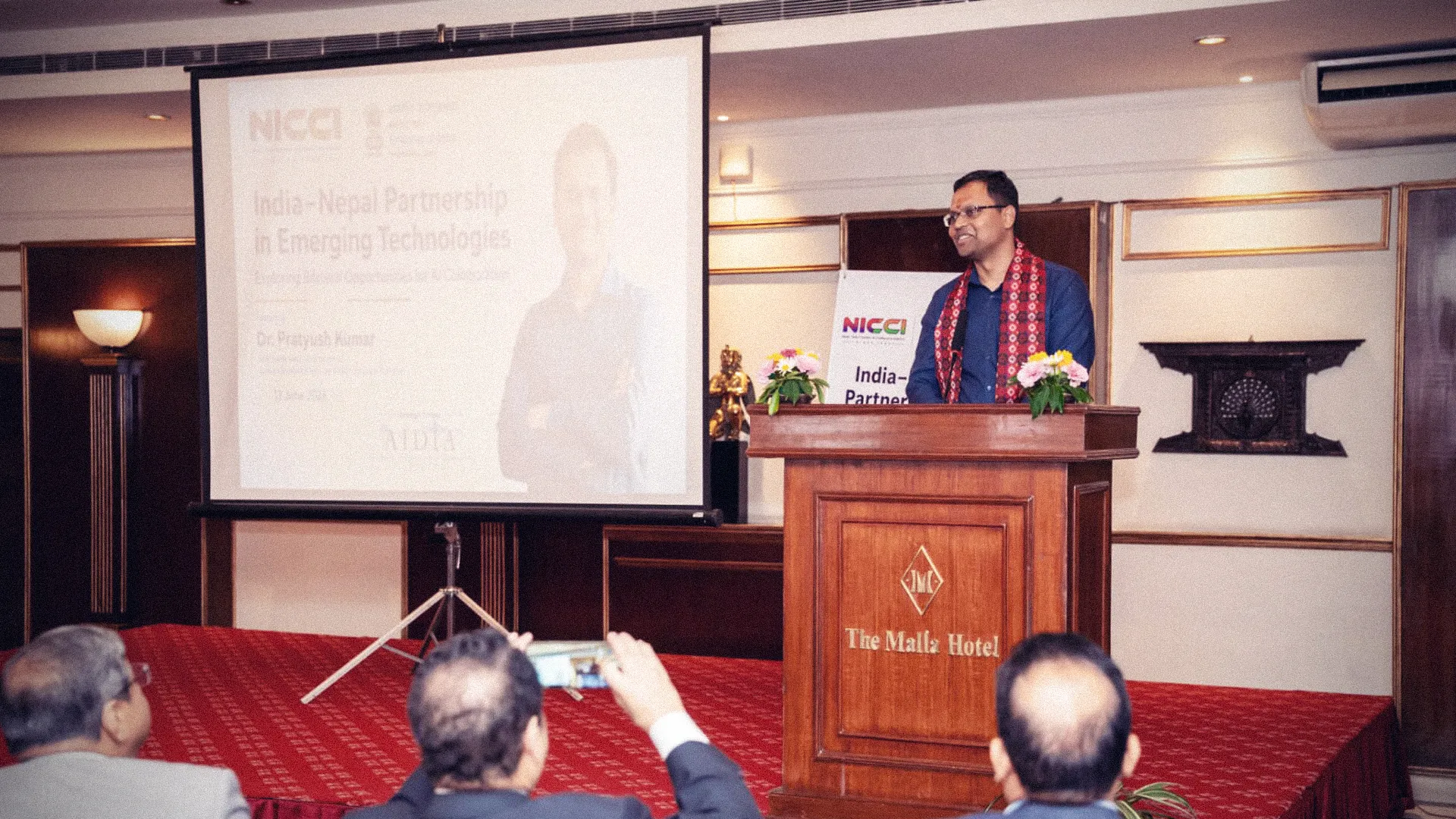
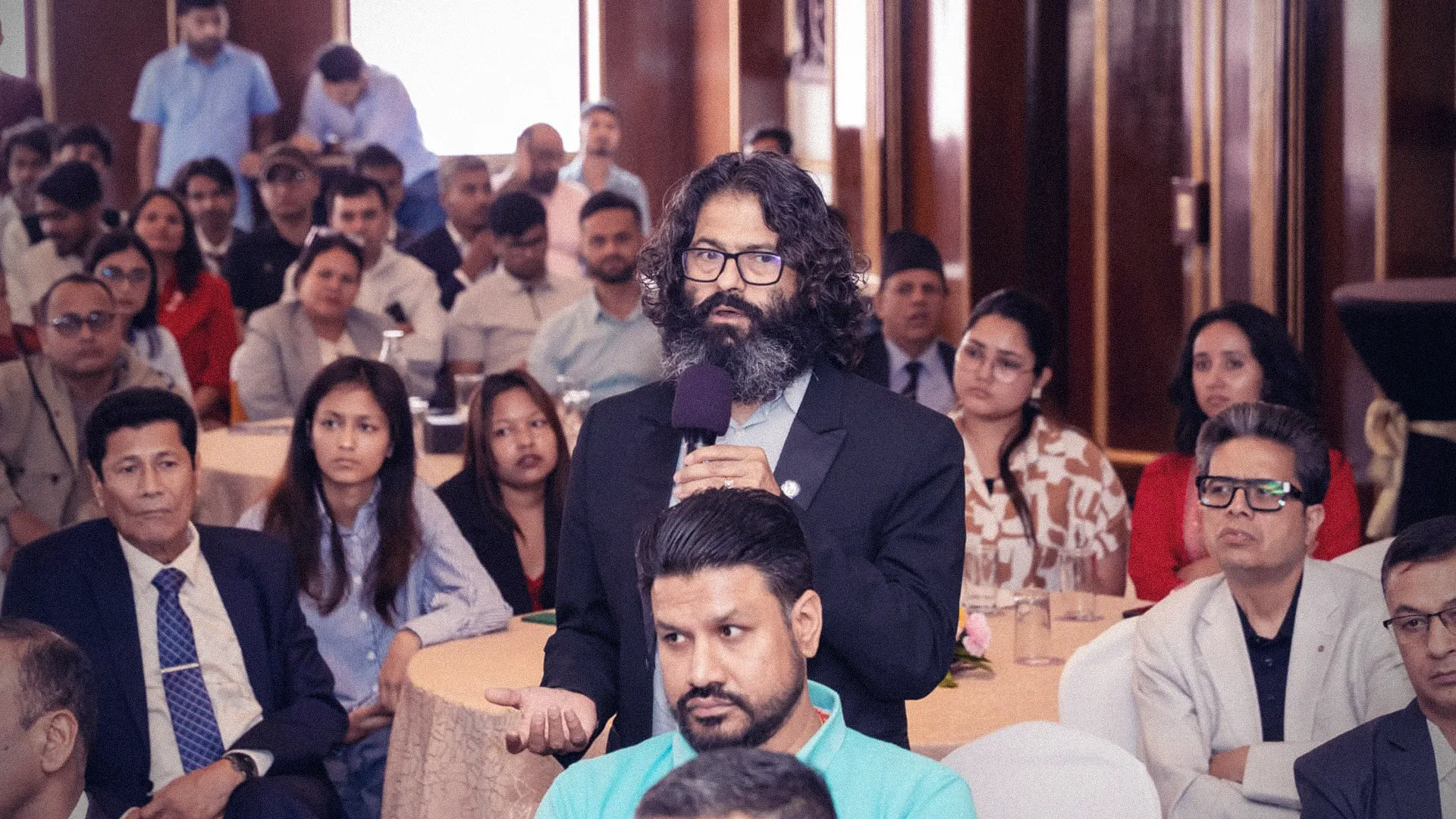
Kathmandu is setting the stage for a major leap in regional technology integration. The Embassy of India in Nepal and the Nepal-India Chamber of Commerce & Industry (NICCI) recently concluded a pivotal seminar exploring artificial intelligence partnerships. The high-level gathering focused deeply on how both nations can jointly build robust, localized, and inclusive tech ecosystems rather than just adopting foreign software.
A core highlight of the discussion centered around the immediate impact of regional academic and public partnerships. The Digital India Bhashini Division and Kathmandu University's Centre for Digital Public Infrastructure and Artificial Intelligence signed a milestone agreement to advance Language AI. Witnessed by the foreign ministers of both nations in New Delhi, this initiative will focus on building voice-first language translation tools and multilingual public systems, directly shielding low-resource regional languages from digital exclusion.
The event underscored that this digital evolution is already bearing fruit for young entrepreneurs. Suman Shekhar, First Secretary at the Indian Embassy, announced that the second cohort of the India-Nepal Startup Partnership Network (IN-SPAN) officially launched on June 1, 2026. This fully funded, eight-week intensive innovation program has sent 25 Nepali startups to the IIT Madras Pravartak Technologies Foundation in Chennai, offering them direct access to India's deep-tech network.

Interested in this ad?
Would you like to continue to the link or provide your information for more details?
Please provide your information
To continue, please fill in your details
This scale-up directly follows the massive success of the inaugural IN-SPAN group, where nine breakthrough startups secured prestigious incubation and investment offers from IIT Madras. NICCI President Sunil KC emphasized that drawing Indian AI companies into Nepal's public and private landscapes is a vital step toward sustainable, technology-driven economic growth.
Delivering the keynote address, Dr. Pratyush Kumar, Co-Founder of Sarvam AI, broke down the essential pillars of building sovereign tech infrastructure. As a recipient of massive financial and compute backing under the landmark IndiaAI Mission, his firm serves as a prime model for indigenous innovation. Dr. Kumar highlighted that developing localized speech-to-text models is essential to reaching historically underserved populations while preserving data sovereignty and local talent.
This bilateral momentum aligns with broader global shifts detailed from the India AI Impact Summit 2026 held in New Delhi earlier this year. That massive global event drew representatives from over 100 nations, catalyzed over USD 200 billion in investment pledges, and expanded India's sovereign compute power by 20,000 GPUs. Moving forward, the joint research initiatives and training programs established at the Kathmandu seminar aim to transform these massive global tech capacities into localized, everyday tools for citizens across both neighboring countries.