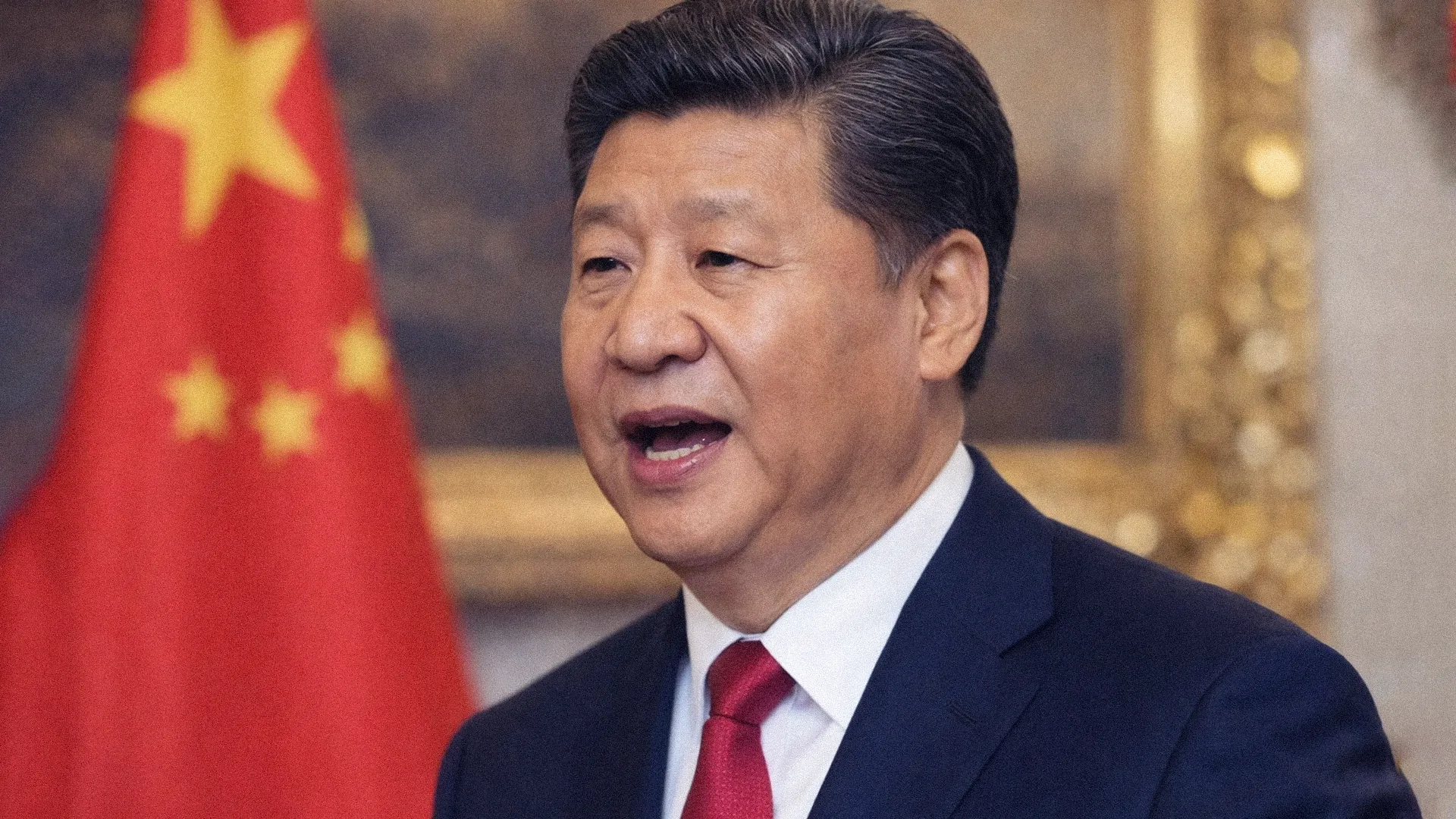
The international community is facing a renewed wave of concern following revelations that the Chinese state's crackdown on the Uyghur Muslim population remains unabated. Recent human rights investigations highlight a chilling shift in tactics, where the reach of Chinese security apparatuses now extends far beyond its sovereign territory. Uyghurs living abroad are reportedly being subjected to systematic monitoring, psychological coercion, and direct threats, marking a significant escalation in what experts term "transnational repression."
As detailed in several international reports, the strategy involves leveraging the safety of family members remaining within China to manipulate those who have fled. By restricting communication and utilizing the threat of domestic consequences, authorities are allegedly attempting to force expatriates into silence or involuntary repatriation. This extraterritorial reach has created a pervasive atmosphere of insecurity for the global Uyghur diaspora, hindering their ability to advocate for their rights even in foreign democracies.

Interested in this ad?
Would you like to continue to the link or provide your information for more details?
Please provide your information
To continue, please fill in your details
While Beijing continues to categorize these internal and external policies as essential measures for national stability and counter-terrorism, human rights advocates argue the evidence points toward a broader campaign to erase dissent and distinct cultural identities. The persistence of these allegations has reignited a fierce global debate regarding accountability and the limits of state power. As international pressure mounts, the focus remains on whether global institutions can effectively challenge a system that refuses to recognize these actions as fundamental violations of human rights.