

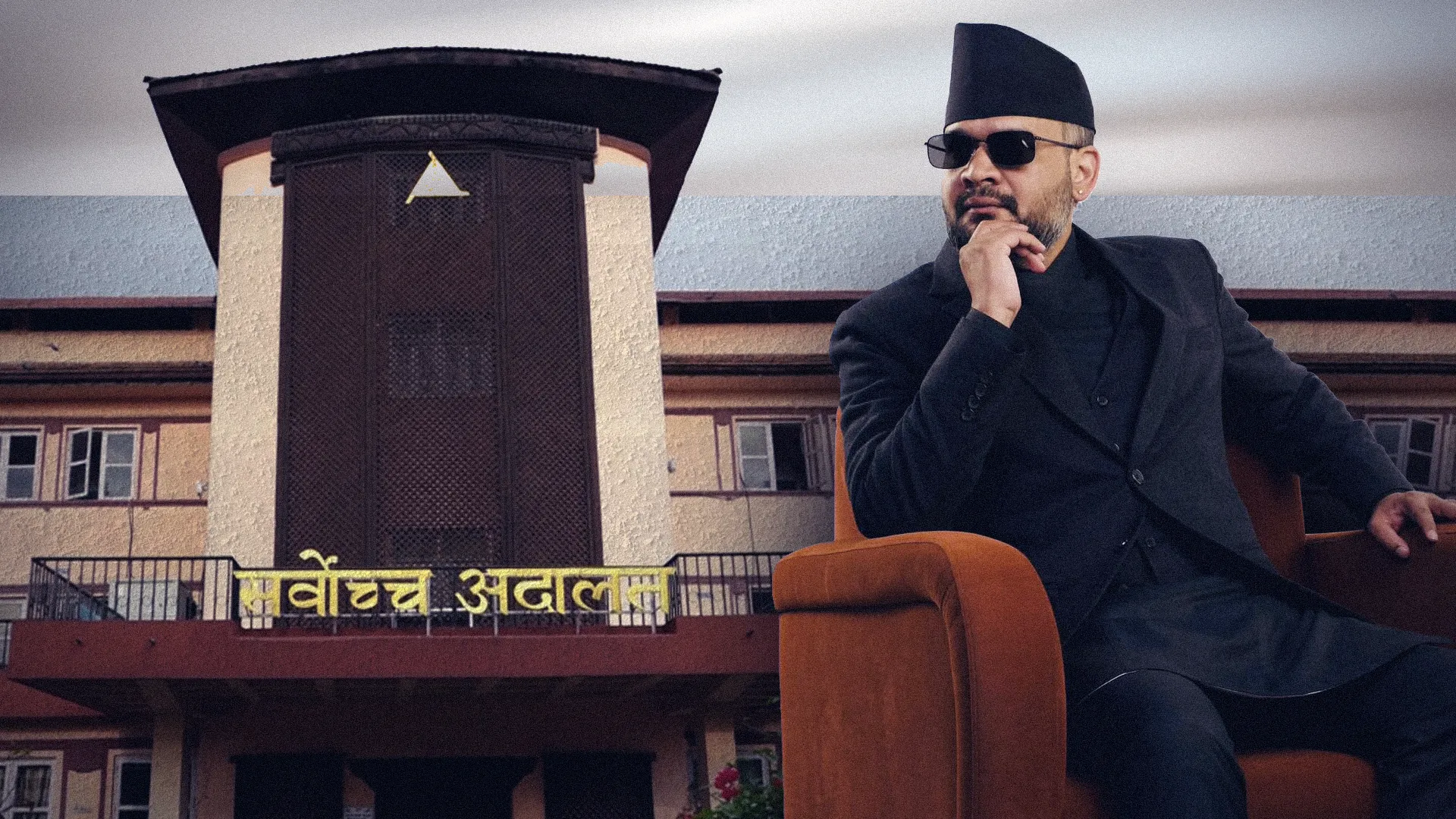
KATHMANDU — In a significant legal intervention, Nepal’s Supreme Court has issued an interim order pausing the Balen administration’s controversial initiative to collect customs duties on daily consumer goods exceeding NPR 100 (approximately INR 63) brought across the India-Nepal border. The ruling provides immediate relief to millions of citizens residing in the Madhesh and Terai regions, halting a policy widely criticized for its impracticality.
A joint bench comprising Justices Hari Prasad Phuyal and Tek Prasad Dhungana restrained the government from enforcing the strict customs threshold until a final verdict on the writ petition is delivered.
Widespread Criticism Over "Out-of-Touch" Policy
The administration's aggressive push to enforce the NPR 100 limit faced intense public and legal backlash. Critics and petitioners argued that the directive was out of touch with modern economic realities and disproportionately targeted marginalized communities. The primary flaws highlighted during the rollout included:
Ignored Inflation
In the current economic climate, purchasing basic daily consumables—such as groceries, medicines, or clothing—for under 100 rupees is virtually impossible. The threshold effectively criminalized ordinary citizens running simple household errands.
Class and Geographical Bias
The policy exposed a stark double standard in governance. While international flyers arriving at Tribhuvan International Airport frequently receive high-value customs exemptions on luxury goods like mobile phones and gold, land-border crossers in the Terai region faced severe scrutiny and harassment over basic necessities.
Border Harassment

Interested in this ad?
Would you like to continue to the link or provide your information for more details?
Please provide your information
To continue, please fill in your details
The abrupt enforcement transformed historically friendly and bustling border points into zones of tension. The Armed Police Force (APF) forced ordinary citizens into long, chaotic queues, subjecting their personal bags to thorough and often humiliating inspections.
Disrupting the "Roti-Beti" Lifeline
The strict implementation of the tax threatened the unique "Roti-Beti" (food and family) relationship that has long characterized the porous Nepal-India border. For decades, Indian border towns such as Jogbani in the Araria district and Raxaul have served as a vital economic lifeline for Nepali consumers, offering essential goods at affordable prices.
Petitioners successfully argued that by aggressively targeting this informal trade, the Balen government was not merely policing "smugglers," but threatening the daily survival of the working class. The crackdown disrupted the lives of local residents who cross the border daily for basic necessities and unfairly impacted small businesses on the Indian side that have catered to Nepali buyers for generations.
Furthermore, legal challenges pointed out that the move directly contradicted the spirit of the Nepal-India Treaty of Trade (1960), an agreement fundamentally designed to ensure the smooth, uninterrupted flow of goods between the two friendly neighbors.
A Lesson in Governance
The Supreme Court’s stay order is being hailed by border residents as a victory for fundamental rights and common sense. Observers note that the ruling serves as a necessary reality check for the administration, highlighting a distinct lack of nuance, empathy, and understanding of ground realities in the policy's execution.
As the government awaits the final legal verdict, the judicial intervention sends a clear message: the historic open border with India is not a vulnerability to be aggressively policed, but a vital economic and cultural asset that requires inclusive and practical governance.