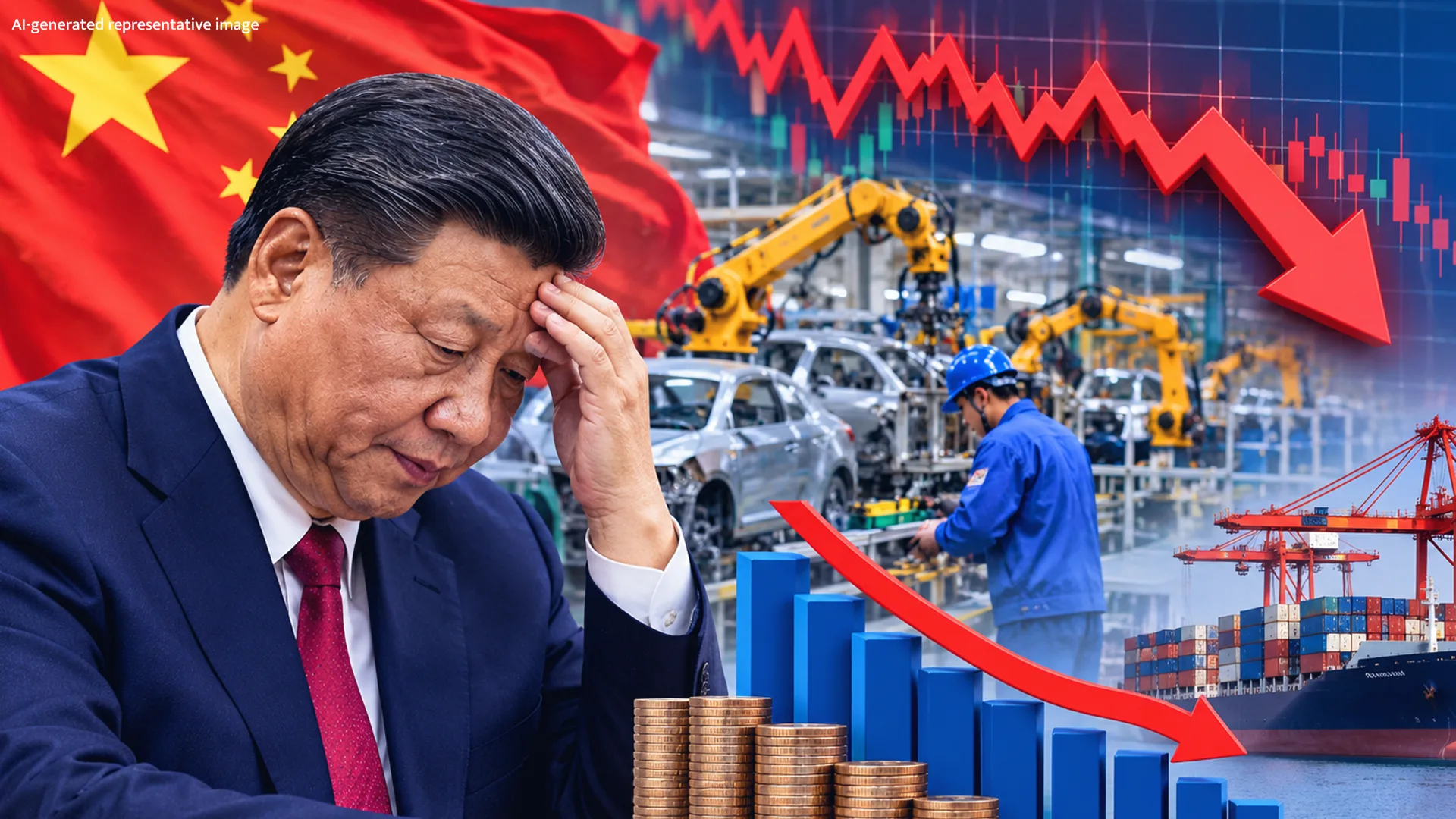

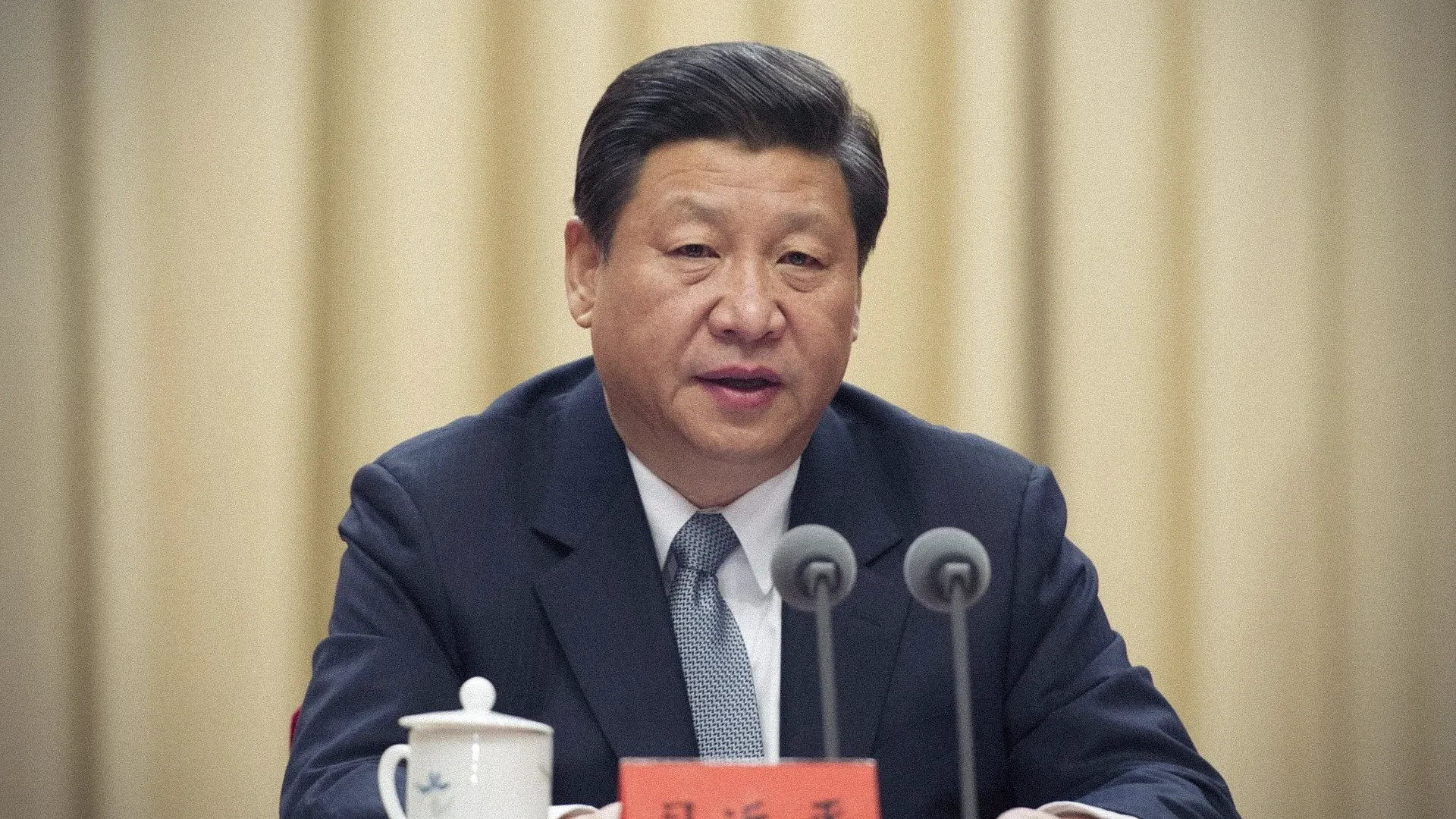
BEIJING: The government led by Chinese President Xi Jinping has further intensified its anti-corruption campaign within the Communist Party, state agencies, and the People's Liberation Army. In the latest action, nine members of the National People's Congress, including four major generals, have been removed from office.
The drive to enforce discipline and accountability within party and state structures gained fresh momentum following the fifth plenary session of the 20th Central Committee of the Communist Party of China.
According to details published in Nepal Aaja, the Standing Committee of the National People's Congress confirmed the termination of the membership of nine deputies. Of those removed, four were directly dismissed, while the resignations of five others were accepted.
The political and administrative officials removed from office include former Jiangxi Province Governor Ye Jianchun, former Deputy Secretary-General of the Henan Provincial Government He Xiong, Party Secretary and General Manager of Hunan China Tobacco Industry Ji Tao, and Chairman of Sichuan Tianfu Bank Huang Yi.
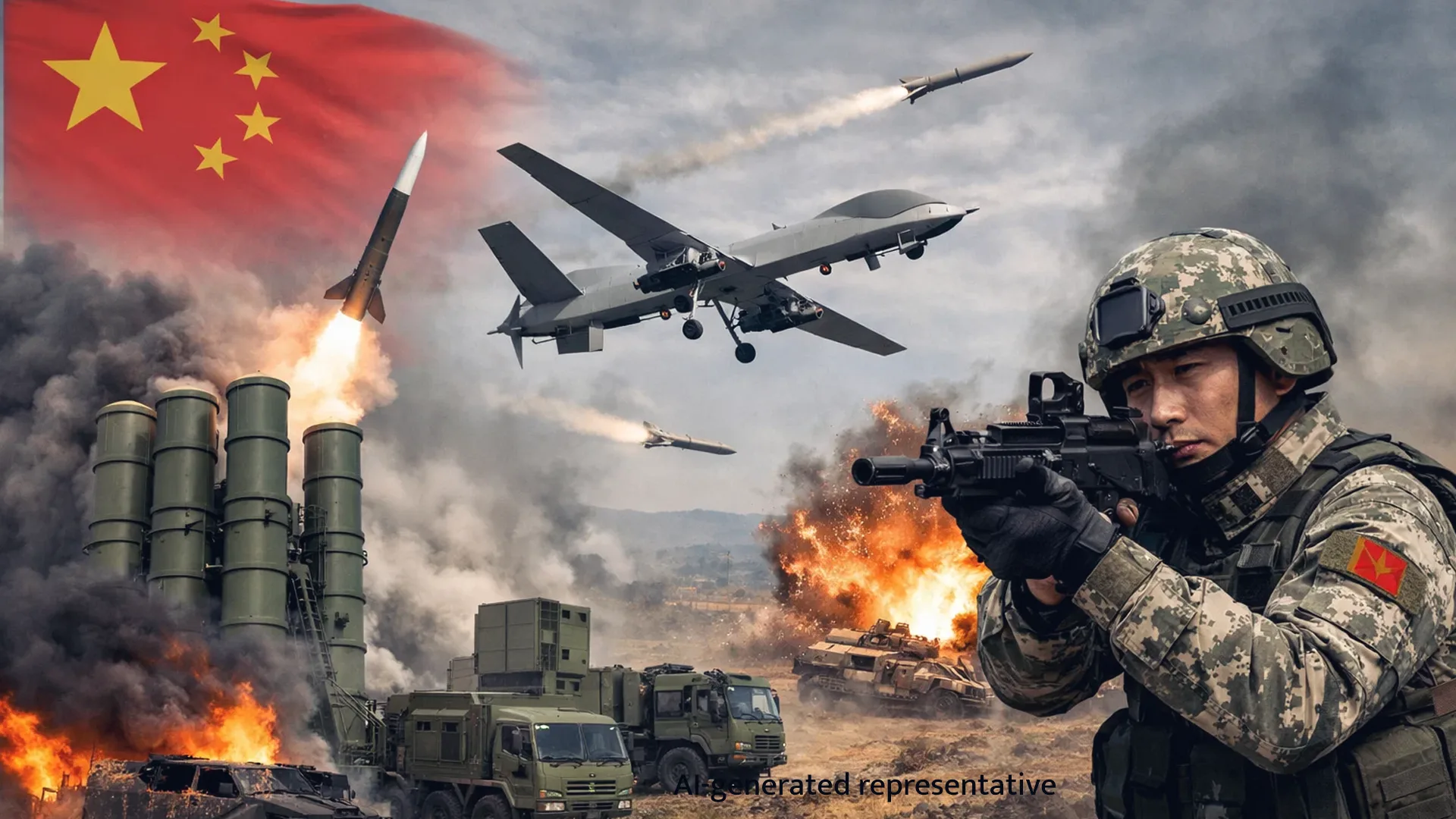
Similarly, four of the five deputies whose resignations were accepted are senior military officers. They are Zhang Gong, Guo Jianjun, Wu Yuhong, and Meng Qingbin. These officers held key responsibilities related to the Chinese Navy, the Rocket Force, provincial military commands, and the Armed Police.
Chinese authorities have not released detailed information regarding the charges against all the dismissed individuals. However, ongoing investigations within the party and military leadership indicate that even high-ranking officials fall within the scope of disciplinary action.
Since coming to power in 2012, President Xi Jinping has made anti-corruption control one of the top priorities of his governance. Under this campaign, senior officials from the party, government, state-owned enterprises, and the military have faced investigation and action.
Continuous reshuffles in the military leadership have also raised questions about China's defense management, command structure, and institutional stability. In particular, investigations into officials linked to strategic weapons, the Rocket Force, and the defense industry have become a matter of concern for international security analysts.
China has presented corruption control and party discipline as a purification of its state system. However, it remains unclear how frequent dismissals and investigations at the top level will affect institutional decision-making processes and the continuity of military leadership.