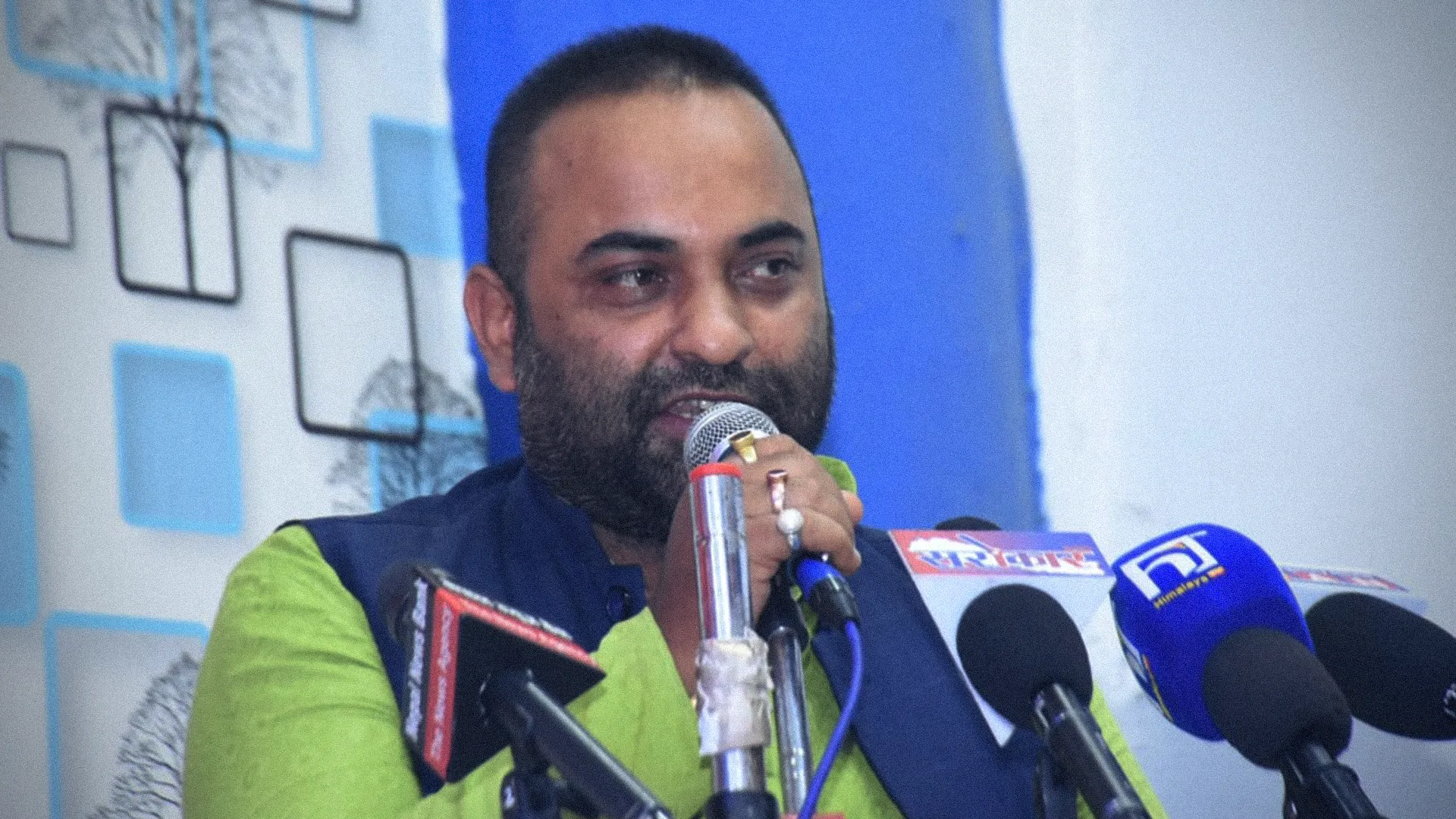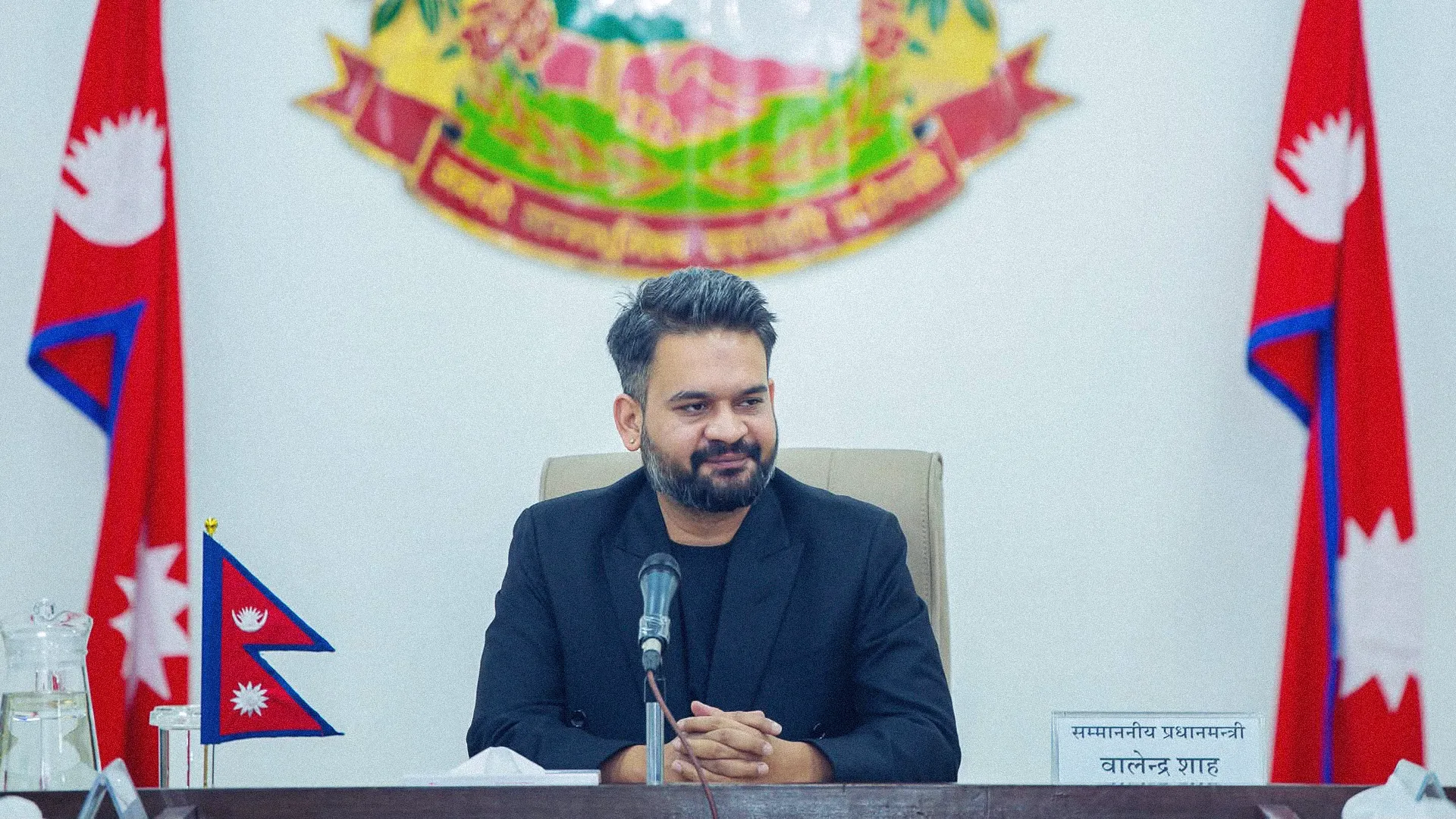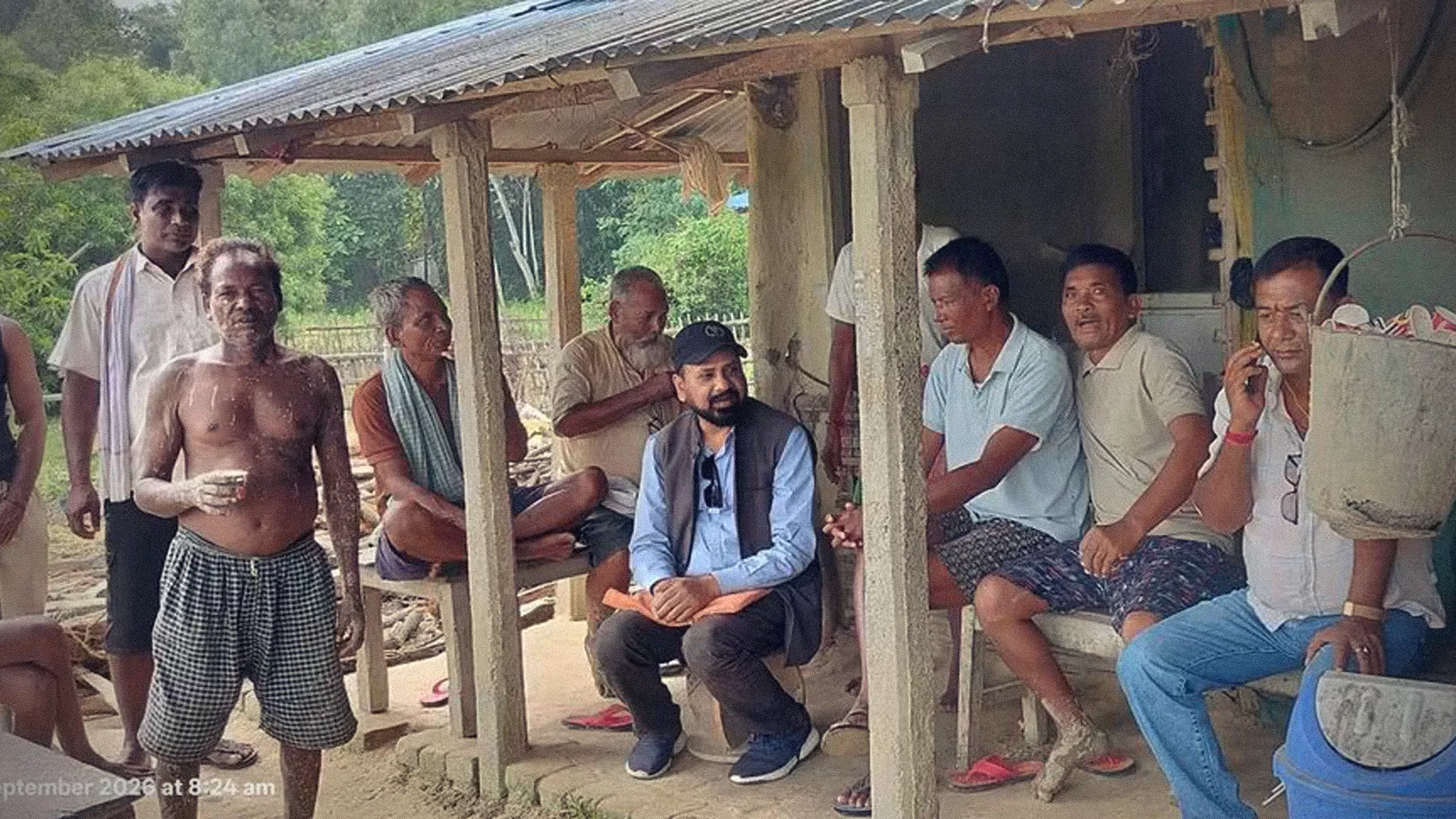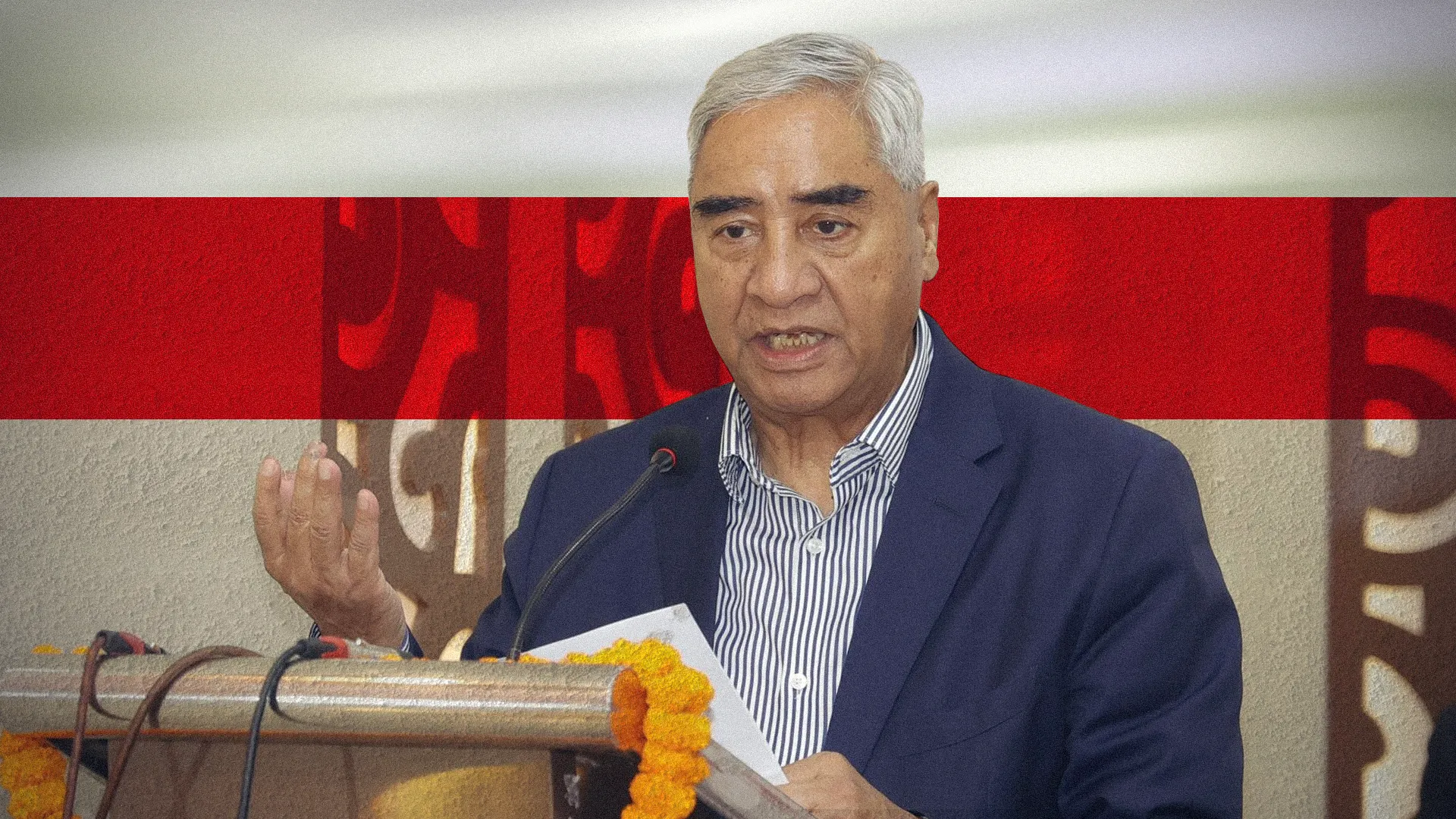


Kathmandu — The initial results of the recently concluded elections have signaled a massive upheaval in Nepali politics. Although no candidate has officially secured a victory at the time of preparing this report, the Rastriya Swatantra Party (RSP) and independent candidates are maintaining a wide lead in the vote count. With this early trend leaving traditional political parties behind, there is a strong possibility of a new government forming under the leadership of youth leader Balendra Shah (Balen).
International media outlets are also broadcasting this potential historic political shift in Nepal with high priority as 'Breaking News.' Foreign media have analyzed Balen's rise as a "strike against Nepal's traditional politics and a symbol of youth awakening."
Possibility of a 'Technocratic' Cabinet Dominated by Experts and Youths
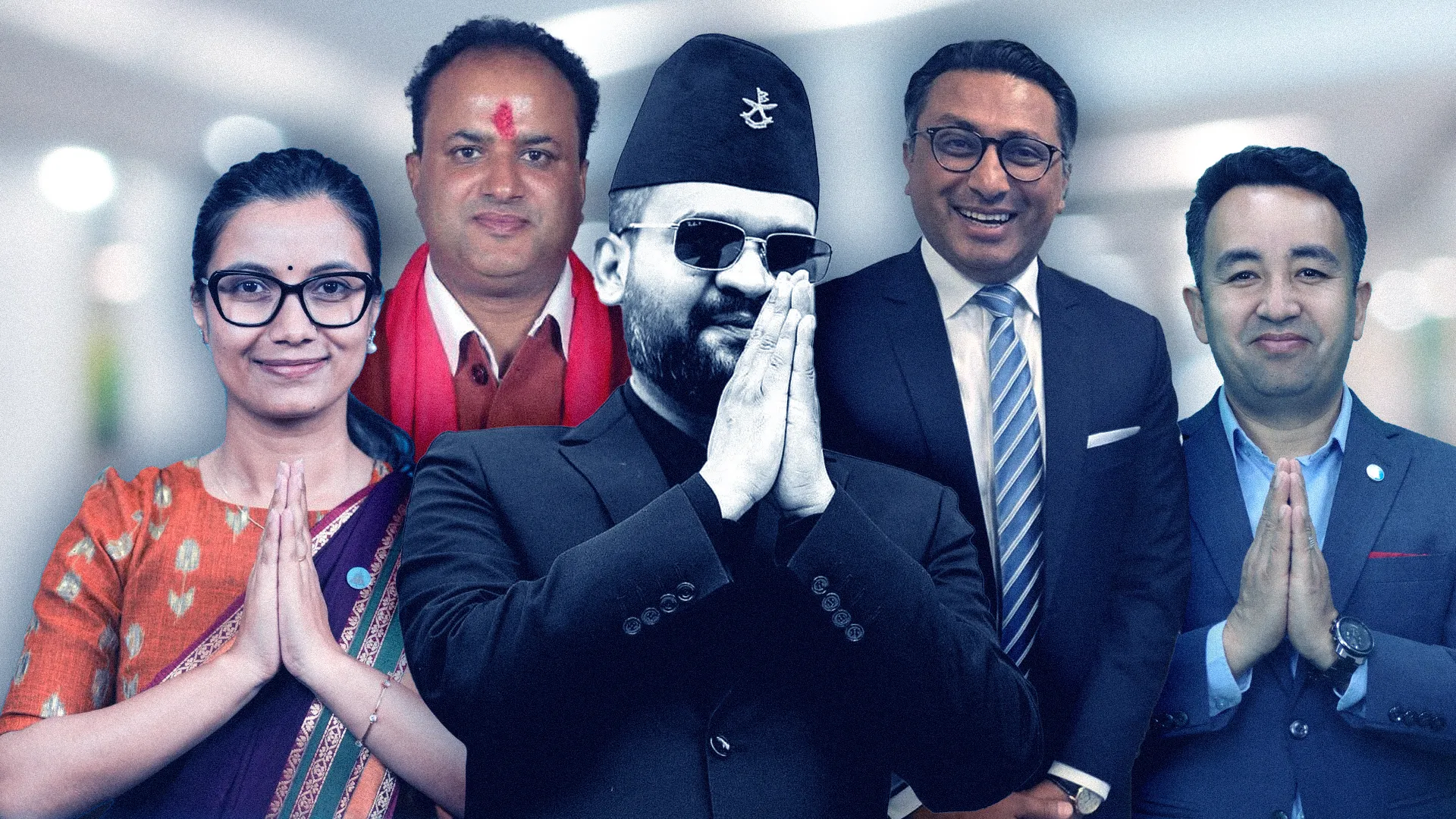
If a new government is formed based on the current lead in the vote count, the preliminary framework suggests that priority will be given to relevant field experts and young faces, rather than traditional power-sharing (quota) within the cabinet. According to the information received, the structure of the probable cabinet will be as follows:

Interested in this ad?
Would you like to continue to the link or provide your information for more details?
Please provide your information
To continue, please fill in your details
|
S.N. |
Probable Minister |
Probable Ministerial Responsibility |
|
1 |
Balendra Shah (Balen) |
Office of the Prime Minister and Council of Ministers |
|
2 |
Dr. Swarnim Wagle |
Ministry of Finance |
|
3 |
Dipak Bohora |
Ministry of Home Affairs |
|
4 |
Sobita Gautam |
Ministry of Law, Justice and Parliamentary Affairs |
|
5 |
Dr. Toshima Karki |
Ministry of Health and Population |
|
6 |
Ganesh Parajuli |
Ministry of Industry, Commerce and Supplies |
|
7 |
Biraj Bhakta Shrestha |
Ministry of Youth and Sports |
Public Expectations and Upcoming Challenges
According to political analysts, this probable cabinet is considered an "excellent combination of technicality and expertise." The discussions of Dr. Wagle taking the reins of the economy and Dr. Karki leading the health sector have sent a positive message among the public. Similarly, the probable entry of Sobita Gautam into the Law Ministry and Biraj Bhakta Shrestha into the Youth Ministry proves youth intervention at the policy-making level.
However, if a new government is formed, its path will not be easy. Standing on the foundation of extreme public frustration toward traditional parties, this new power faces limitless expectations from the people. The pressure to deliver quick and effective results before the 'honeymoon period' ends, coordinating with a sluggish bureaucracy, and maintaining geopolitical balance will be the major challenges for the probable government led by Balen.