

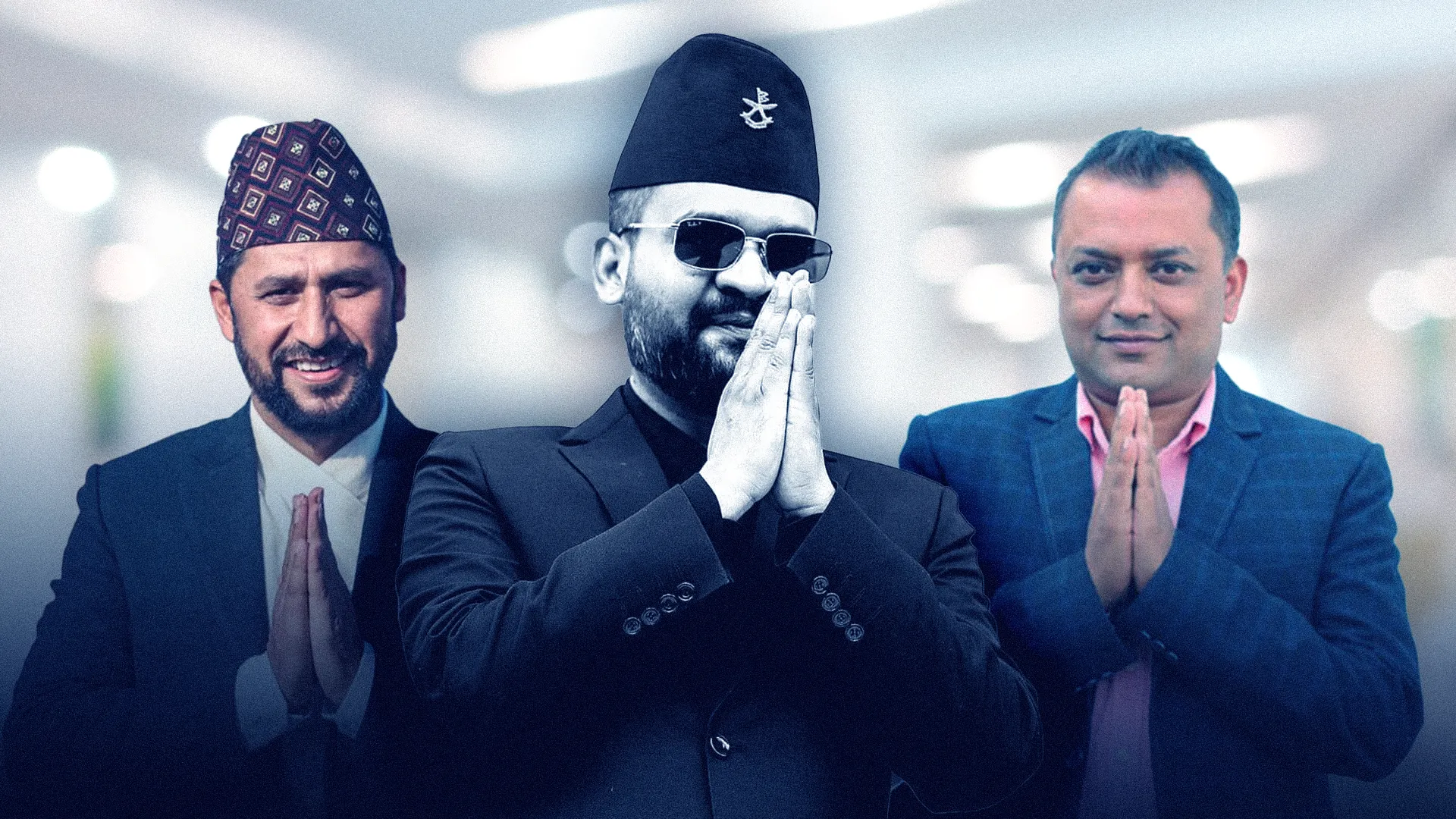
An Economy of Expectations
When we were children, relatives visiting home meant expecting chocolates—a small, innocent social ritual. Years later, in my mid-twenties, I joined a friend’s father—a poet himself—to visit the late Madhav Prasad Ghimire. On the way, he bought fruits as a gift and remarked, “Old people expect something.”
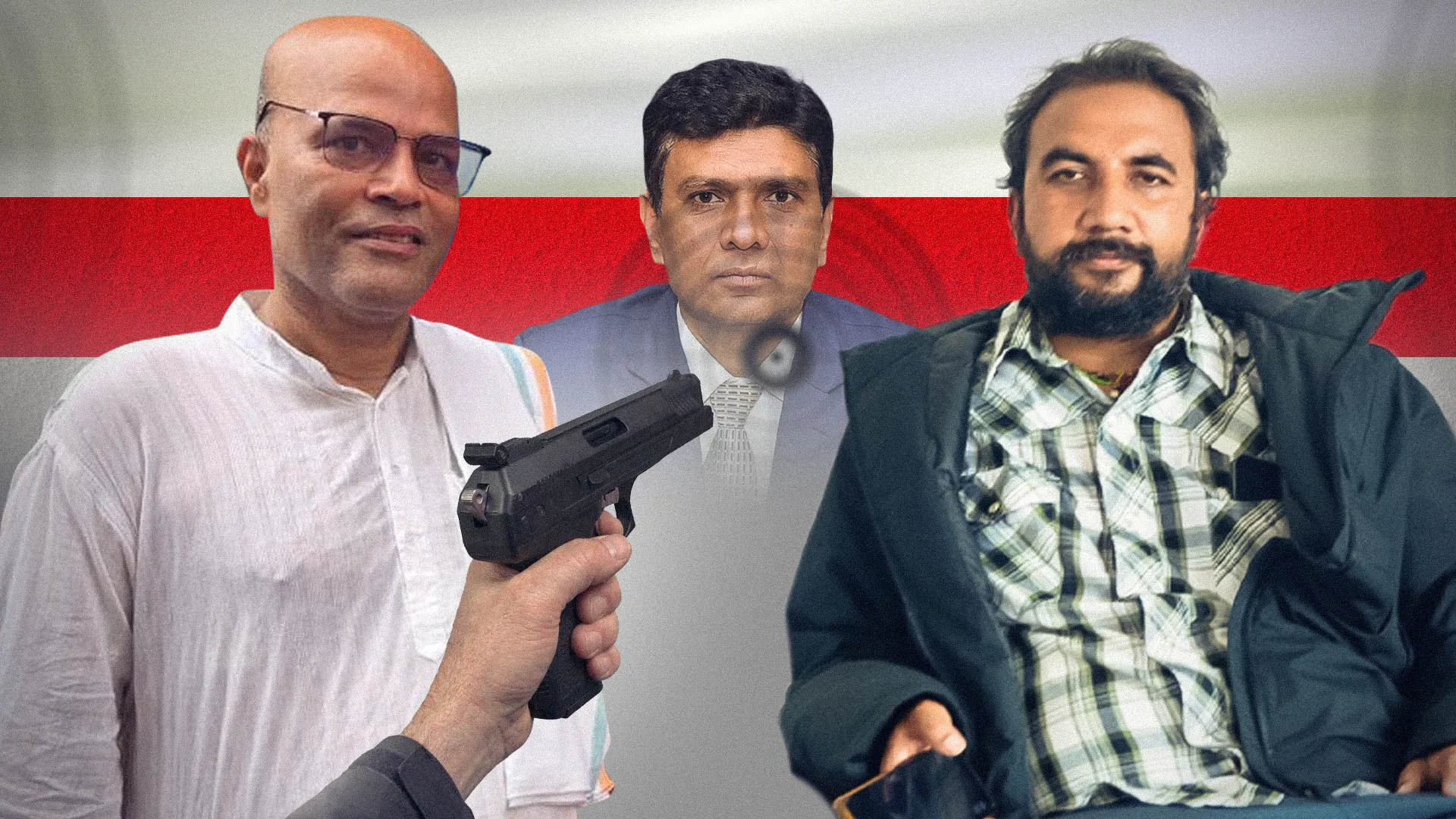
The poet expected nothing, yet the comment captured a deeper human tendency: the assumption that those in positions of authority deserve some offering. In Nepal’s politics today, this harmless custom has evolved into a corrosive transactional culture. Senior leaders in traditional parties often expect substantial “donations” for electoral tickets, proportional representation slots, or ministerial berths. At the grassroots, voters—aware of the money flowing upward—now demand cash, handouts, and direct support from candidates. This two-way “economy of expectations” has become a defining—and damaging—feature of Nepal’s democracy.
The Illusion of Change in Nepali Congress
In mid-January 2026, the Nepali Congress held a special general convention amid internal divisions. Gagan Thapa was elected unopposed as party president, promising reform, maturity, experience blended with an “appetite for change,” and internal renewal. Billionaire industrialist Binod Chaudhary, listed by Forbes, was also elected to the central committee.
As I have heard, Chaudhary publicly remarked that this time he had not paid a single penny to obtain a party ticket for the House of Representatives, though he preferred not to disclose what had happened in previous elections. This statement drew attention, with many interpreting it as a subtle critique of past financing practices within the party.
The convention lacked competitive voting for many positions; leadership nominated teams, limiting open contests. This fueled widespread allegations in party circles that candidates paid anywhere from NPR 1 million to over NPR 10 million in “donations” to secure tickets. While unverified, these claims reinforced perceptions that wealth often trumps grassroots experience or genuine commitment—undermining Thapa’s reform narrative even before the March 5, 2026, elections.
A Systemic Crisis Across Traditional Parties
This pattern is not unique to Nepali Congress. Similar dynamics plague the Communist Party of Nepal (Unified Marxist–Leninist), Maoist factions, the People’s Socialist Party, the Loktantrik Samajwadi Party, and others. In tea shops and online discussions, the narrative is consistent: leaders rely on opaque funds—often linked to corruption and patronage—to sustain power.
Traditional parties have stagnated, failing to modernize internal democracy or prioritize competence over connections. Elections have become prohibitively expensive: candidates pay seniors for tickets while distributing large sums to demanding voters. Many end up burdened by personal loans and debt, perpetuating corruption once elected.
The consequences are profound. Public service delivery—from politicians, bureaucracy, Nepal Police, and the judiciary—has consistently fallen short. When office is treated as a financial investment rather than public service, trust erodes. This breeds youth frustration, capital flight, unemployment, and limited opportunities—fueling demands for radical change.

Interested in this ad?
Would you like to continue to the link or provide your information for more details?
Please provide your information
To continue, please fill in your details
RSP's Rapid Evolution and Breakthrough Victory
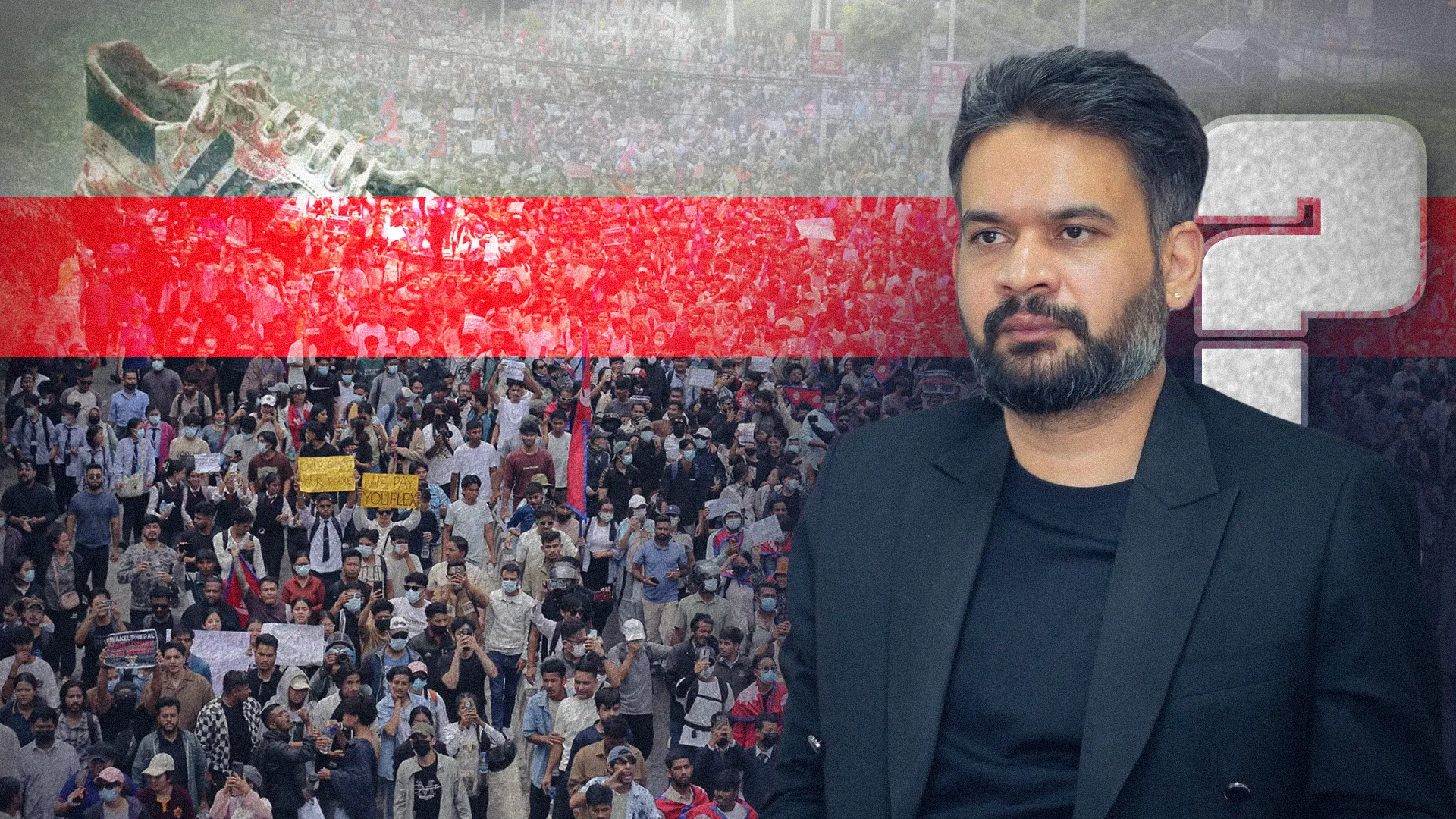
The Rastriya Swatantra Party (RSP) evolved rapidly from a minor newcomer in 2022—founded amid frustration with traditional politics—to a dominant force in the March 2026 elections. Its rise stems directly from widespread public anger over corruption, poor governance, unemployment, instability, and the failure of old parties to deliver change. Sparked by the deadly Gen Z-led protests in September 2025 (which ousted a prime minister and highlighted youth demands for reform), RSP capitalized on this momentum.
Led by charismatic figures like former Kathmandu mayor and rapper-turned-politician Balendra Shah (Balen), the party emphasized transparency, digital modernization, good governance, anti-establishment messaging, and strong social media outreach. This resonated especially with young, urban, and first-time voters tired of the same old faces and transactional politics.
In the 2026 polls (held March 5, the first since the uprising), early and ongoing results show RSP leading in over 100 constituencies (often 100–110+ out of 165 FPTP seats), winning several key seats (including multiple in Kathmandu), and positioning Balendra Shah as a strong prime ministerial contender—sometimes described as a “tsunami” or “landslide” shift. This reflects voters punishing establishment parties for decades of misgovernance.
Meanwhile, Nepali Congress—despite Thapa’s leadership change—has performed poorly. Early trends place NC far behind (leading/winning in only ~10–12 seats), with traditional rivals like CPN-UML also trailing. Thapa’s shift to contest from Sarlahi-4 and his emphasis on stable, mature leadership did not translate into broad voter support amid the anti-old-guard wave.
Old Parties: Collapse or Forced Improvement?
This leaves old parties (NC, UML, Maoists, etc.) facing potential collapse or forced improvement: their entrenched money-driven networks, corruption perceptions, and failure to modernize have eroded trust, creating space for RSP’s outsider appeal.
Nepal’s current turbulence is not chaos—it is a necessary phase of democratic evolution. The old guard faces an existential challenge: reform internal systems, enforce stricter financial transparency, and rebuild trust through genuine service delivery. New forces like RSP must prove they can govern effectively without replicating the same traps.
Like a complex engine requiring periodic maintenance, Nepal’s democracy is undergoing deep servicing. If both established and emerging actors heed this moment of intense public scrutiny—strengthening election finance laws, promoting internal democracy, and prioritizing competence over cash—the system can emerge stronger, more competitive, and truly accountable to citizens.
Only then can Nepal break the cycle of expectations built on money and patronage, rebuilding a democracy that serves its people rather than enriches its politicians.