

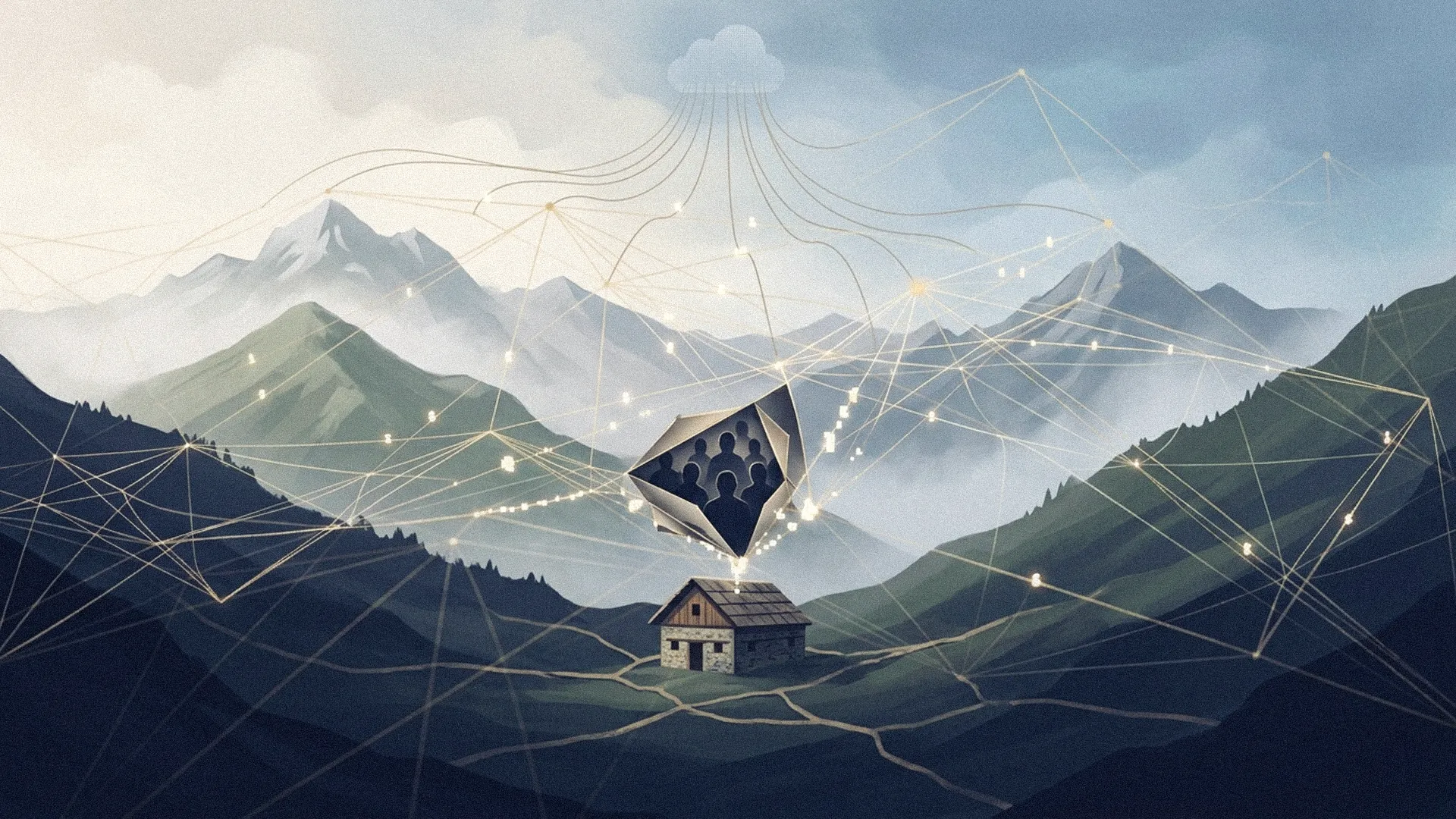
The mountains of Pahalgam are old, but the way the 2025 attack was funded was very modern. In the past, terror groups mostly relied on cash smuggled across borders or informal systems like hawala. That has now changed. Today, they are increasingly using cryptocurrencies (digital money) and mobile wallets.
Investigations after the Pahalgam attack showed that the system used to move money has become much more sophisticated. Groups like The Resistance Front (TRF) avoid regular banking channels because those can be tracked easily. Instead, they use digital platforms where tracking is harder.
One key method is sending many small amounts of money instead of one large transfer. Earlier, large sums could raise suspicion. Now, thousands of tiny payments are sent through digital apps. Individually, these payments look normal, but together they add up to a large fund. This makes it difficult for authorities to detect.
Another important change is in the people involved. Those helping such attacks are not always hiding in remote areas. Many are based in cities, working from phones or laptops. These individuals, often called over-ground workers (OGWs), help with logistics like arranging safe houses, coordinating movements, and handling communication. They use encrypted apps like Telegram and Signal, which are harder to monitor.

Interested in this ad?
Would you like to continue to the link or provide your information for more details?
Please provide your information
To continue, please fill in your details
To respond to this, security agencies have also adapted. They are now closely monitoring crypto transactions and studying digital payment patterns. According to officials, even digital money leaves behind traces, and these “digital footprints” can help track down networks over time.
What this shows is simple: the nature of terror funding has changed. It is no longer just about weapons and cash. It is now also about technology, apps, and digital money.
In the end, one thing remains the same— the methods may evolve, but the intent does not.
And today, the battle is not just on the ground, but also in the digital world.