

Kathmandu, April 22, 2026
Some colleagues proposed a meeting with the Home Minister today. They had already arranged the time. I agreed and reached the Ministry of Home Affairs a few minutes before the scheduled time.

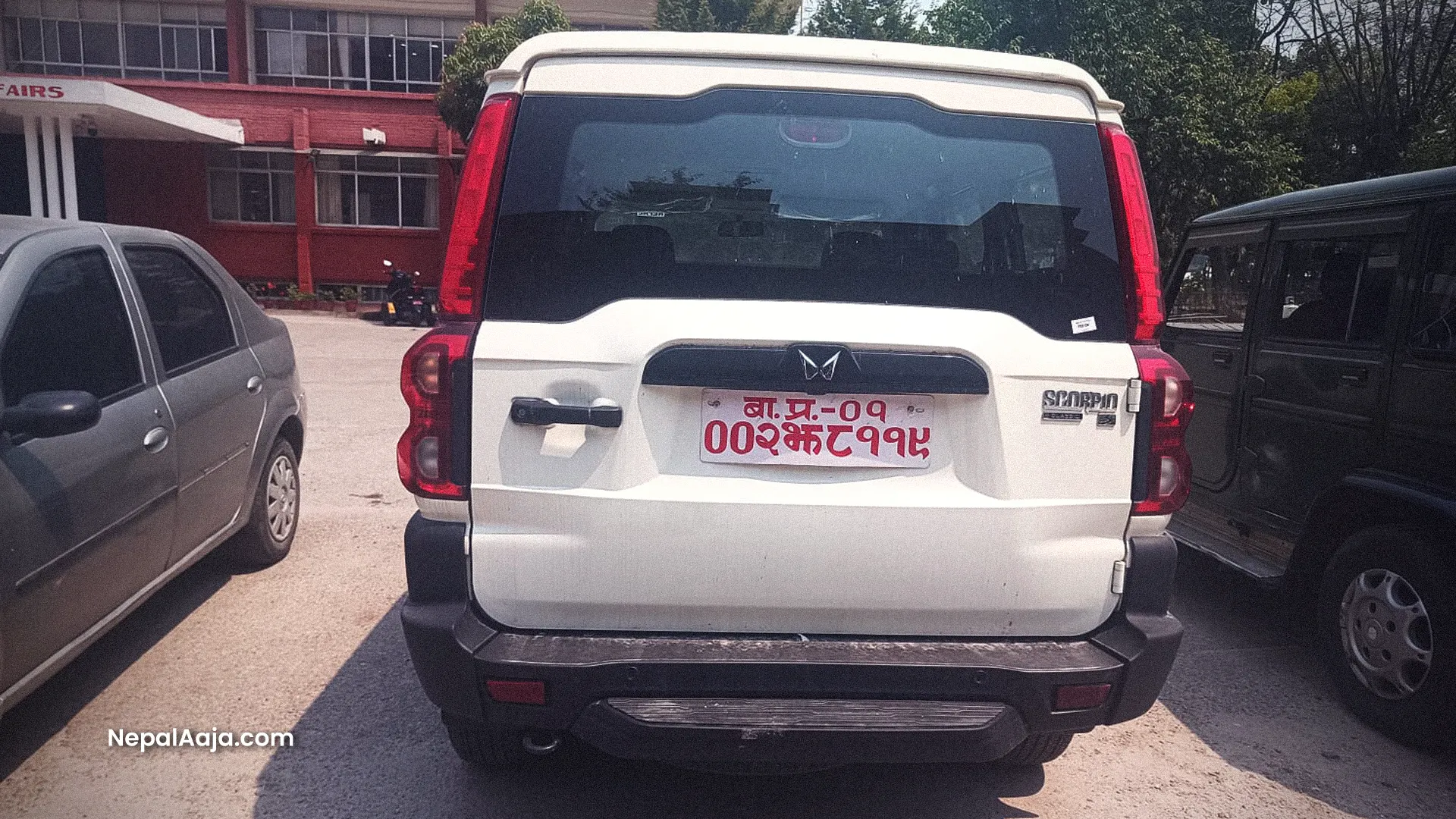
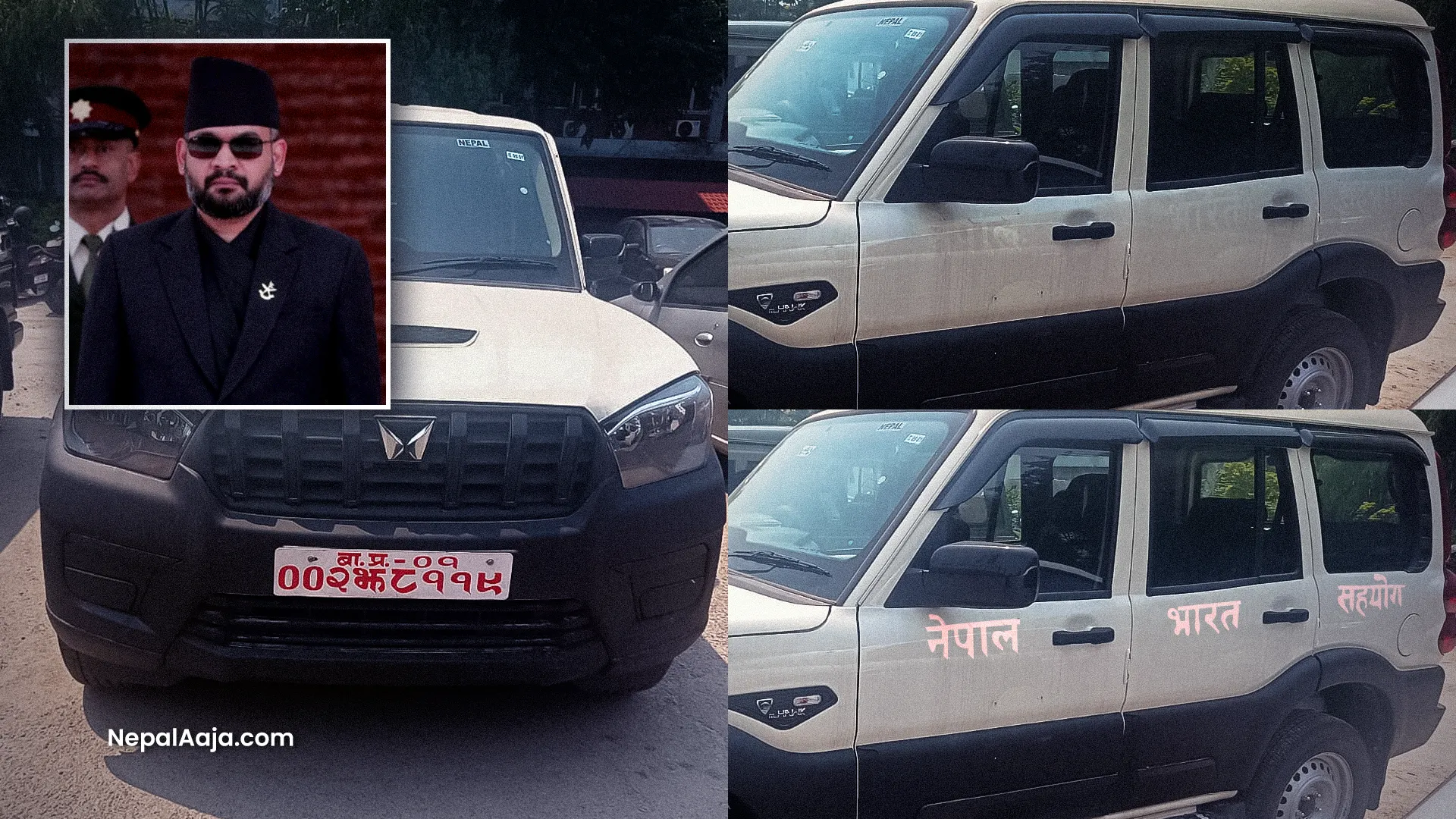
A white, Indian-brand Mahindra Scorpio (Ba Pra 01–002 Jha 8119) was parked on the ministry premises. Generally, such SUVs do not attract special attention. However, one thing visible on this vehicle was unusual—the clear stain remaining after a sticker had been removed.
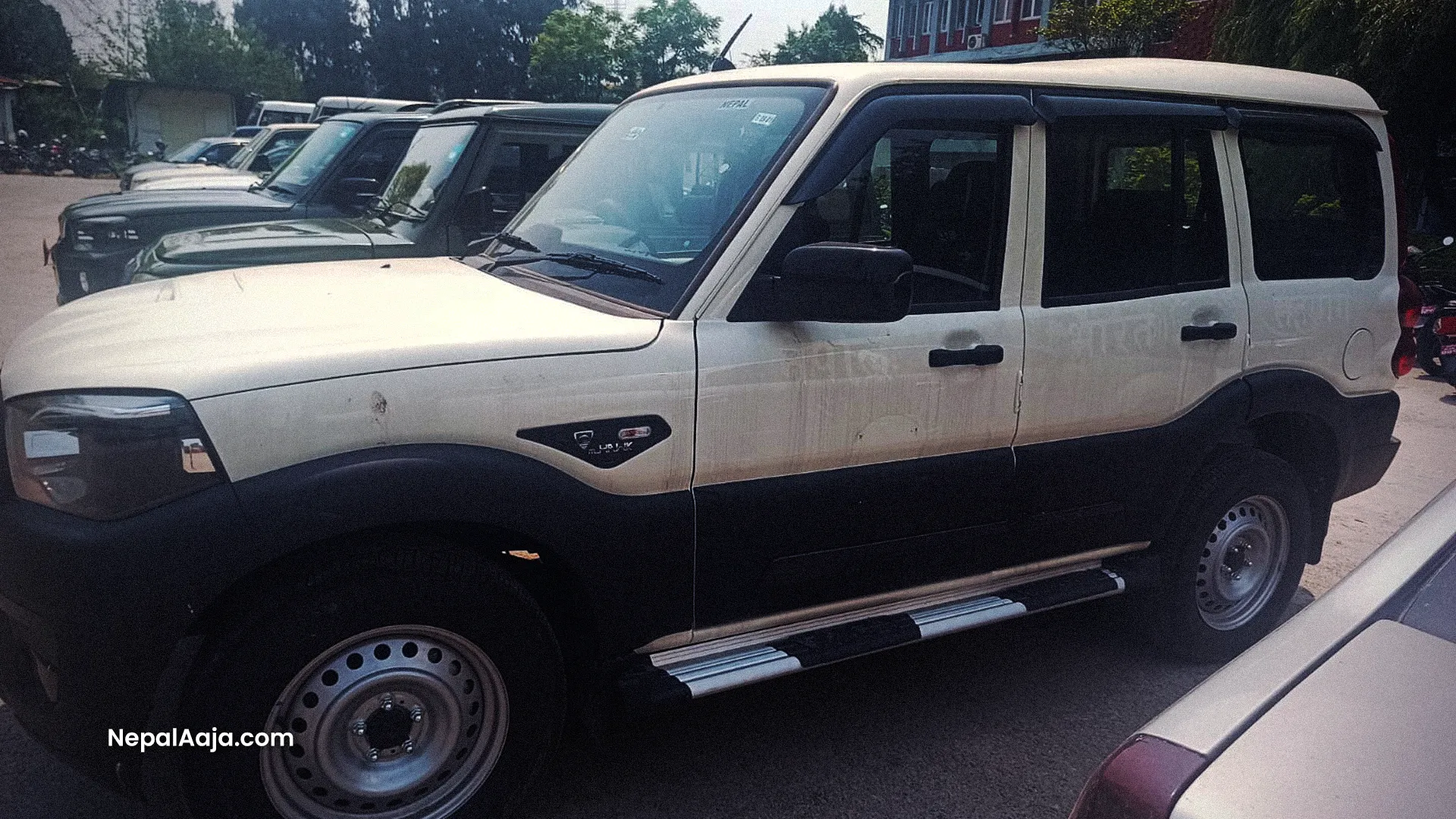
The vehicle was provided through the assistance of the Government of India, which originally bore a sticker reading 'Nepal-India Cooperation.' The sticker had been removed, but its stain remained clearly visible—as if the task of removal was only half-completed.

Interested in this ad?
Would you like to continue to the link or provide your information for more details?
Please provide your information
To continue, please fill in your details
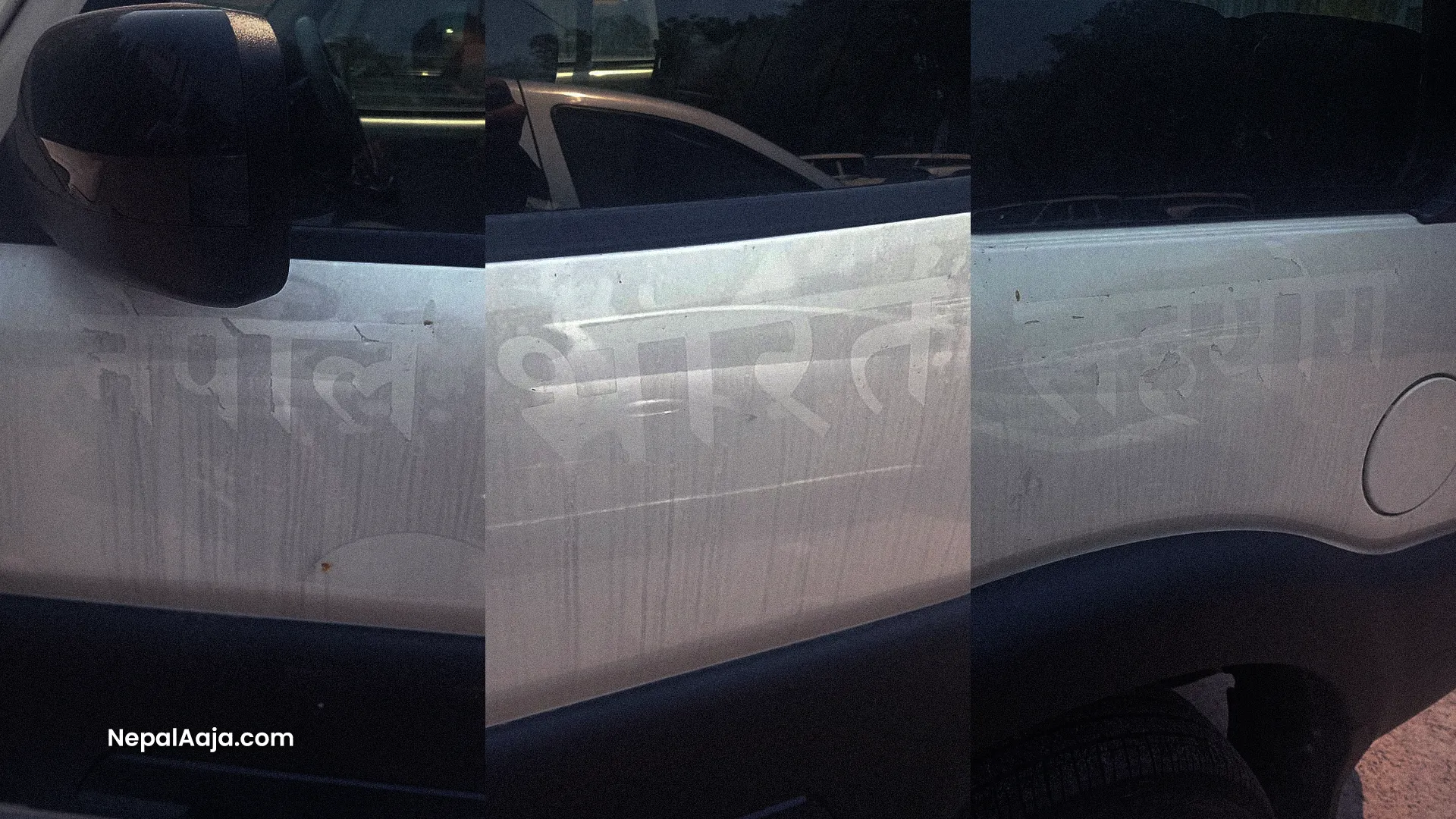
The Home Minister resigned today, and the responsibility of the ministry has temporarily come under the Prime Minister. From an administrative perspective, the ultimate responsibility for such tasks, big or small, now falls under the oversight of the top leadership.
Work performed on government property reflects the state's functioning style. While the question of who ordered the removal of the sticker is important, the question of why it was not executed systematically is equally relevant. Such sluggishness in the culture of taking responsibility and completing a task should not become normal.
Finally, a small suggestion to the Prime Minister—it doesn't require a major policy to erase sticker stains; turpentine oil is available at hardware stores for 150 rupees; perhaps the thought of buying it did not occur to anyone before the order was given.