

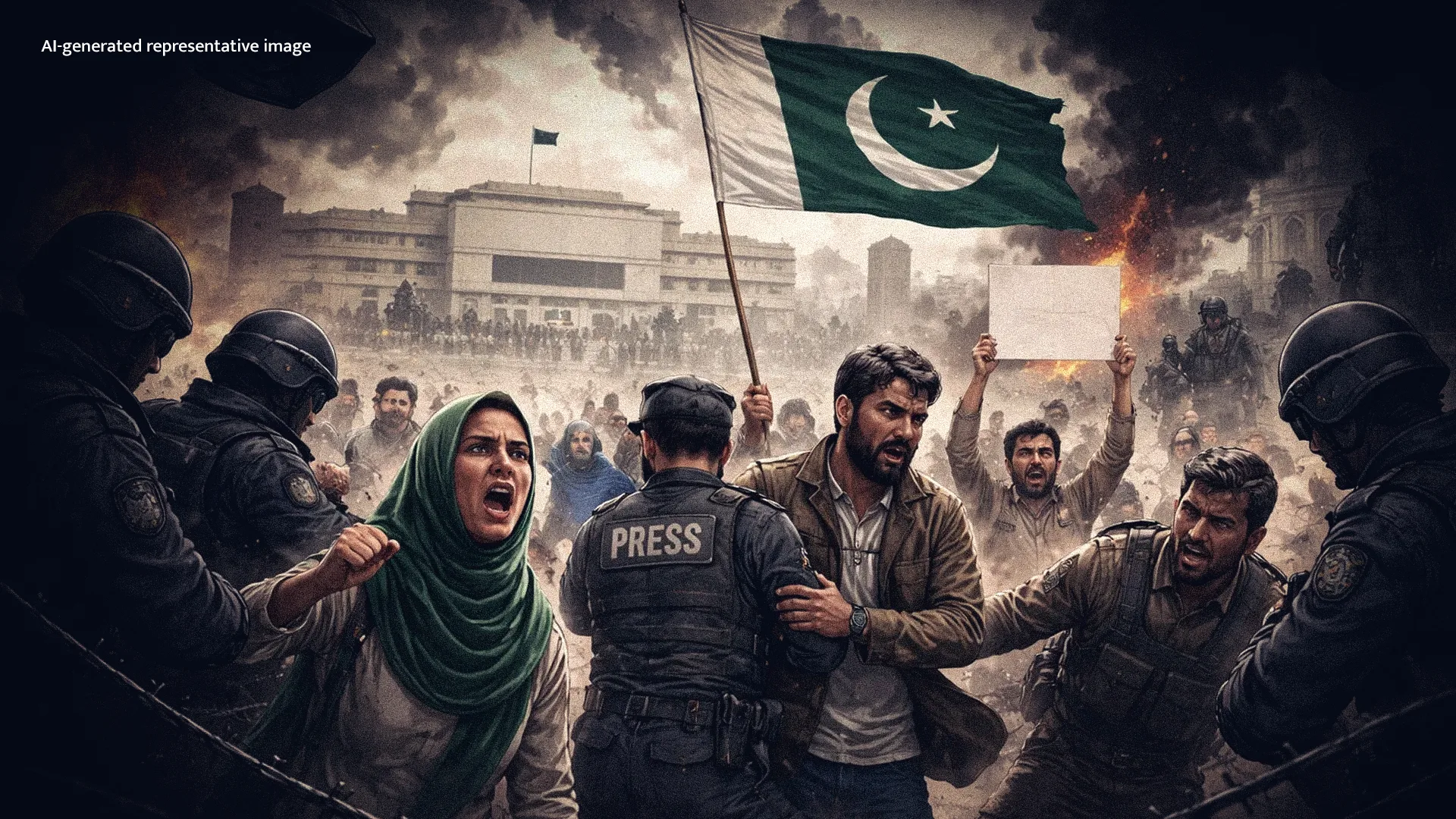
The democratic framework in Pakistan is facing a severe existential threat as civil liberties continue to vanish at an alarming rate. According to recent findings from the Human Rights Commission of Pakistan (HRCP) and various advocacy groups, the nation is witnessing a systematic dismantling of freedom of speech, press independence, and basic citizen rights. This contraction of the public sphere has silenced critical voices, effectively crippling the transparency required for a functioning government.
The repercussions of this crackdown extend beyond the media, deeply impacting political activists and human rights defenders. These individuals increasingly encounter state-sponsored intimidation, arbitrary detentions, and constant surveillance. This climate of fear has stifled political engagement, leaving little room for the pluralistic debate that underpins a healthy democracy.

Interested in this ad?
Would you like to continue to the link or provide your information for more details?
Please provide your information
To continue, please fill in your details
Furthermore, the integrity of the judiciary and other state institutions is under immense scrutiny. The report highlights that political pressure and interventions by security agencies have compromised the impartiality of legal proceedings. This institutional erosion has led to a significant decline in public trust, as citizens find it increasingly difficult to seek justice within a system perceived to be influenced by powerful external actors.
The electoral landscape has also been marred by profound inequalities. By suppressing opposition parties, arresting high-profile leaders, and placing stringent bans on political gatherings, the current environment has undermined the very foundation of fair competition. Experts suggest that if these repressive measures are not immediately reversed, Pakistan risks a prolonged period of political volatility that could permanently destabilize its governance structure.