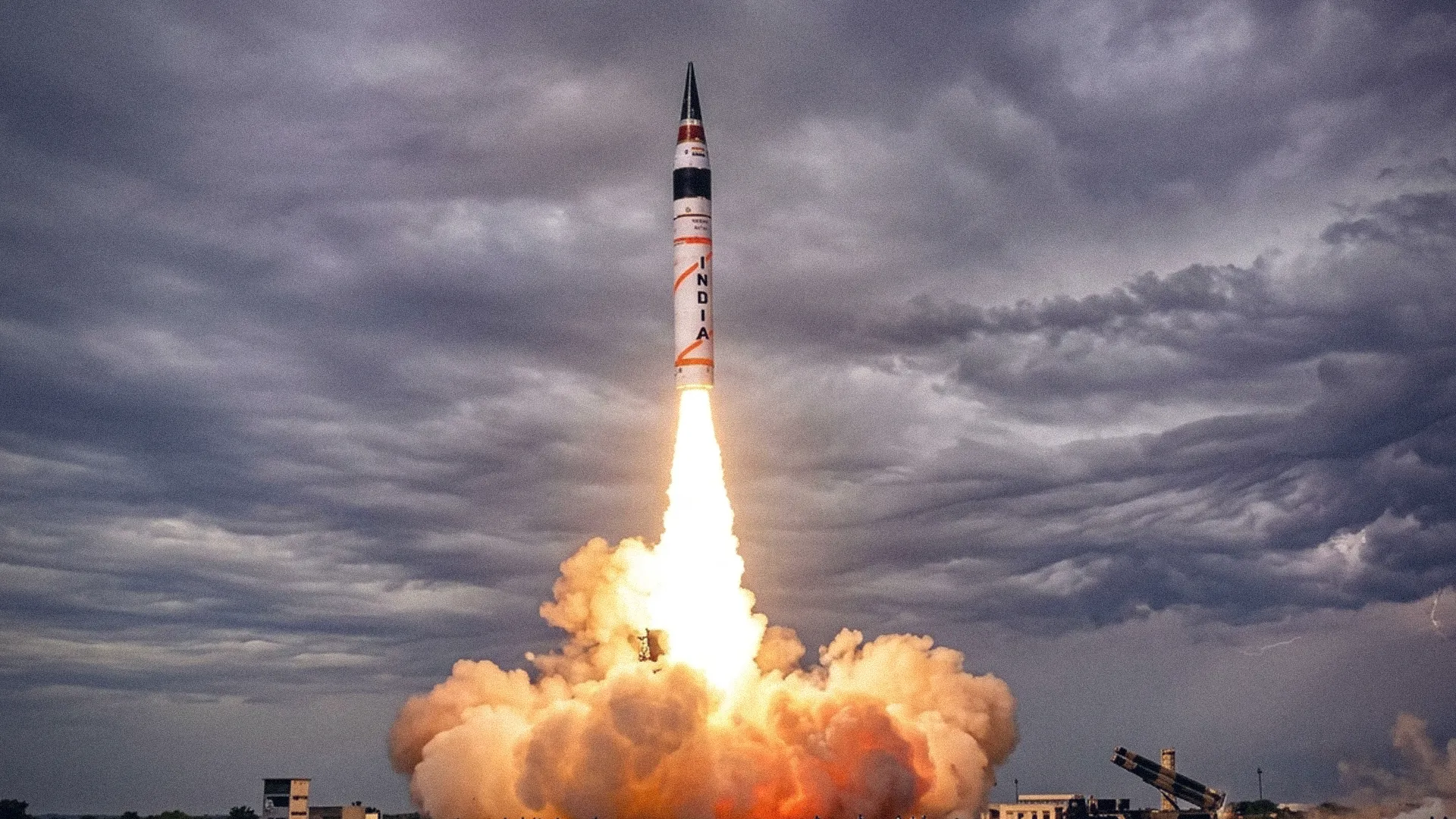


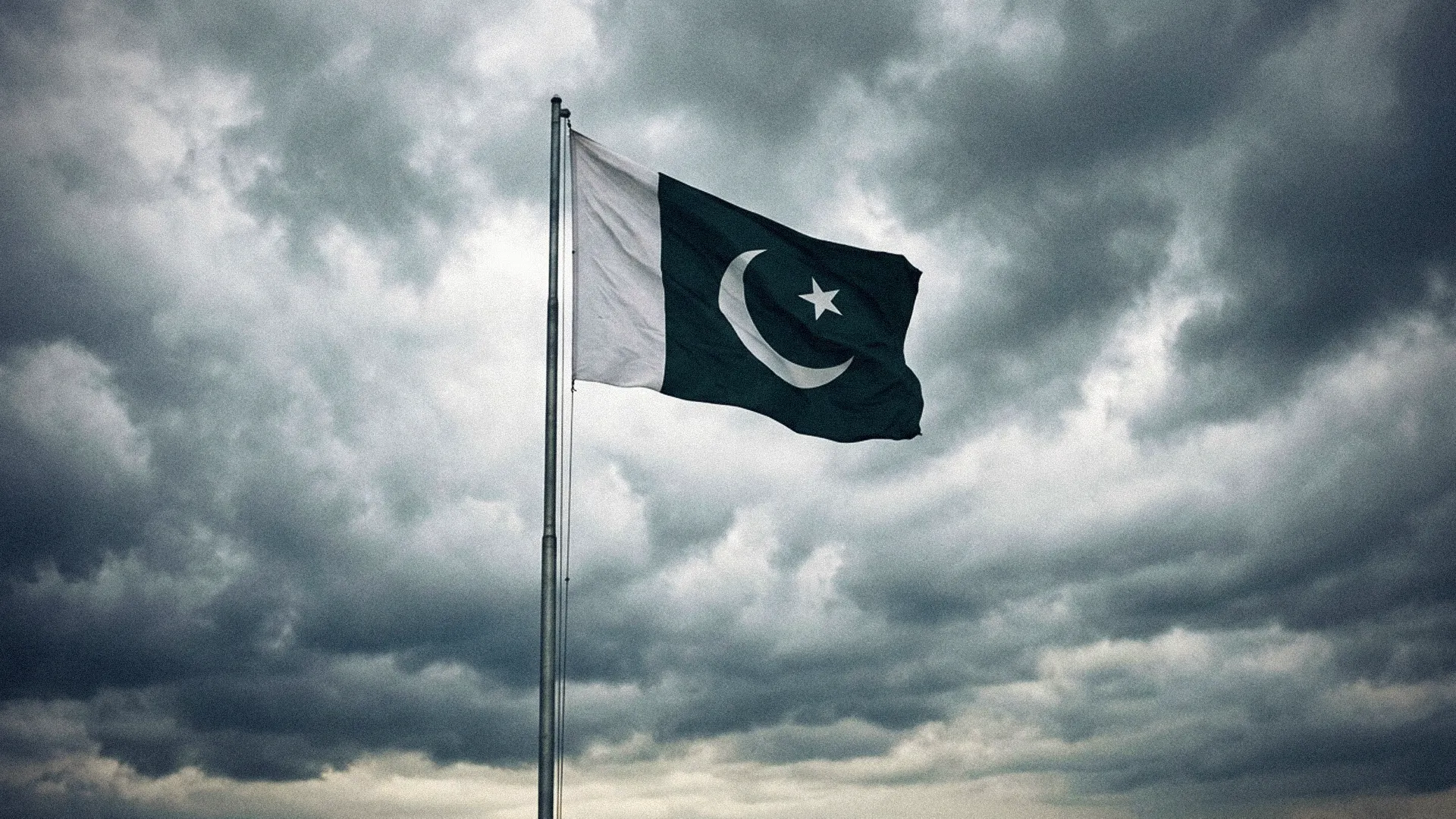
The horizon for traditional South Asian regional integration is becoming increasingly obscured as severe systemic challenges within Pakistan continue to immobilize the South Asian Association for Regional Cooperation (SAARC). A combination of severe economic distress, volatile security conditions, persistent border friction, and intense domestic political polarization in Islamabad has led strategic analysts to conclude that the revival of SAARC is highly improbable. This prolonged paralysis signals a permanent shift in how cross-border cooperation must be conducted across the region.
As the host country for the permanent SAARC Secretariat, Nepal is experiencing the direct diplomatic fallout of this multi-year institutional stagnation. Since the last major summit in 2014, deep-seated mistrust between key member states—primarily fueled by unresolved friction between New Delhi and Islamabad—has rendered the platform ineffective. This deadlock has effectively frozen critical regional frameworks designed to advance multi-lateral commerce, common energy grids, tourism, and direct people-to-people connections across South Asia.

Interested in this ad?
Would you like to continue to the link or provide your information for more details?
Please provide your information
To continue, please fill in your details
In light of this ongoing deadlock, foreign policy specialists suggest that Nepal must actively transition away from its dependent diplomatic posture. Instead of waiting for a breakthrough within an inactive organization, the government is urged to systematically elevate its engagement within alternative regional and sub-regional bodies. The Bay of Bengal Initiative for Multi-Sectoral Technical and Economic Cooperation (BIMSTEC) and the Bay of Bengal economic zone are increasingly viewed as the most functional and results-oriented alternatives available to Kathmandu.
Rather than letting critical cross-border development stall, Nepal has already begun making tangible progress through narrower, practical partnerships. Active infrastructure projects focused on sub-regional energy trade, high-voltage transmission lines, and logistics connectivity are being executed alongside India, Bangladesh, and Bhutan. Strategic observers conclude that navigating the evolving South Asian power balance requires Nepal to permanently redefine its diplomatic priorities, ensuring national financial growth and security through active participation in vibrant, alternative regional networks.