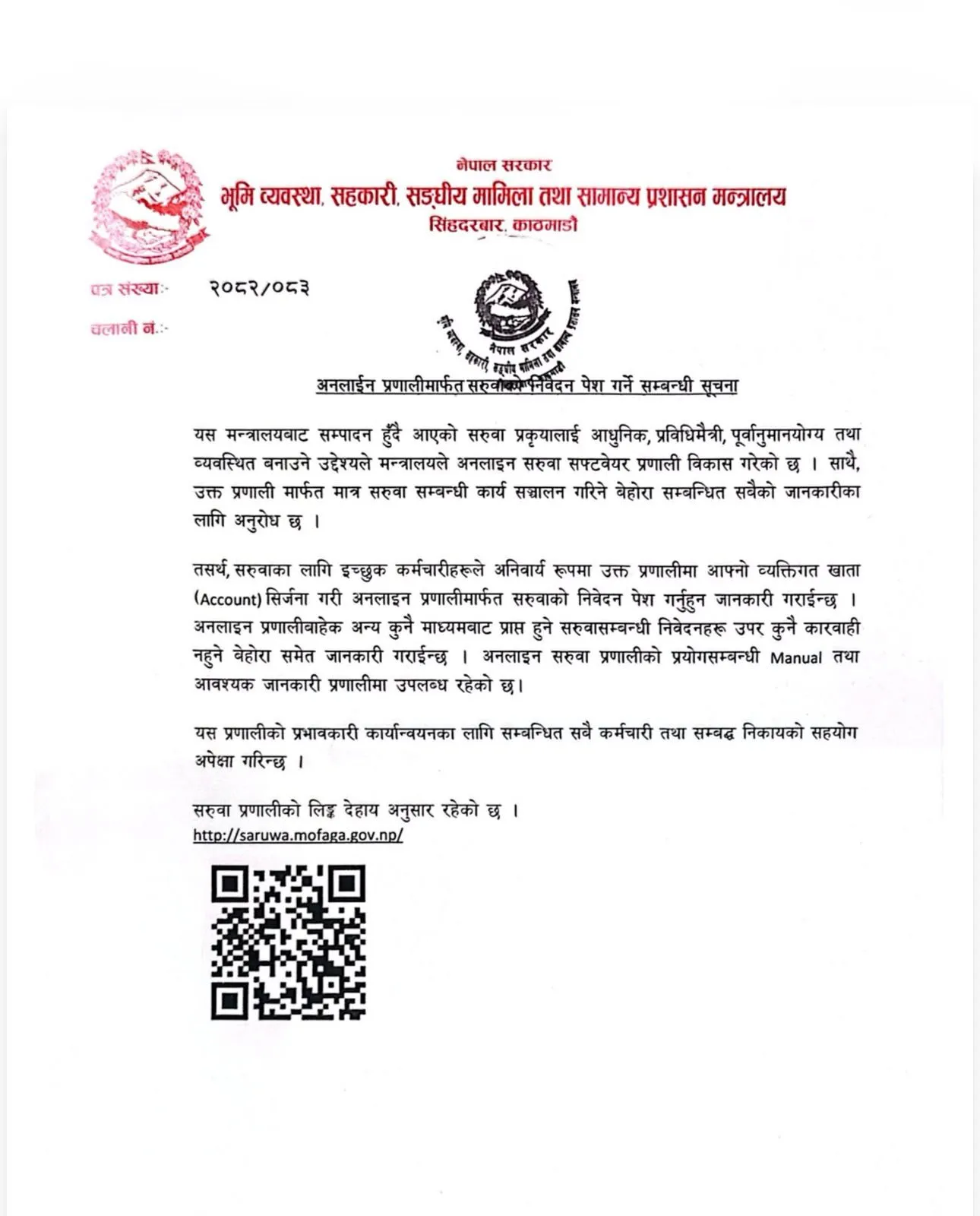


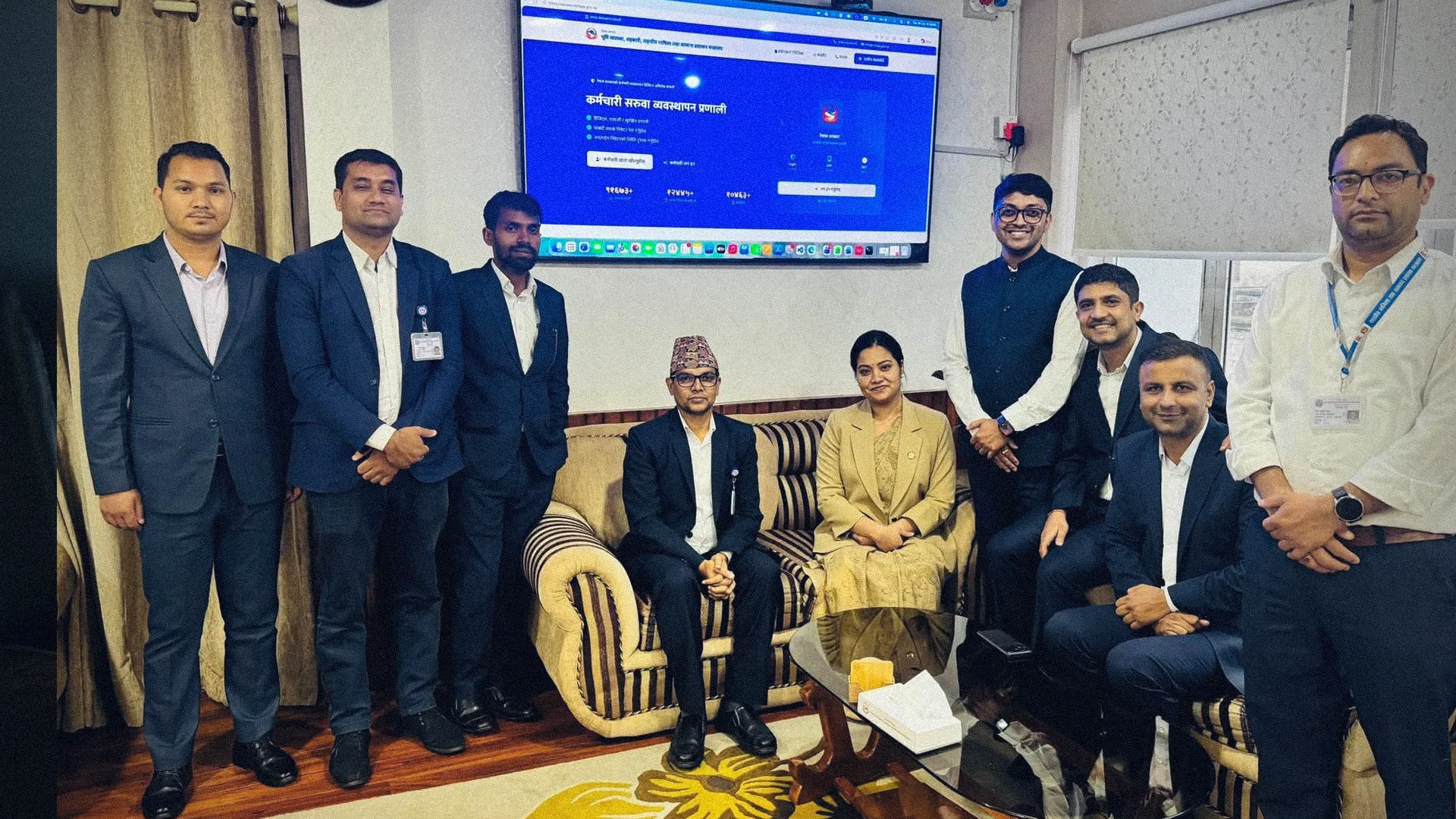
Bureaucratic operations in Nepal are set for a major transparency upgrade as the government initiates plans to fully digitize the transfer request and decision-making architecture for civil servants. This upcoming transition will eliminate traditional physical filing, shifting everything from initial applications to final official verdicts onto an electronic platform.
As revealed by the Ministry of Land Management, Cooperatives and Federal Affairs, the modern infrastructure will fundamentally alter how human resources are managed. Government staff will have personalized digital profiles, allowing them to submit relocations online and follow their request status through real-time application tracking features.
To maintain strict administrative oversight, a built-in flagging mechanism will automatically scan submissions. This specialized module is designed to immediately pinpoint duplicate requests, flag cases that demand closer institutional evaluation, or highlight specific files requiring supplementary verification before approvals are granted.
Furthermore, the operational architecture will automatically generate formal transfer letters once decisions are finalized. The system is also designed to smoothly connect with external institutional platforms via applications, ensuring hassle-free data sharing and communication between different state entities whenever required.

Interested in this ad?
Would you like to continue to the link or provide your information for more details?
Please provide your information
To continue, please fill in your details
In an effort to curb bureaucratic delays and promote open governance, all final deployment assessments and official records will be published automatically on the ministry's public website within a strict twenty-four-hour window from the moment of execution.
Speaking on the initiative, Minister Pratibha Rawal highlighted that this technological modernization directly supports state directives aimed at creating a more responsible and tech-centric administrative apparatus. She expressed confidence that the system will significantly curtail operational backlogs while providing staff members with a highly dependable and trustworthy service experience.
This shift toward an end-to-end electronic mechanism marks an important step in state governance, establishing a data-driven model that will likely shape broader public service reforms and institutional accountability metrics moving forward.