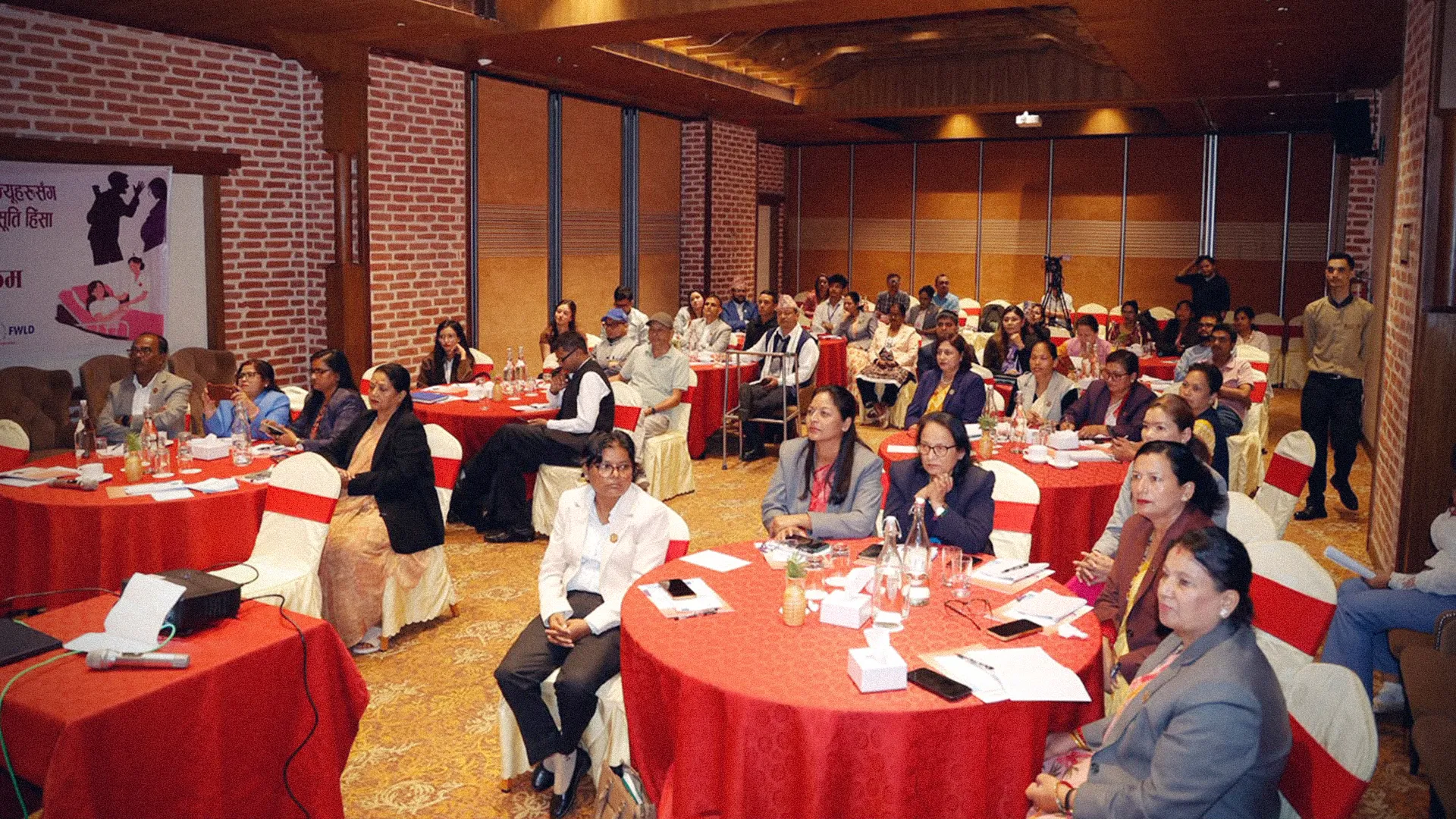


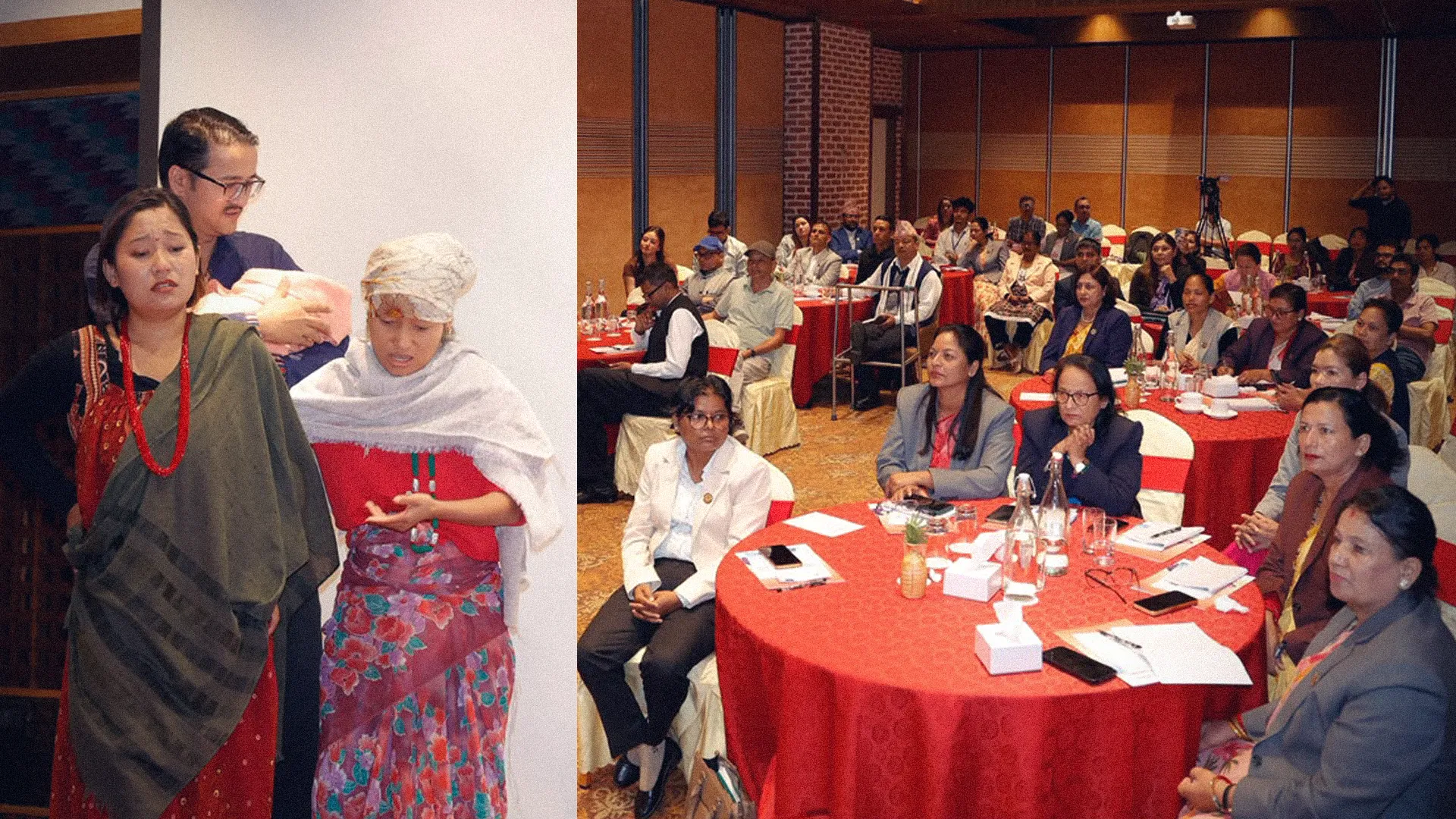
Members of the House of Representatives in Kathmandu on Monday urged the government to expedite the classification of obstetric violence as a punishable offense to ensure respectful maternity care across the country. Speaking at a discussion organized by the Forum for Women, Law and Development (FWLD) on the necessity of legislation regarding respectful maternity services and addressing obstetric violence, parliamentarians stressed that immediate legislative amendments are required to safeguard maternal rights.
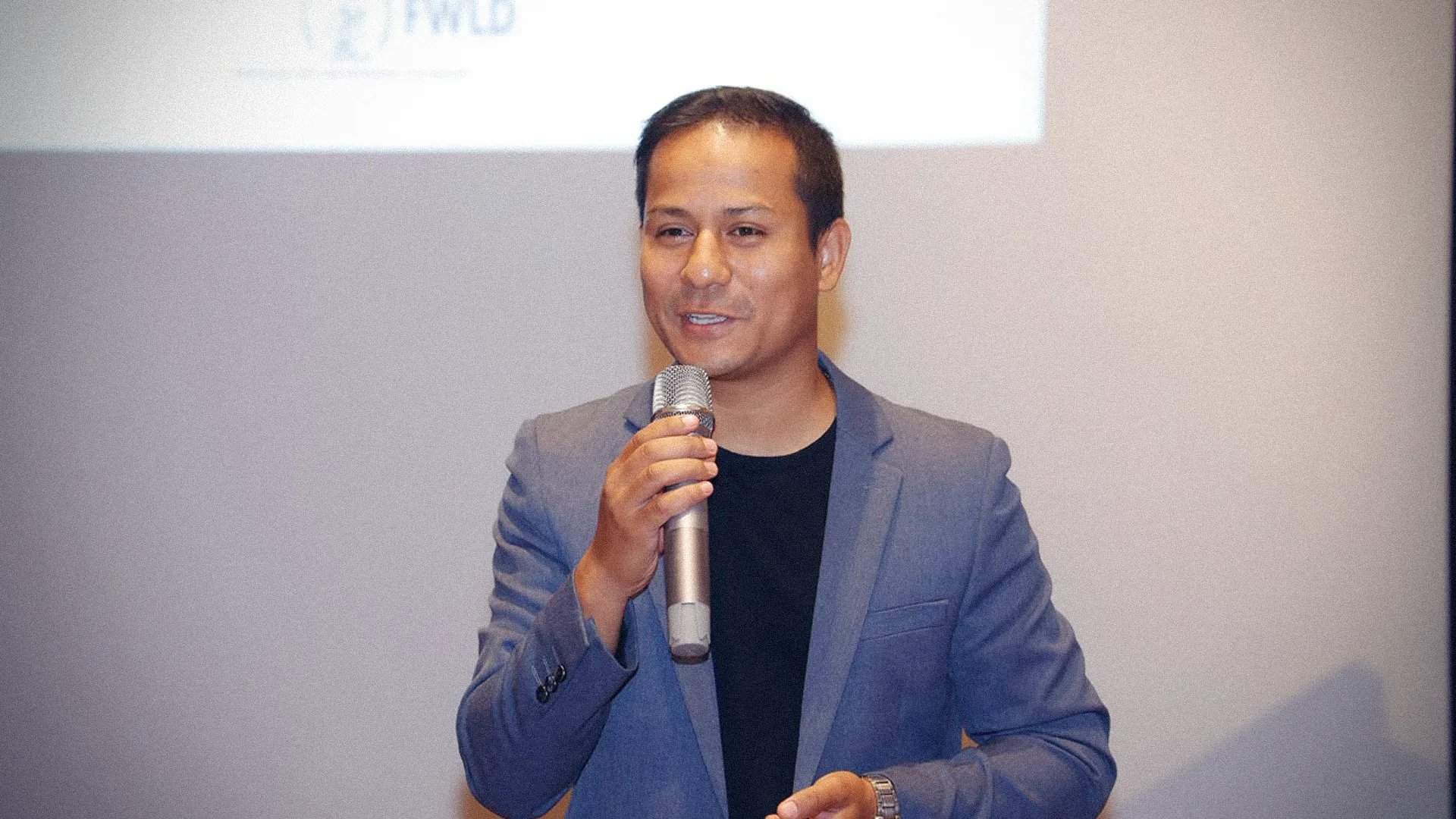
During the session, FWLD Advocate Dipesh Shrestha presented a paper outlining the dimensions of respectful maternity care, emphasizing that birth services must be sensitive, informed, and free from coercion or abuse. Referring to international human rights obligations, Shrestha highlighted eight core principles established by the White Ribbon Alliance and called for amending Section 6(2) of the Safe Motherhood and Reproductive Health Rights Act 2075. He underscored the need to establish clear compensation mechanisms and mandate non-discriminatory healthcare practices in hospitals. To illustrate these prevailing challenges in Nepali society, artists from the Brijpani Art Theatre Group performed a realistic drama depicting obstetric abuse.
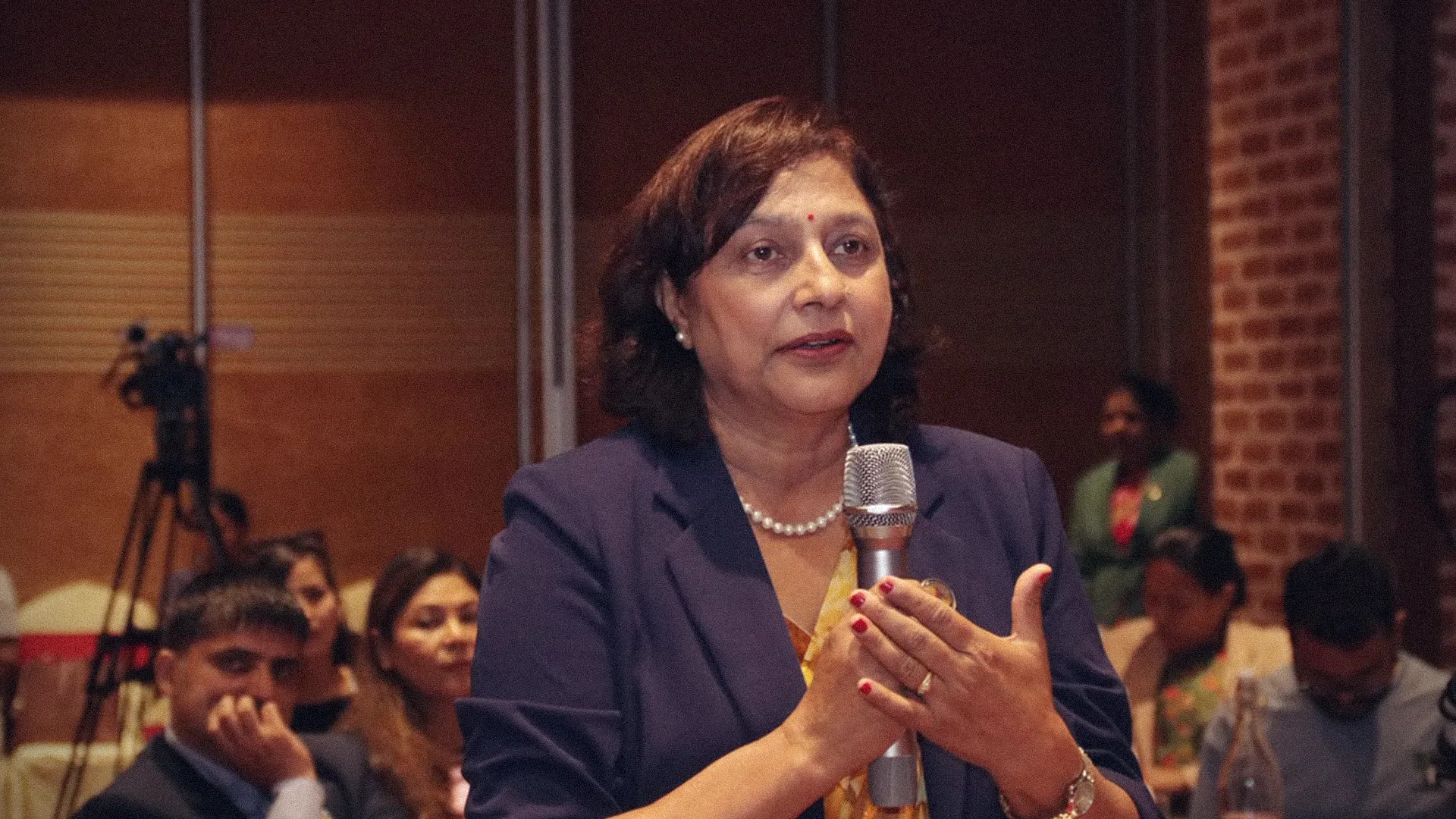
Parliamentarians expressed varied perspectives on addressing healthcare behavior and systemic gaps. MP Balawati Sharma and MP Eliza Gurung emphasized creating strict laws to curb negligence during labor pain, while MP Lalita Kumari cautioned against demoralizing healthcare professionals, stating that disparaging doctors and nurses does not benefit society. Highlighting regional disparities, MP Radhika Ramtel described the alarming state of obstetric treatment in Karnali, noting that respectful maternity care remains beyond imagination in remote areas like Kalikot due to provider behavior.

Interested in this ad?
Would you like to continue to the link or provide your information for more details?
Please provide your information
To continue, please fill in your details
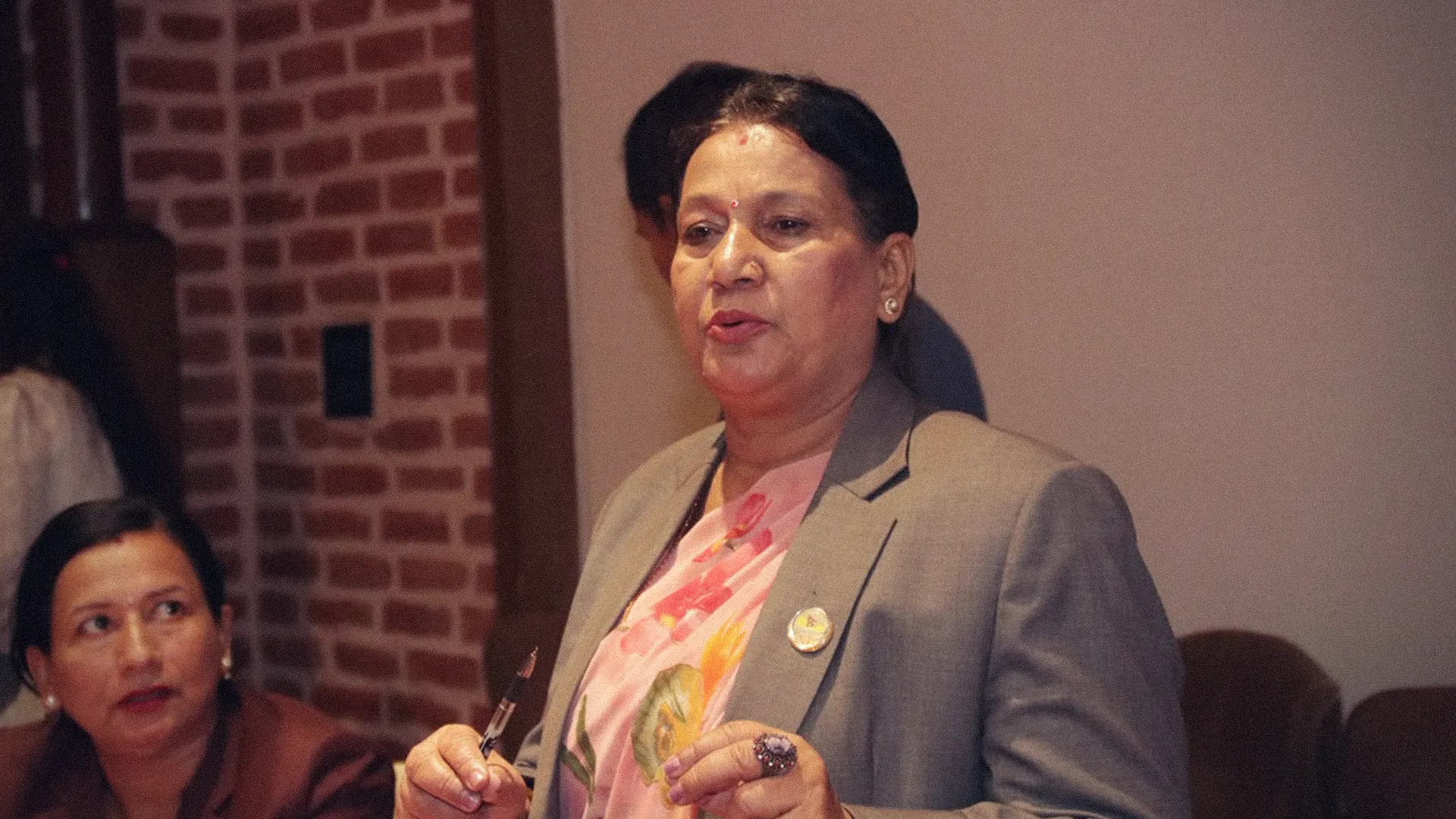
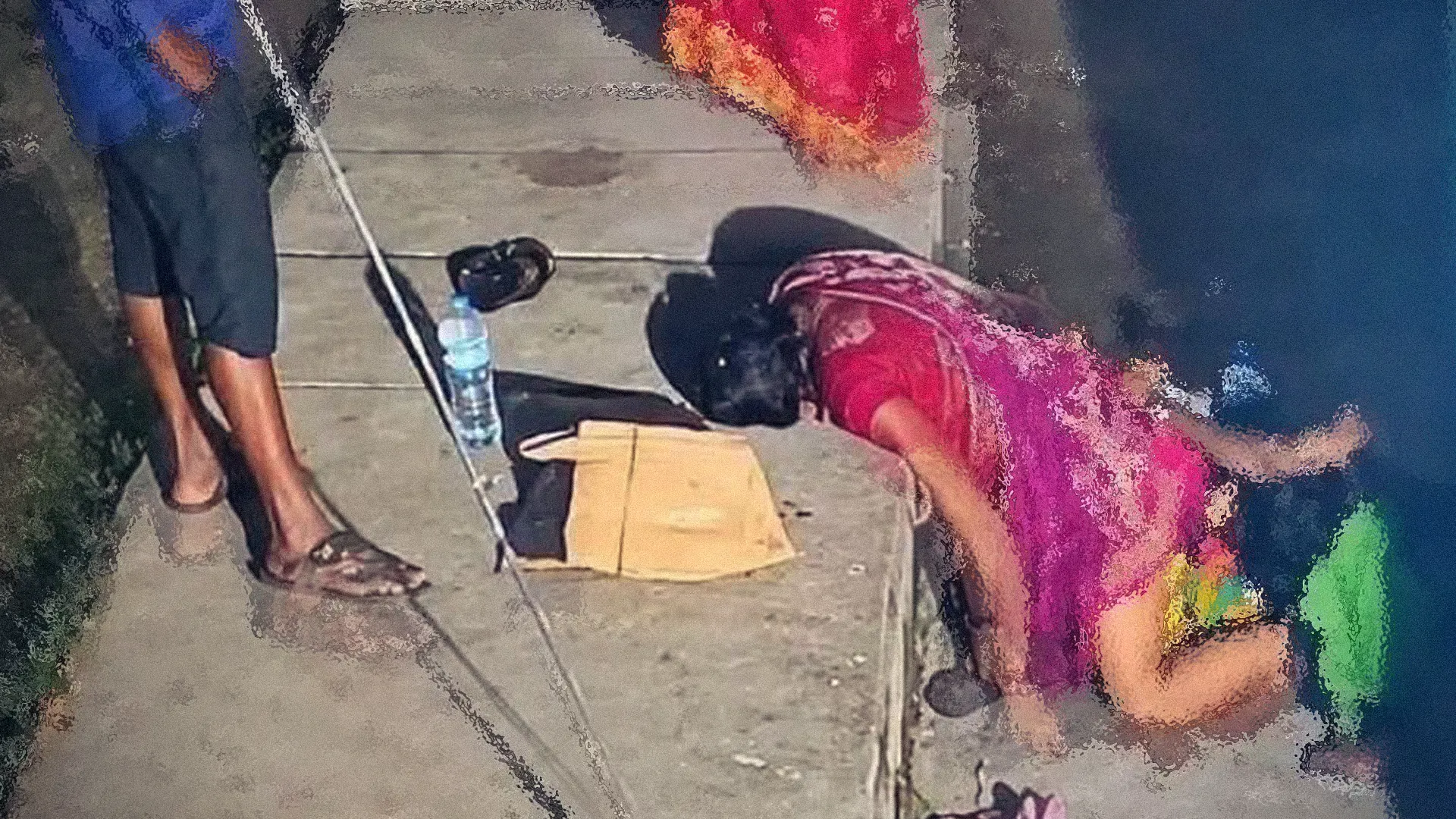
Other lawmakers focused on societal consciousness, family support, and legal frameworks. MP Sushila Dhakal Acharya, MP Achyutam Lamichhane, and MP Parbati BK stressed the importance of family intimacy, education, and social awareness to reduce gender-based and domestic violence. MP Hari Bhusal noted that hospital practices remain inadequate despite societal shifts, rendering discussions useful while legal drafts are underway. MP Ambika Devi Sangroula cited the Babita Paswan incident in Saptari as a warning to prevent recurring abuses, and MP Ranju Darshana shared a personal account emphasizing that family support, mental health, and partner involvement are vital for dignified childbirth.
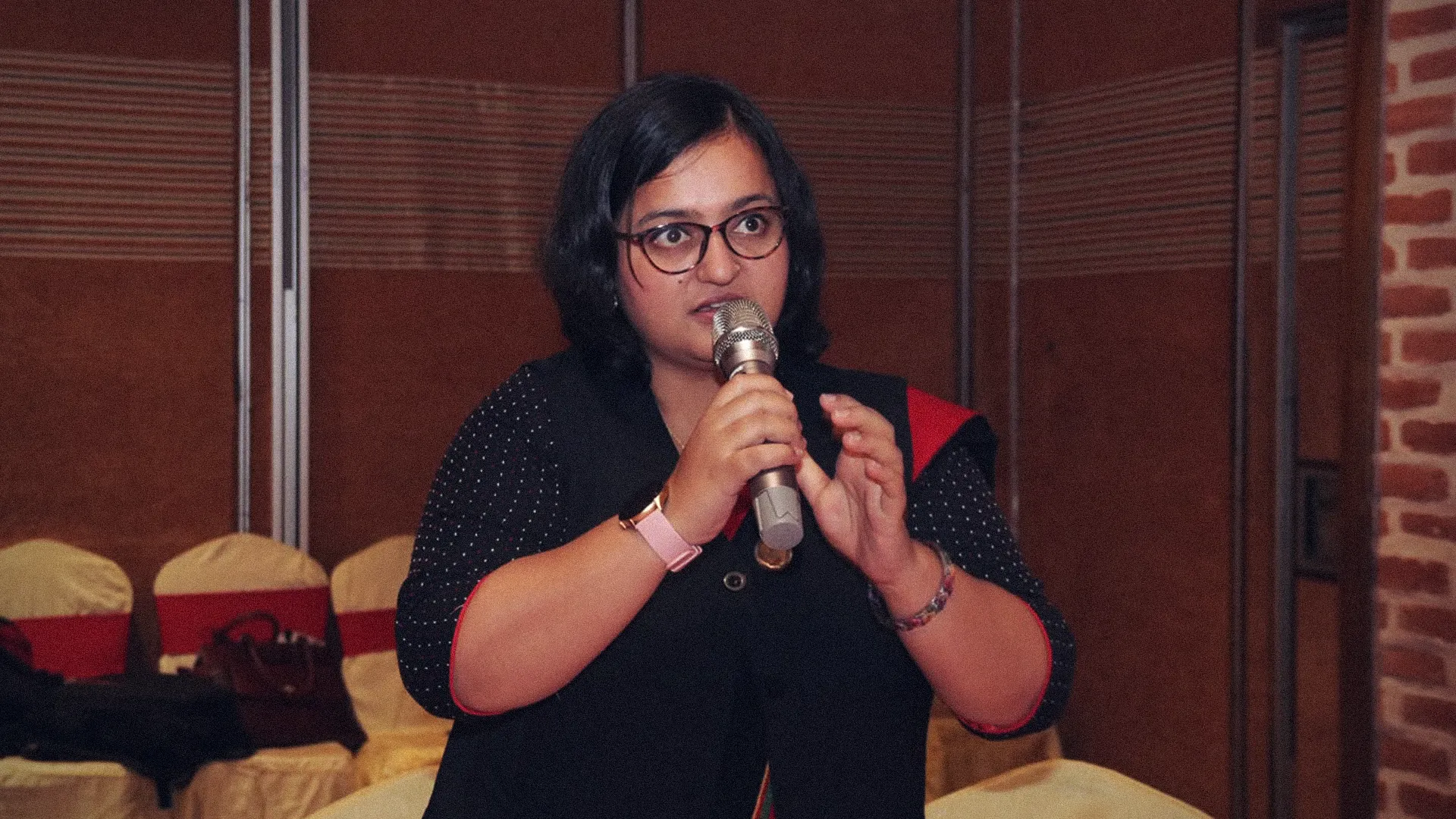
The interaction concluded under the chair of senior advocate Gita Aryal, President of FWLD, with program facilitation by Advocate Didiksha Singh, setting a forward-looking tone for forthcoming policy updates. Broad consensus among legislative representatives suggests that combining legal reforms with social awareness and health sector accountability will be crucial for guaranteeing safe and dignified motherhood in Nepal.