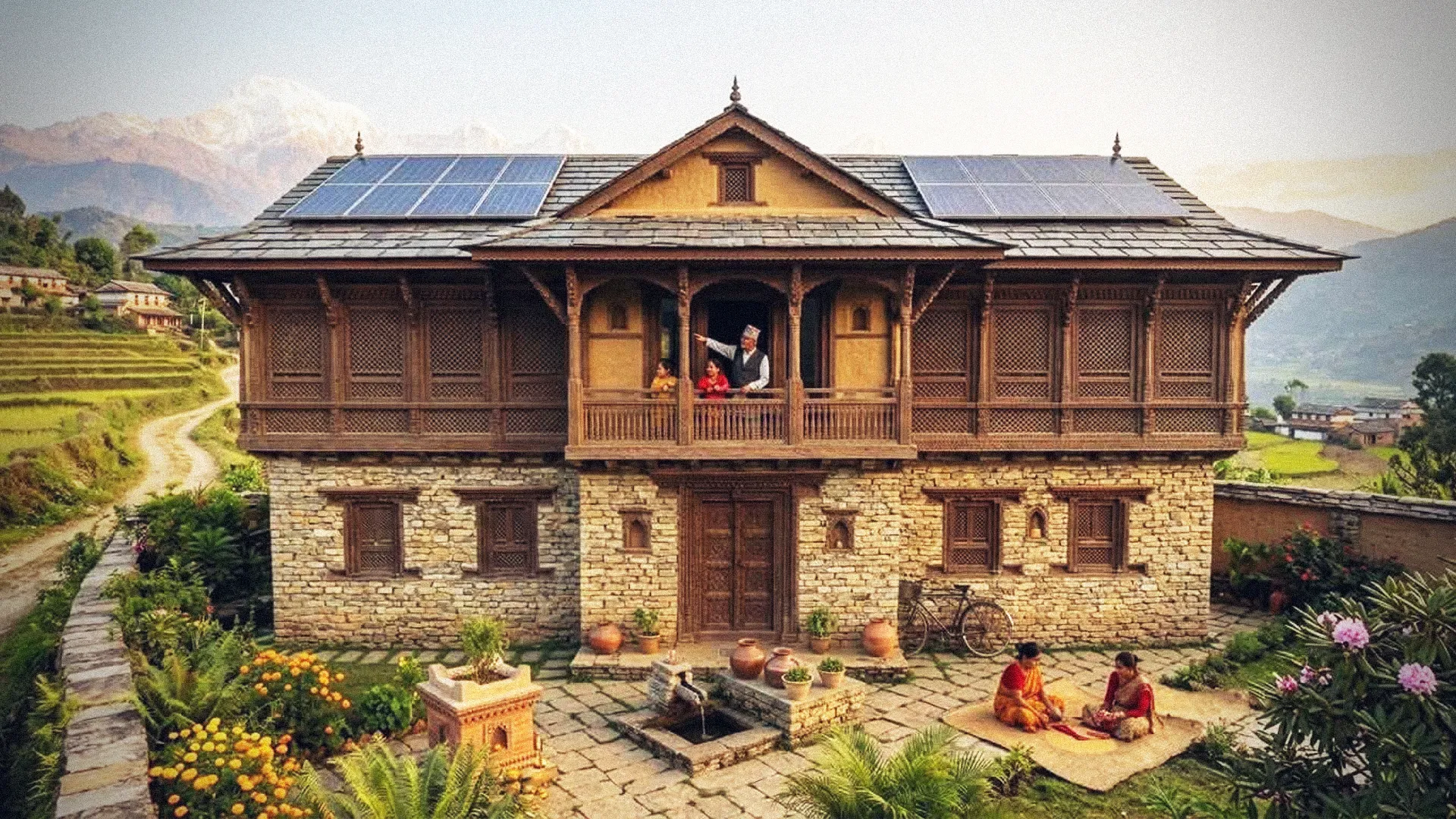


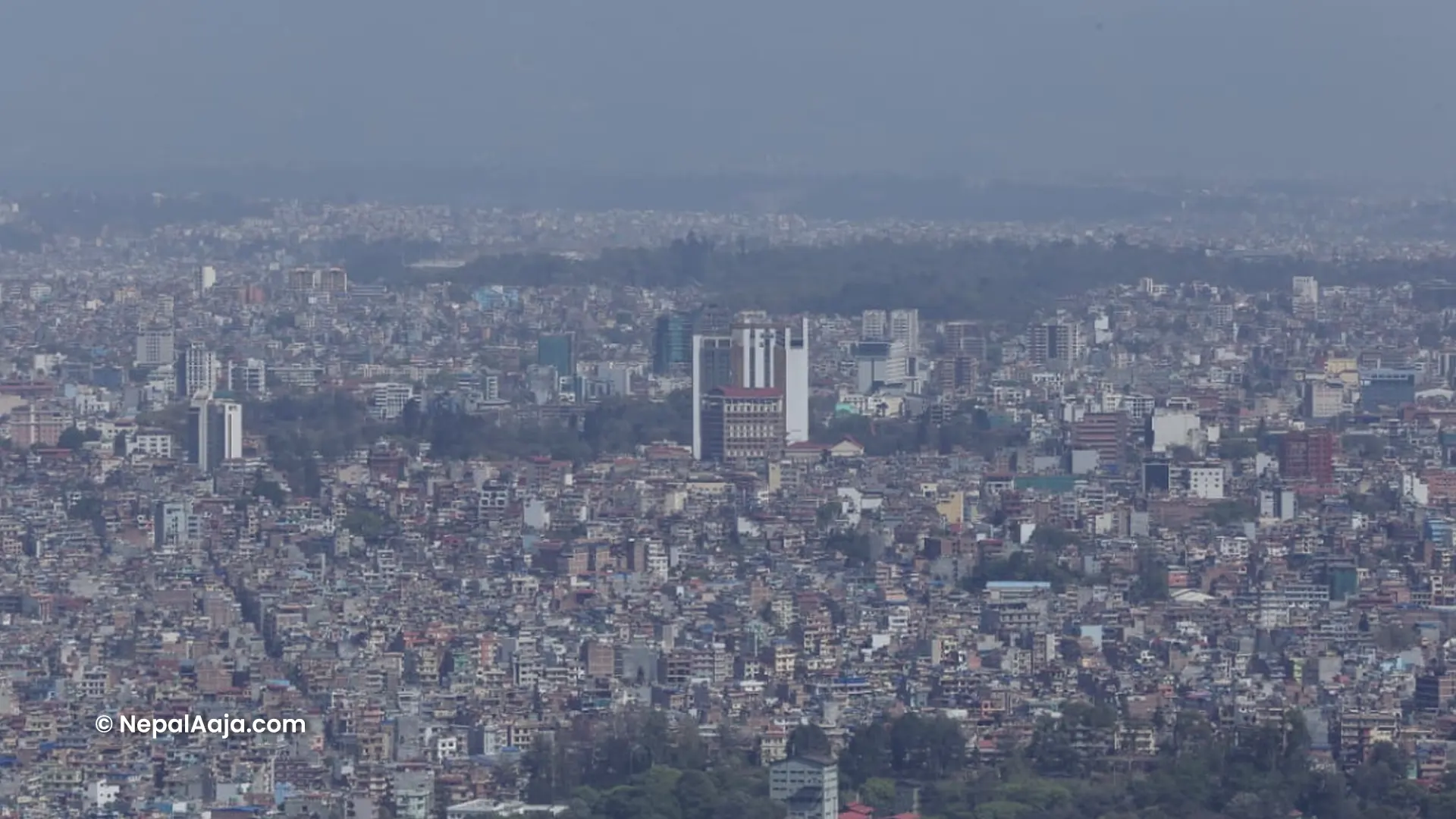
The relentless rainfall that swept through Kathmandu Valley last Friday and Saturday has orchestrated a dramatic environmental transformation, effectively scrubbing the atmosphere of long-standing pollutants. As the heavy clouds parted, they left behind a crystalline blue sky and a level of visibility that has turned the urban sprawl into a scenic gallery. From one end of the valley to the other, the previously obscured outlines of distant homes and rolling hills are now etched sharply against the horizon, punctuated by drifting white clouds.
This meteorological shift has unveiled the northern Himalayan ranges, which now stand out vividly from the valley's higher vantage points. The precipitation acted as a "natural air purifier," forcing suspended dust particles to the ground and significantly enhancing clarity. Iconic landmarks, including monasteries and temples perched upon the surrounding ridges of Nagarjun and Swayambhu, have emerged with renewed vibrance against the azure backdrop, signaling a seasonal transition that feels both refreshing and revitalizing.

Interested in this ad?
Would you like to continue to the link or provide your information for more details?
Please provide your information
To continue, please fill in your details
Beyond the aesthetic appeal, the impact on public health and daily life is substantial. Residents of a city often grappling with hazardous air quality are now breathing significantly cleaner air. For commuters and pedestrians, the washed streets offer a reprieve from the stifling dust and smog that typically define the transition from winter to spring. The rain has also provided a vital lifeline to local flora; parched trees are beginning to show signs of new growth, and the overall landscape has shed its gray, dusty mantle for a lush, green coat.
The weekend's downpour has shifted the local mood from gloom to enthusiasm, with many taking to the hillsides to capture the rare, unobstructed views of the valley’s natural beauty. While the rain initially disrupted schedules, its lasting legacy is a rejuvenated environment that serves as a reminder of the capital's hidden ecological charm.