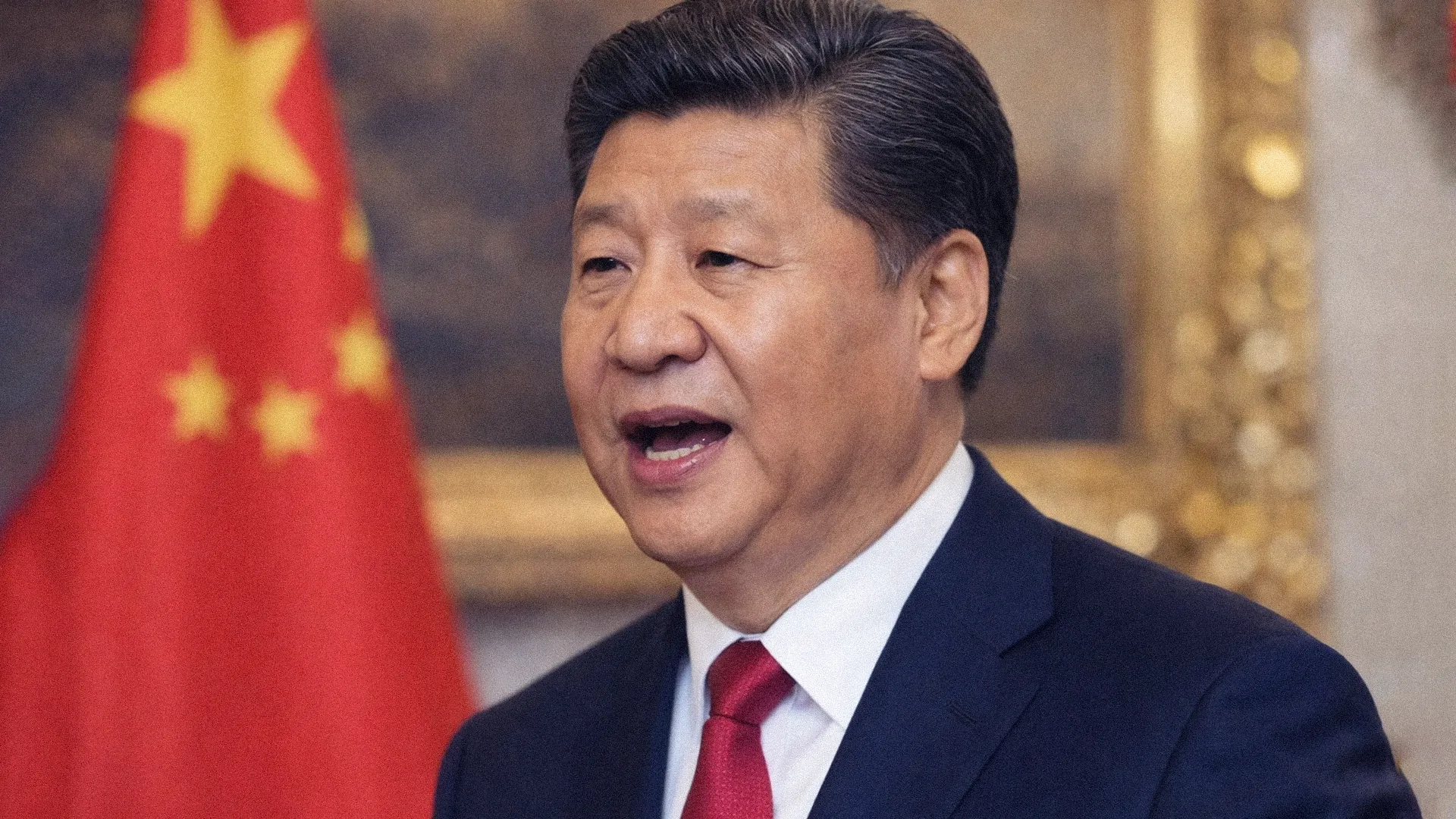


Kathmandu, Ashar 17. At a time when the global balance of power is changing rapidly, international strategic analysts have portrayed India as the only major democratic power capable of engaging in long-term competition with China.
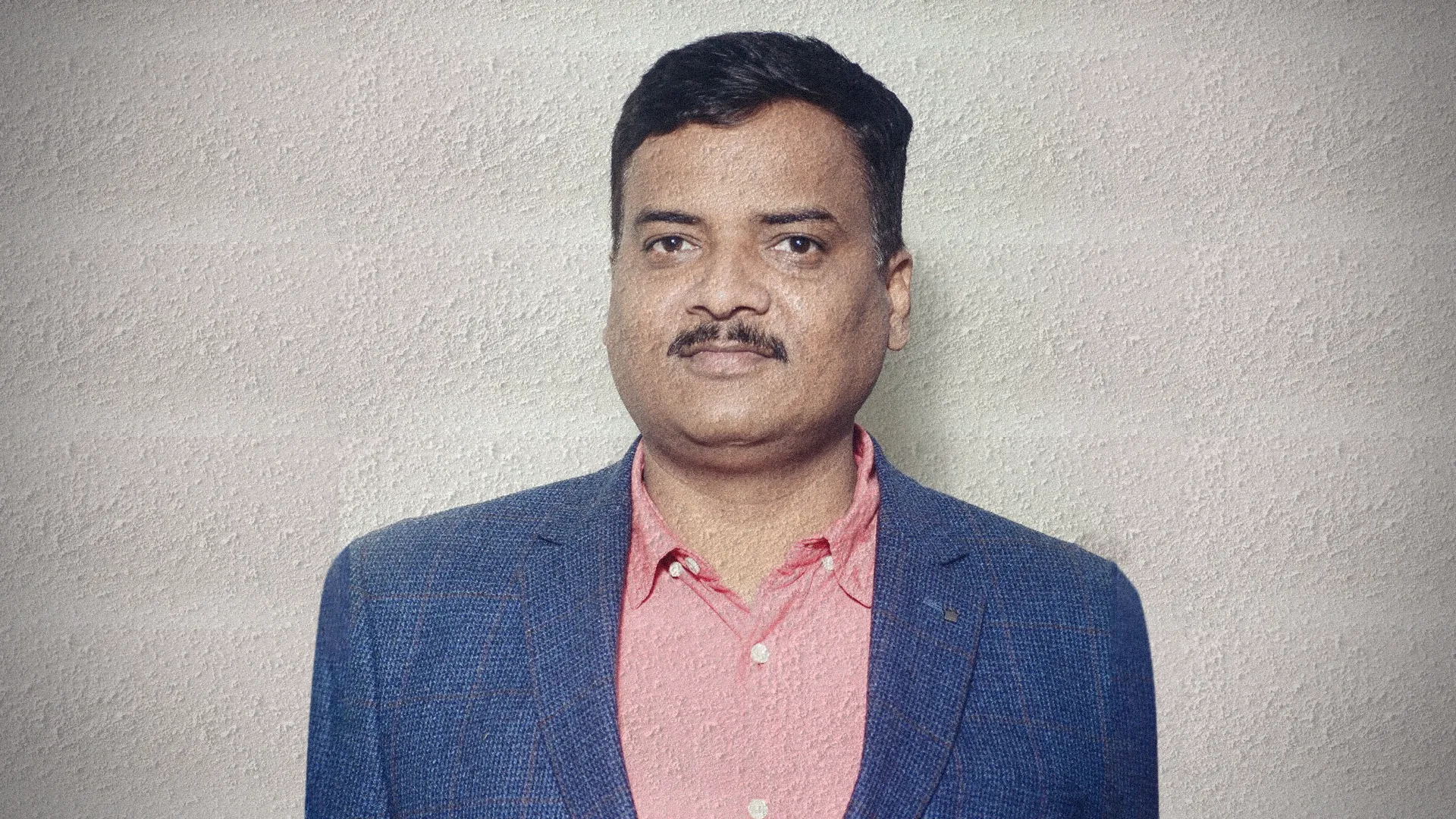
According to geopolitical analyst Alex Hellberg, India's rapid economic growth, massive youth population, democratic system of governance, swift technological advancement, and strategic partnerships have laid the foundation to make it even more influential as a global power in the coming decades.
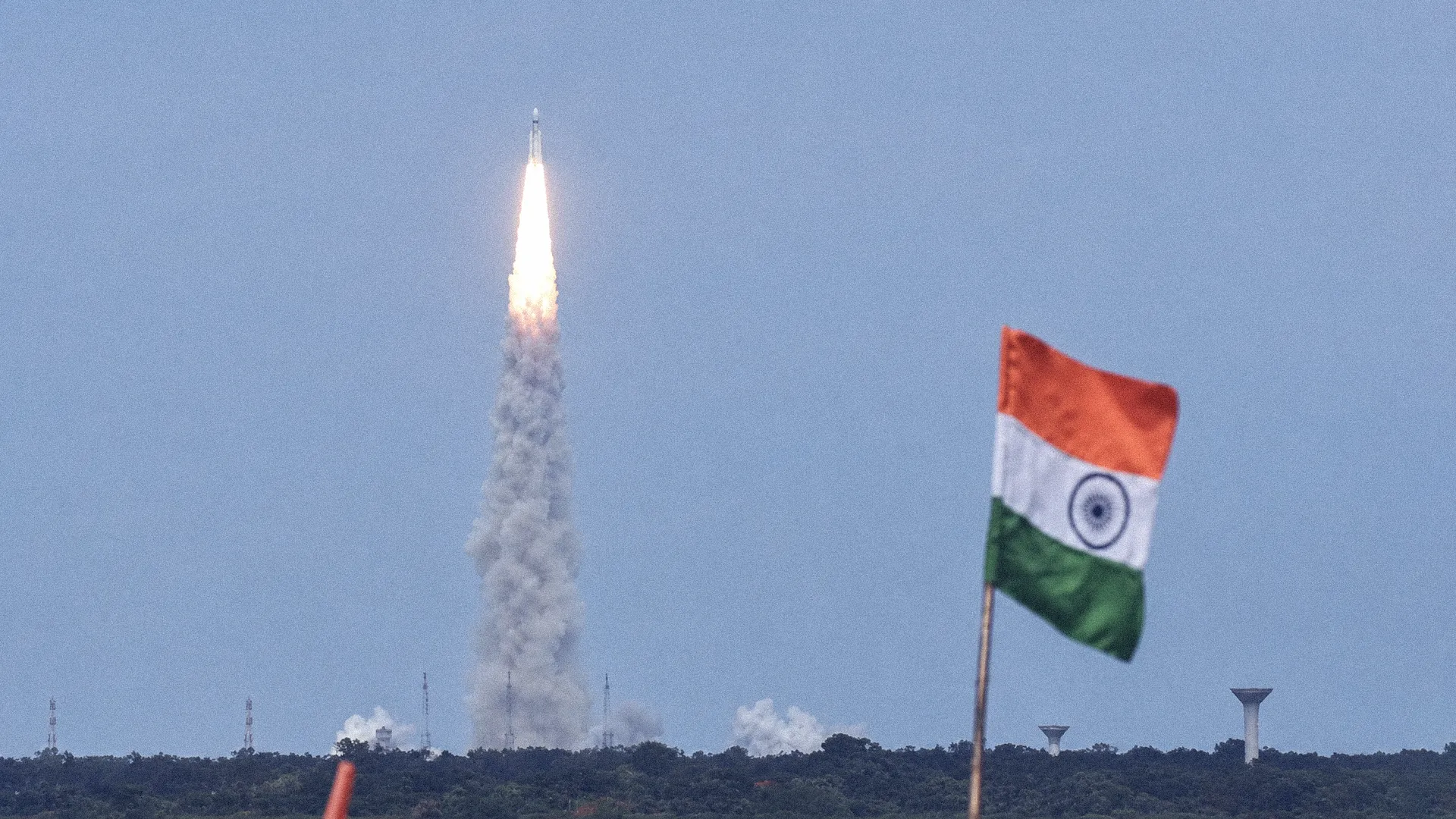
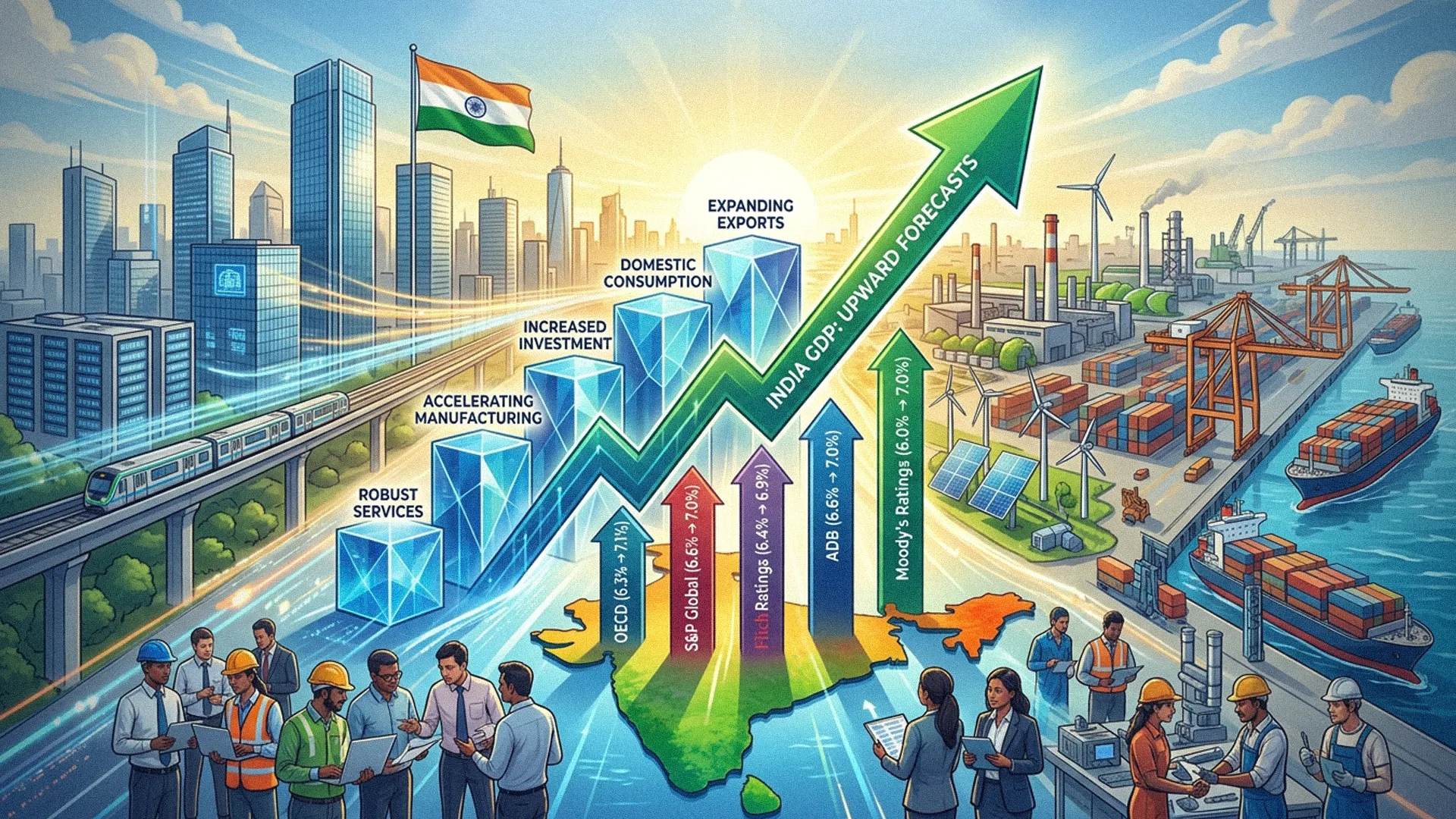
According to analysts, India is making remarkable progress in sectors such as manufacturing, the digital economy, artificial intelligence (AI), the defense industry, and semiconductors. In recent years, the world's leading technology companies have been investing billions of dollars in India, which has further enhanced India's strategic and economic importance.

Interested in this ad?
Would you like to continue to the link or provide your information for more details?
Please provide your information
To continue, please fill in your details
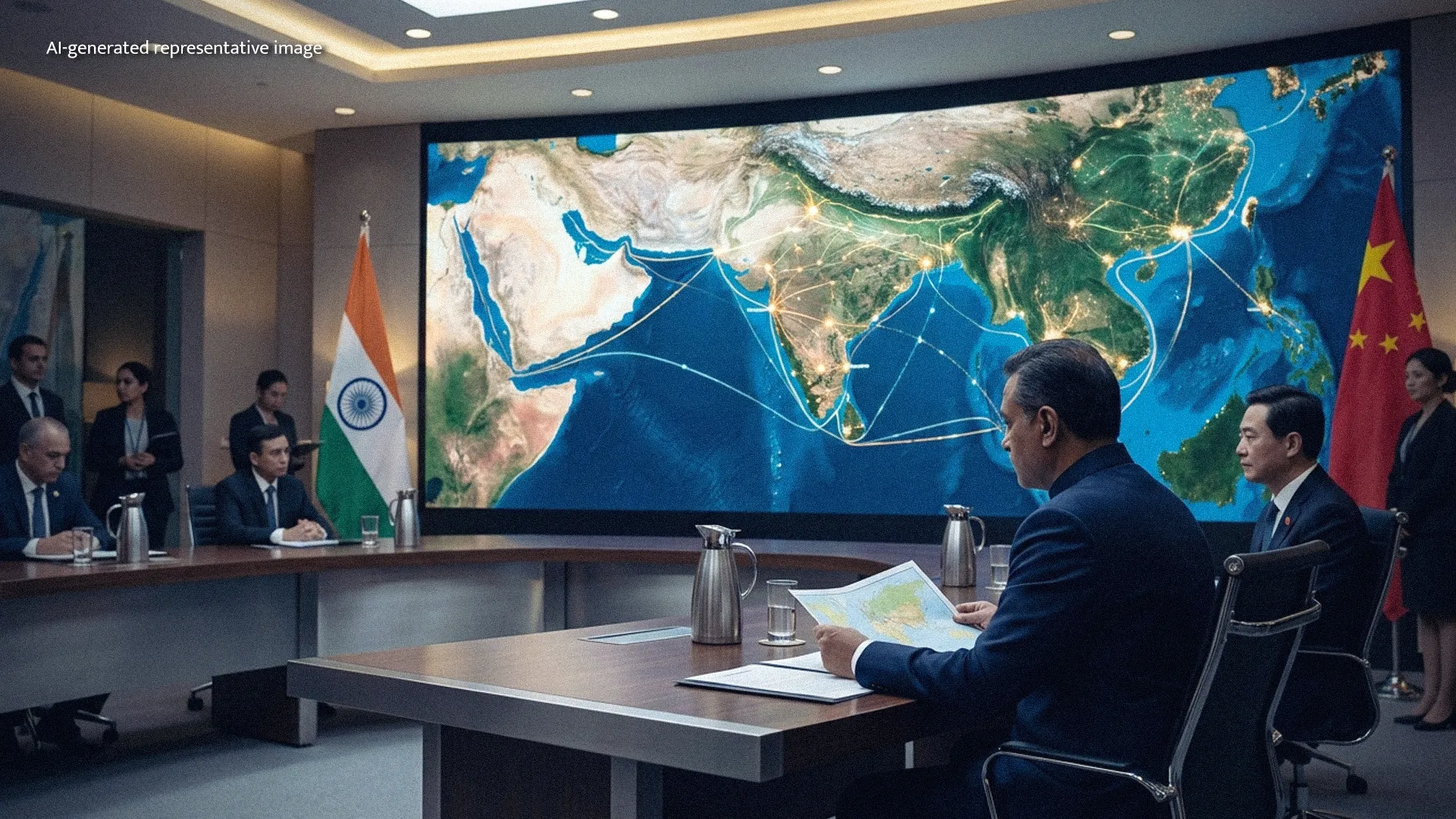
Analysts also suggest that India's active role in the Indo-Pacific region, its cooperation with countries including the United States, Japan, France, and Australia, and its emerging image as a reliable partner have expanded its international influence.
According to experts, India's economic capacity, technological development, and diplomatic activism are expected to play a crucial role in the global balance of power in the coming decade. For this reason, India is being recognized as one of the major emerging global powers of the 21st century.