

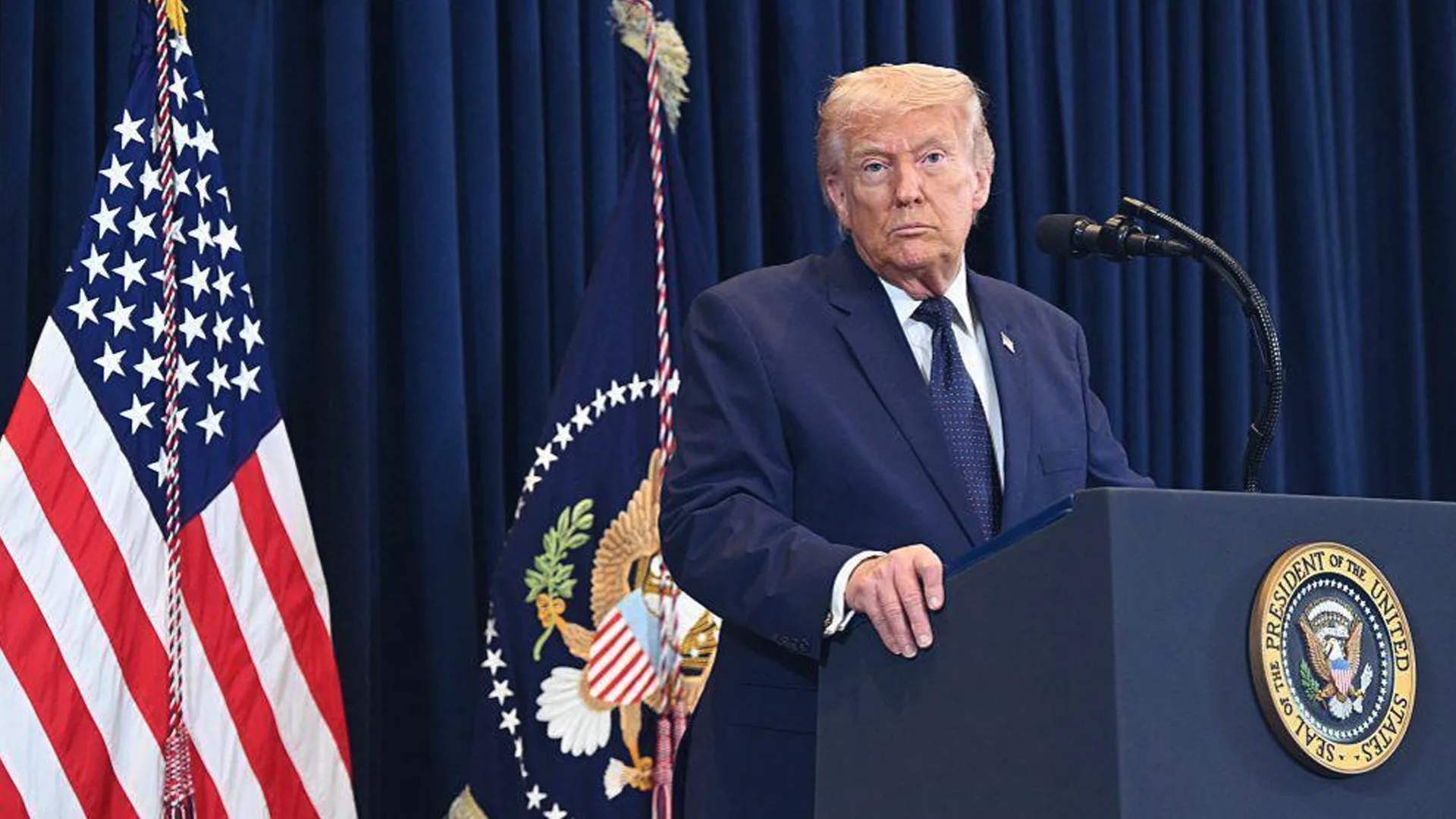
The emerging connection between President Donald Trump and Pakistan’s Chief of Army Staff, General Asim Munir, is being viewed by experts as a high-stakes strategic maneuver rather than a routine diplomatic interaction. This partnership appears to be a calculated response to the volatile shifts in Middle Eastern politics, particularly the escalating frictions surrounding Iran.
As Washington reassesses its regional priorities, Islamabad is positioning itself as an indispensable mediator and a pivot for regional stability. This renewed relevance has paved the way for a deeper engagement between Trump and Munir, driven by mutual strategic necessity. However, the path forward remains shadowed by a historical legacy of skepticism and the complicated "double game" narratives that have long plagued bilateral ties.

Interested in this ad?
Would you like to continue to the link or provide your information for more details?
Please provide your information
To continue, please fill in your details
Internally, this alignment is expected to bolster the influence of Pakistan’s military establishment. Observers note that such a development could potentially overshadow the country's civilian governance, raising questions about the future of its democratic equilibrium. Furthermore, the ripple effects of this military-centric diplomacy are likely to be felt across the borders of India, Afghanistan, and Iran, potentially redrawing the map of South Asian power dynamics.
Ultimately, the synergy between these two figures suggests a broader geopolitical reconfiguration. The long-term implications of this bond will likely dictate the tenor of international relations and regional security in the coming years.