

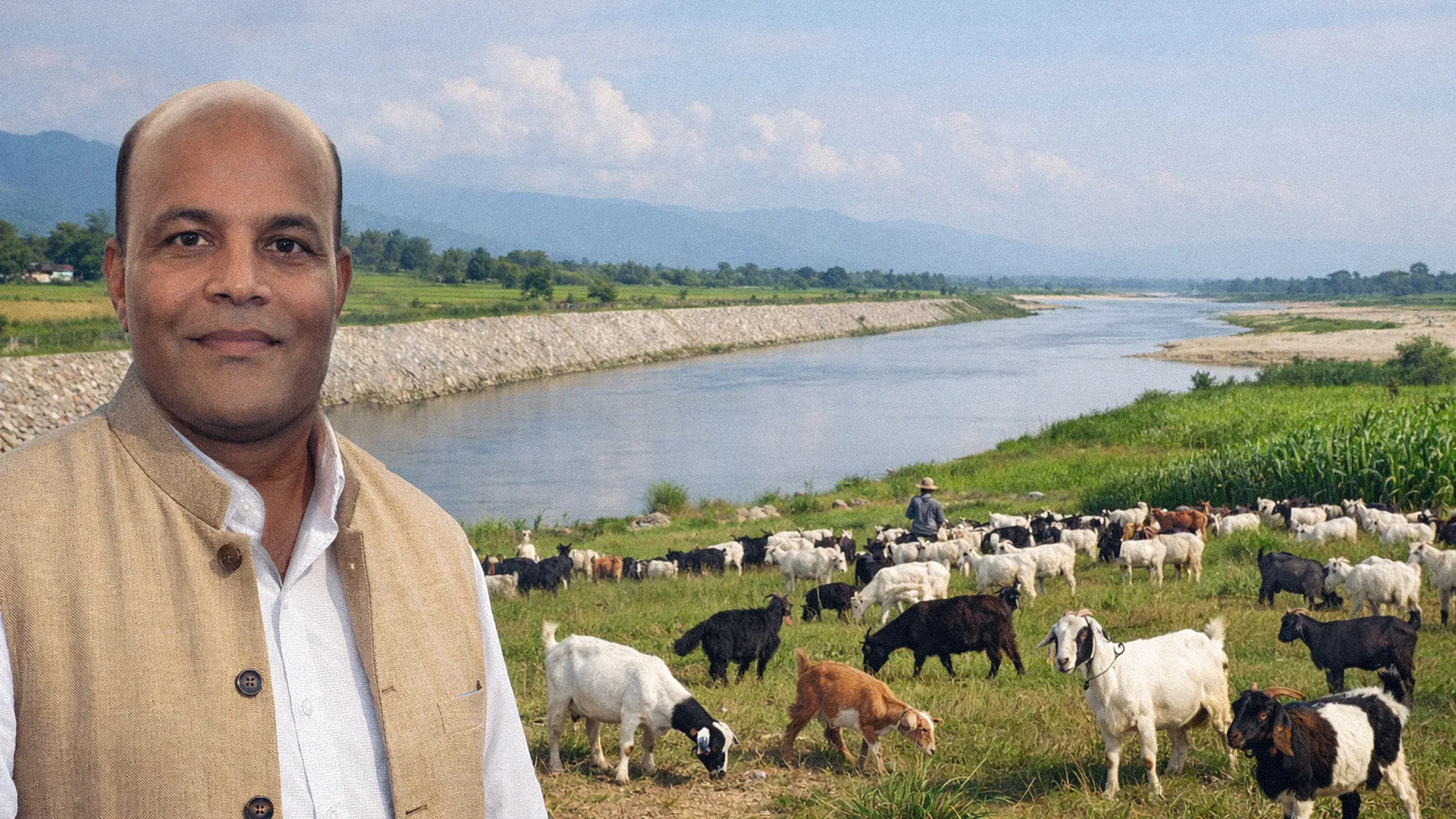
Recent feasibility studies confirm that Sarlahi Election Constituency No. 4—the area where Amaresh Kumar Singh recently won election to the House of Representatives—stands on the brink of an agricultural revolution. Geographically positioned east of the Bagmati River, the region possesses vast tracts of open riverbank land, optimal temperatures, and abundant water resources.
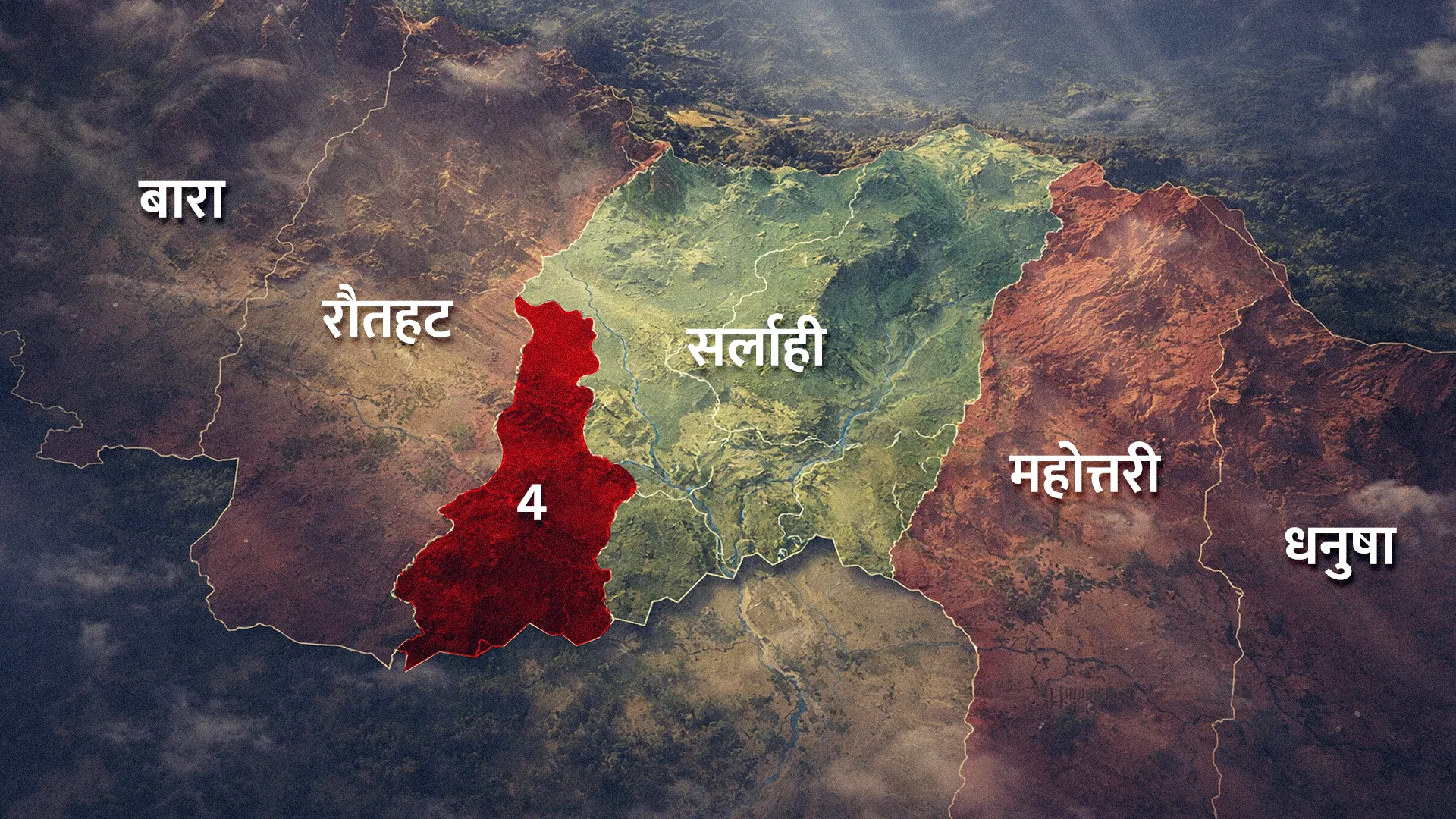
Researchers indicate that controlling the Bagmati River's annual flooding will directly transform these underutilized riverbanks into high-yield agricultural zones. The study highlights commercial goat farming as the most lucrative venture for this specific terrain. Goats thrive in the local climate, and the expansive open land provides an ideal environment for grazing and fodder production.

Interested in this ad?
Would you like to continue to the link or provide your information for more details?
Please provide your information
To continue, please fill in your details
Downstream, the Bagmati River already sustains a major drinking water project in India, demonstrating the immense volume and reliability of this continuous water source. By implementing robust river training and flood control mechanisms on the Nepal side, Sarlahi can secure its arable land from severe erosion.
Agricultural economists project that integrating river management with commercial livestock rearing will dramatically boost local incomes. Active riverbank utilization for goat farming will create thousands of jobs, ensure long-term food security, and establish Sarlahi as a major livestock exporter in the region. Local authorities and agricultural investors are now pushing to expedite river embankment projects to unlock this immense economic potential.